

︎

Threads in Time
– From the National Tapestries to the Royal Tapestry
The Paris World’s Fair opened in an atmosphere of buoyant optimism in the spring of 1900. Europe stood on the threshold of a new century, and people were filled with enthusiasm and anticipation about the potential of new technology. Electric lights had already begun to illuminate city streets, railways were connecting cities more closely, and the telephone was revolutionising communication. Europe’s technological, scientific, and cultural achievements were proudly presented to the Fair’s visitors, and the future seemed boundlessly bright. A new type of modernity was emerging alongside this technological optimism. As a counterbalance to the harsh conditions of industrialised life, people turned their attention inward—towards the human psyche, the organic, and the intimate world of the home. This shift is expressed in one of the highlights of the Fair: tapestry. Many artists returned to a craft tradition with deep historical roots that drew inspiration from the Middle Ages as well as from ancient legends and folktales.
The renewed interest in weaving at the turn of the previous century is closely linked to the English Arts and Crafts movement. William Morris, one of its founders, idealised medieval aesthetics and production methods as a counterweight to industrial mass production. His ideas resonated strongly in Norway, where the Middle Ages were regarded as a national golden age—a time when the country was an independent kingdom with significant political power and a rich cultural heritage. Leading this artistic renewal were figures such as Frida Hansen and Gerhard Munthe, who established textile art as a key vehicle for expressing national identity and reimagining the aesthetics of the Norwegian Middle Ages, with the addition of international trends and ideas. Together, they exhibited two monumental works at the 1900 World’s Fair—Sigurd and Baldwin and Entry into Myklagard. Celebrated as national treasures, the tapestries were renamed the National Tapestries (Riksteppene) and were later purchased for the Royal Palace.
The exhibition Threads in Time—from the National Tapestries to the Royal Tapestry presents a selection of tapestries from the Royal Collections that spans the period from the renaissance of tapestry weaving in Norway in the 1890s to the years following the Second World War, after peace had been restored. These works—acquired both as gifts and as purchases—primarily hang in the Royal Palace and the Royal Lodge (Kongsseteren). Each tapestry offers a woven narrative of identity, international influence, and royal patronage.
(From the catalogue introduction, written by Sandra Lorentzen.)
Published for the exhibition
Threads in Time—from theNational Tapestries to the Royal Tapestry
Exhibition Location: Queen Sonja Art Stable
13 February to 6 December 2026
The design project includes thr catalogue, promotional material and ads.
The Royal Collections
The Royal Court
© Det kongelige hoff/The Royal Court 2026
ISBN 978-82-8106-048-7
2026
20 x 25 cm
128 pages
Language: Norwegian/English
Curators of the exhibition and editors of the catalogue:
Sandra Lorentzen/Kaja Maria Ranveig Hjort
Texts by:
H.K.H. Kronprinsesse Mette-Marit
Anne Britt Ylvisåker
Sandra Lorentzen
Adine Lexow
Proofreading and translation:
Kjersti Velsand (norsk)
Carol B. Eckmann (engelsk)
Design: Halvor Bodin
Repro: Øivind Möller Bakken/Halvor Bodin
Printer: TS Trykk, Oslo
Bookbinder: Bokbinderiet Johnsen
Typography: Displaay Tobias
Paper: MultiArt Silk, 170 g/m2
Paper, cover: Algro Design Advanced, 350 g/m2
Photography:
Øivind Möller Bakken, De kongelige samlinger and more, credited in the catalogue.
ISBN 978-82-8106-048-7
2026
20 x 25 cm
128 pages
Language: Norwegian/English
Curators of the exhibition and editors of the catalogue:
Sandra Lorentzen/Kaja Maria Ranveig Hjort
Texts by:
H.K.H. Kronprinsesse Mette-Marit
Anne Britt Ylvisåker
Sandra Lorentzen
Adine Lexow
Proofreading and translation:
Kjersti Velsand (norsk)
Carol B. Eckmann (engelsk)
Design: Halvor Bodin
Repro: Øivind Möller Bakken/Halvor Bodin
Printer: TS Trykk, Oslo
Bookbinder: Bokbinderiet Johnsen
Typography: Displaay Tobias
Paper: MultiArt Silk, 170 g/m2
Paper, cover: Algro Design Advanced, 350 g/m2
Photography:
Øivind Möller Bakken, De kongelige samlinger and more, credited in the catalogue.



At the King’s Table
– From dinner services to contemporary ceramics
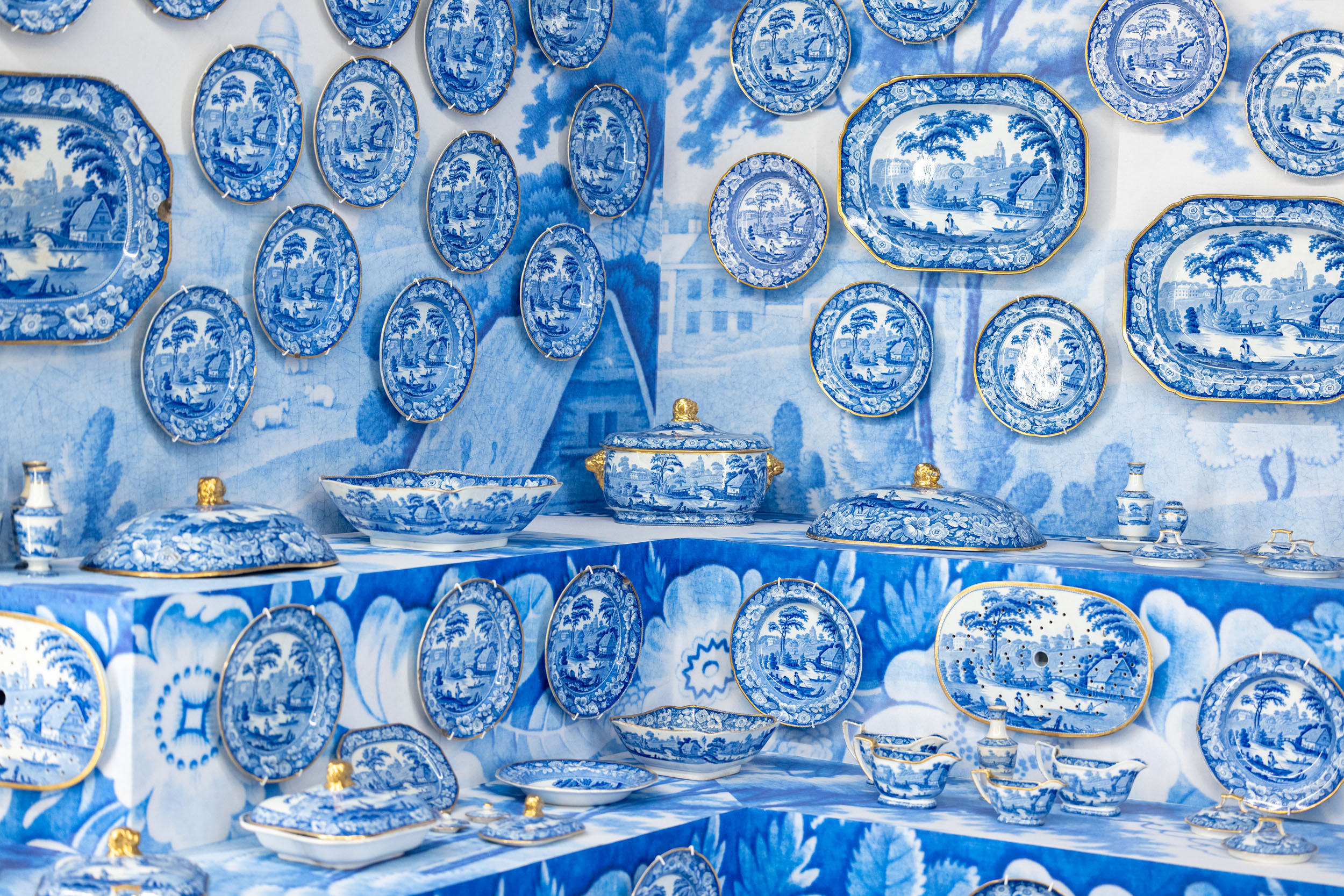
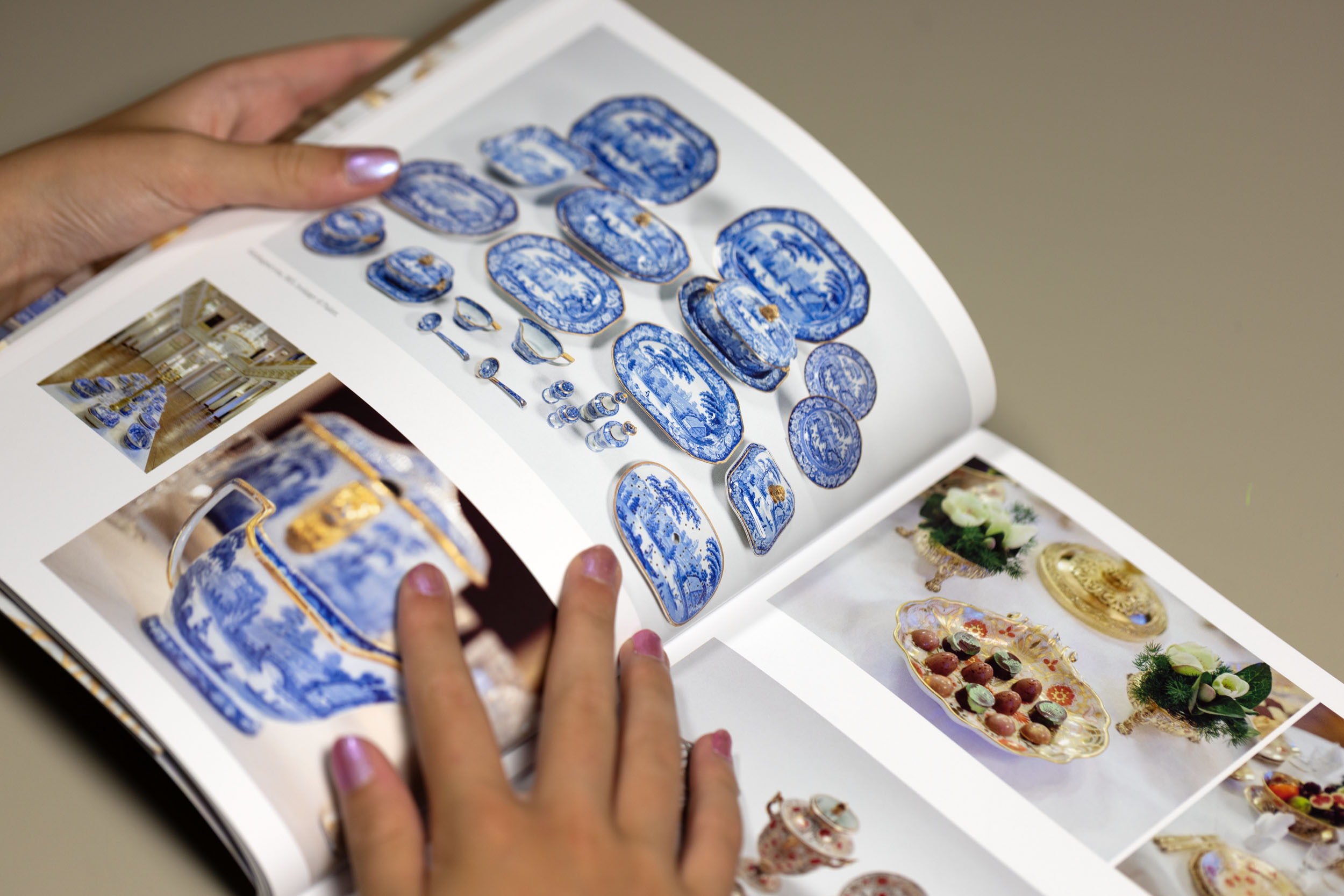
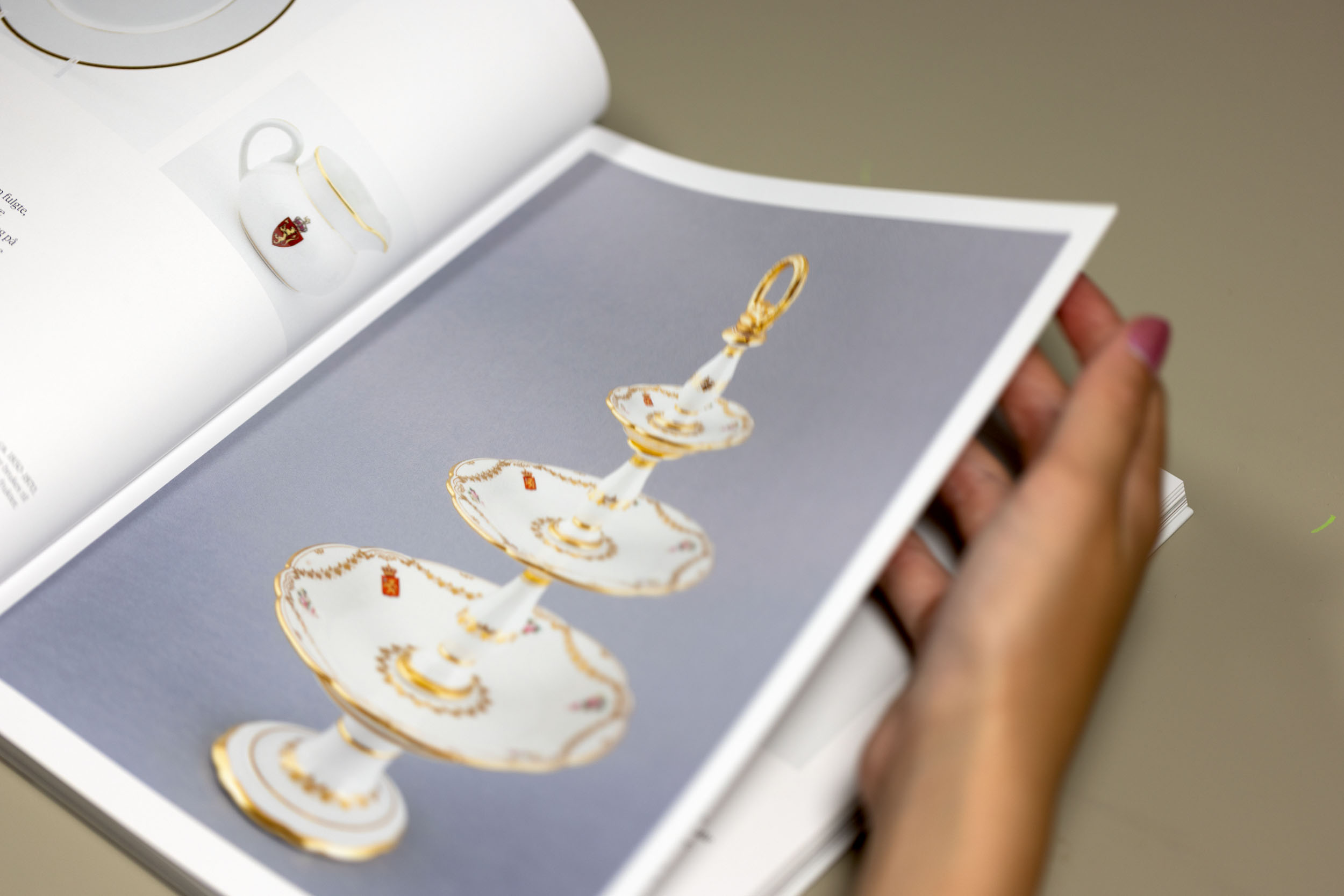
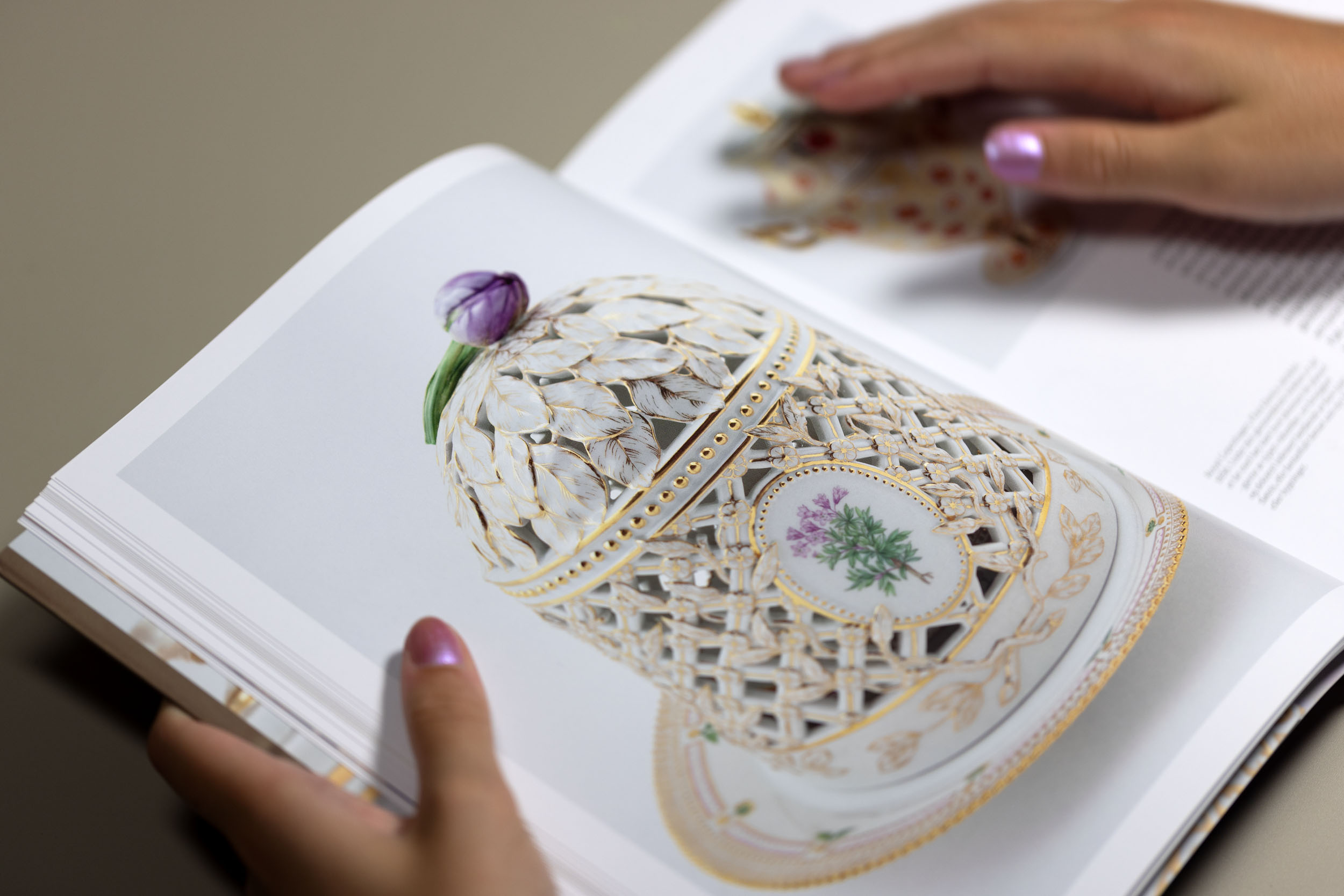
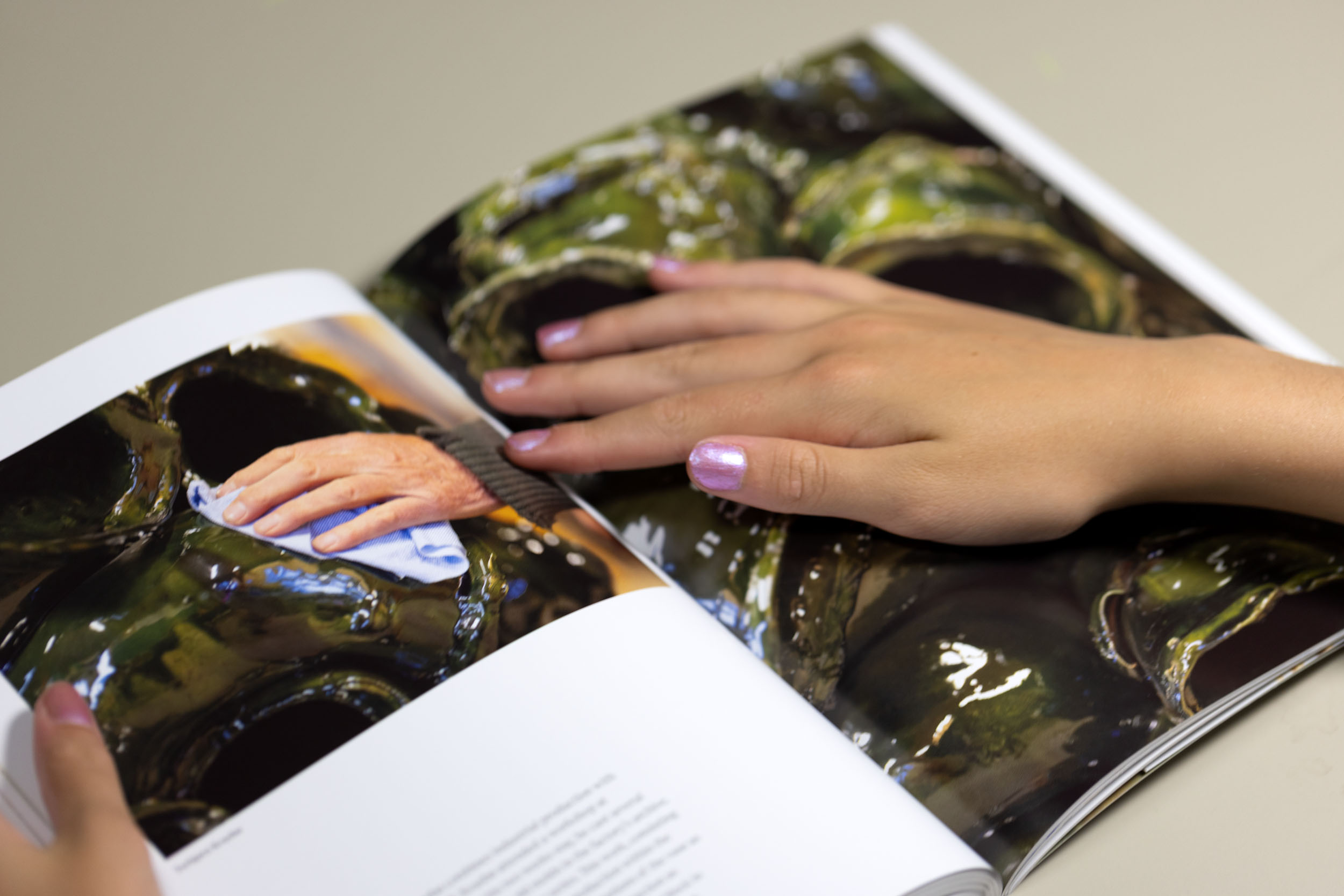
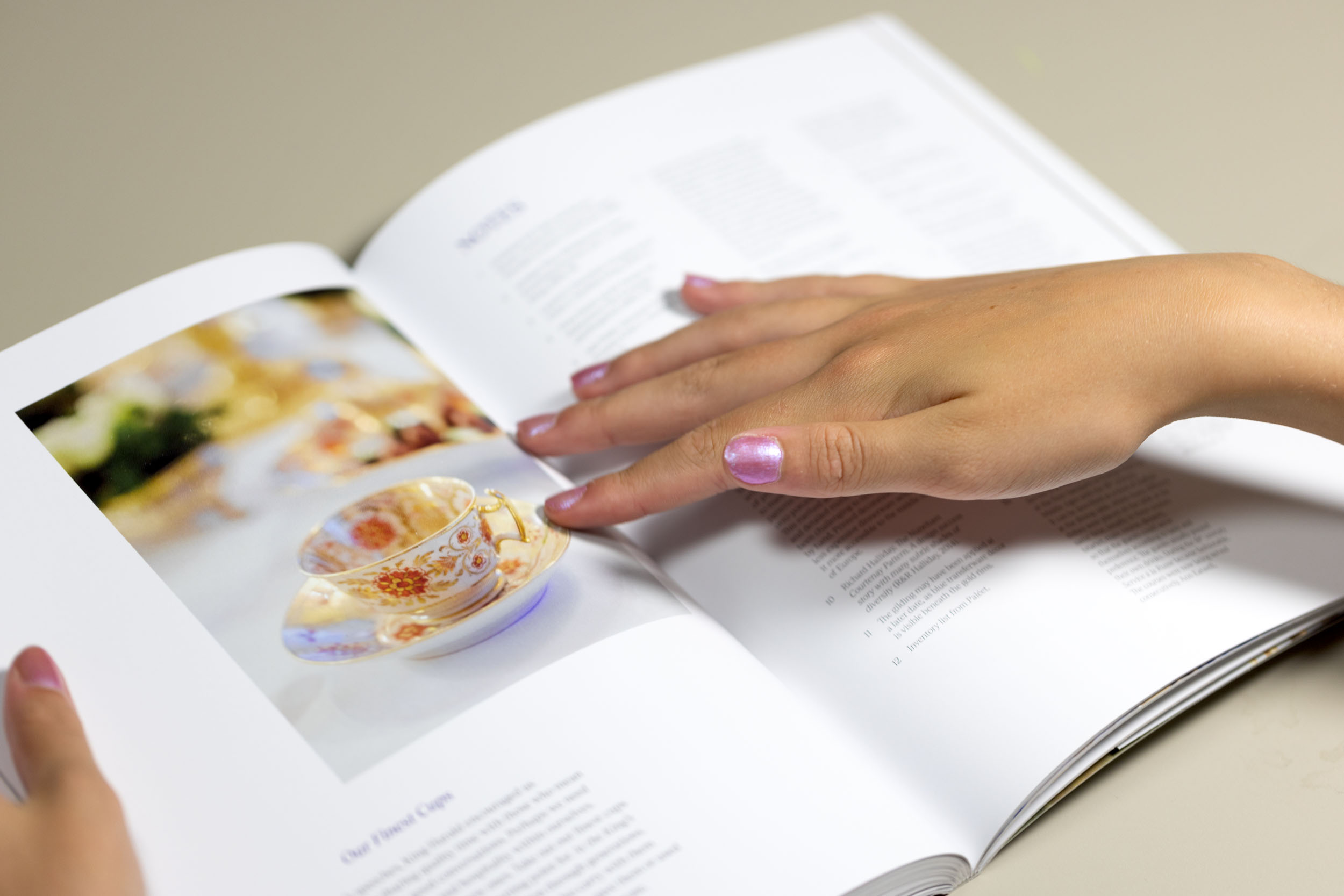
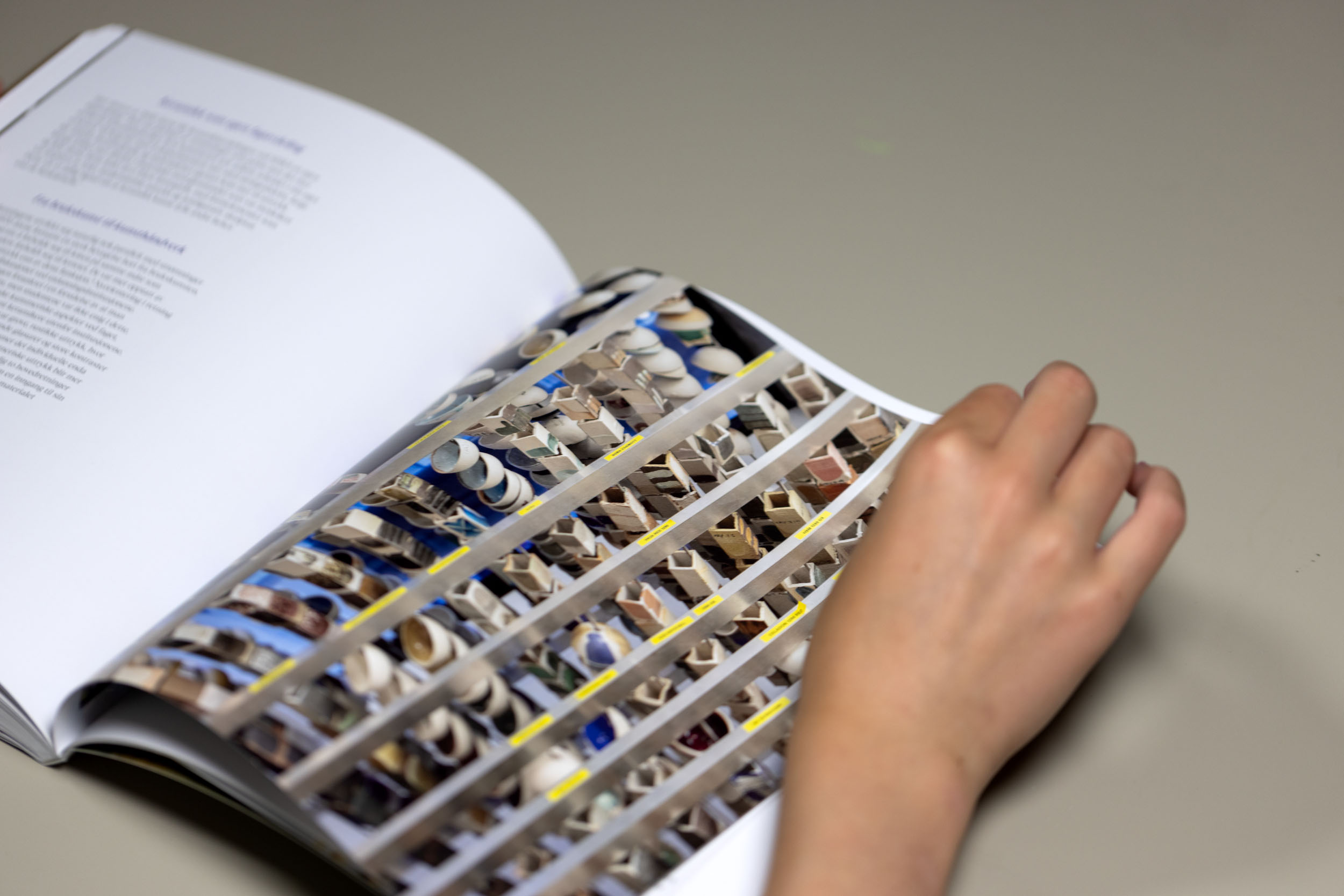
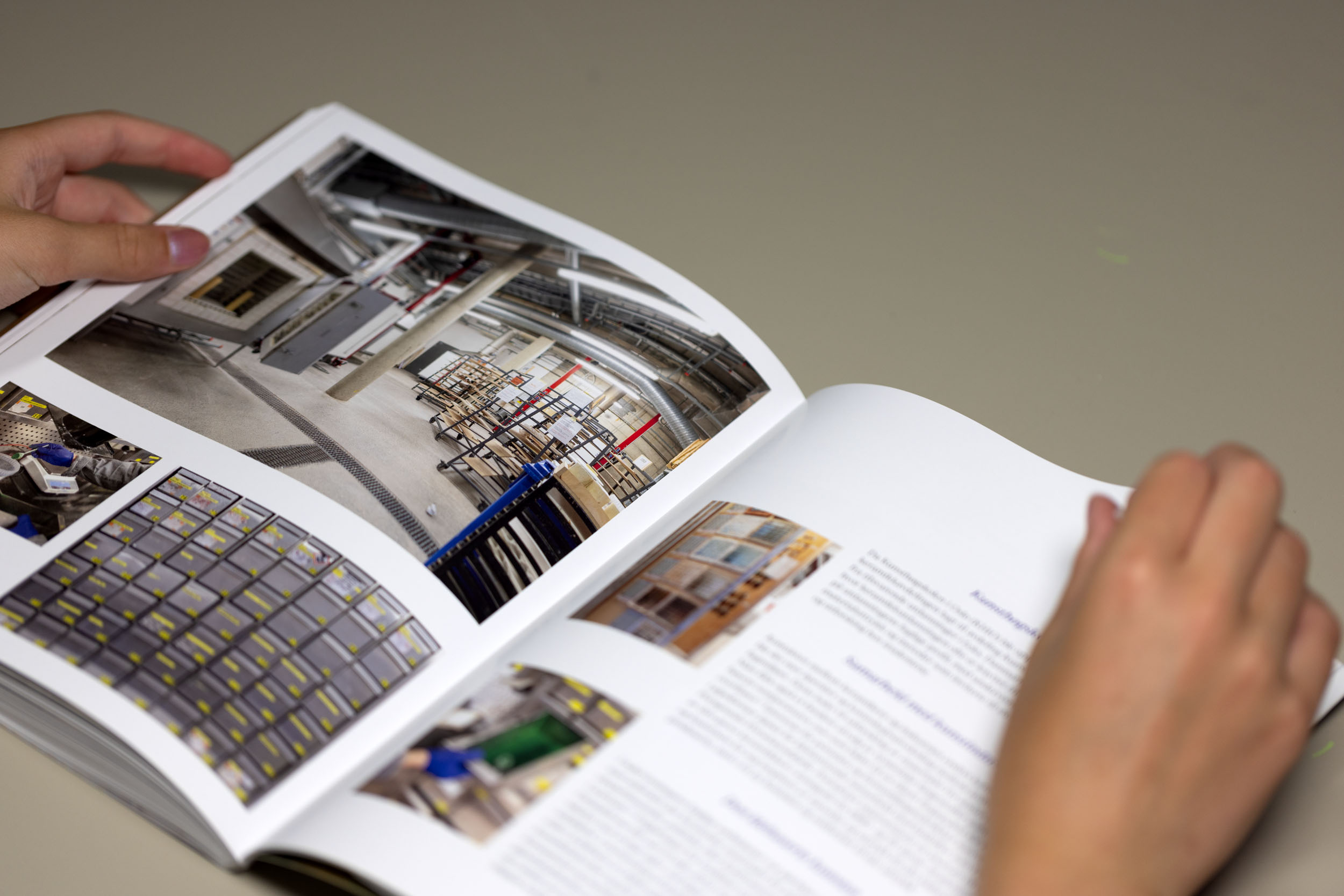
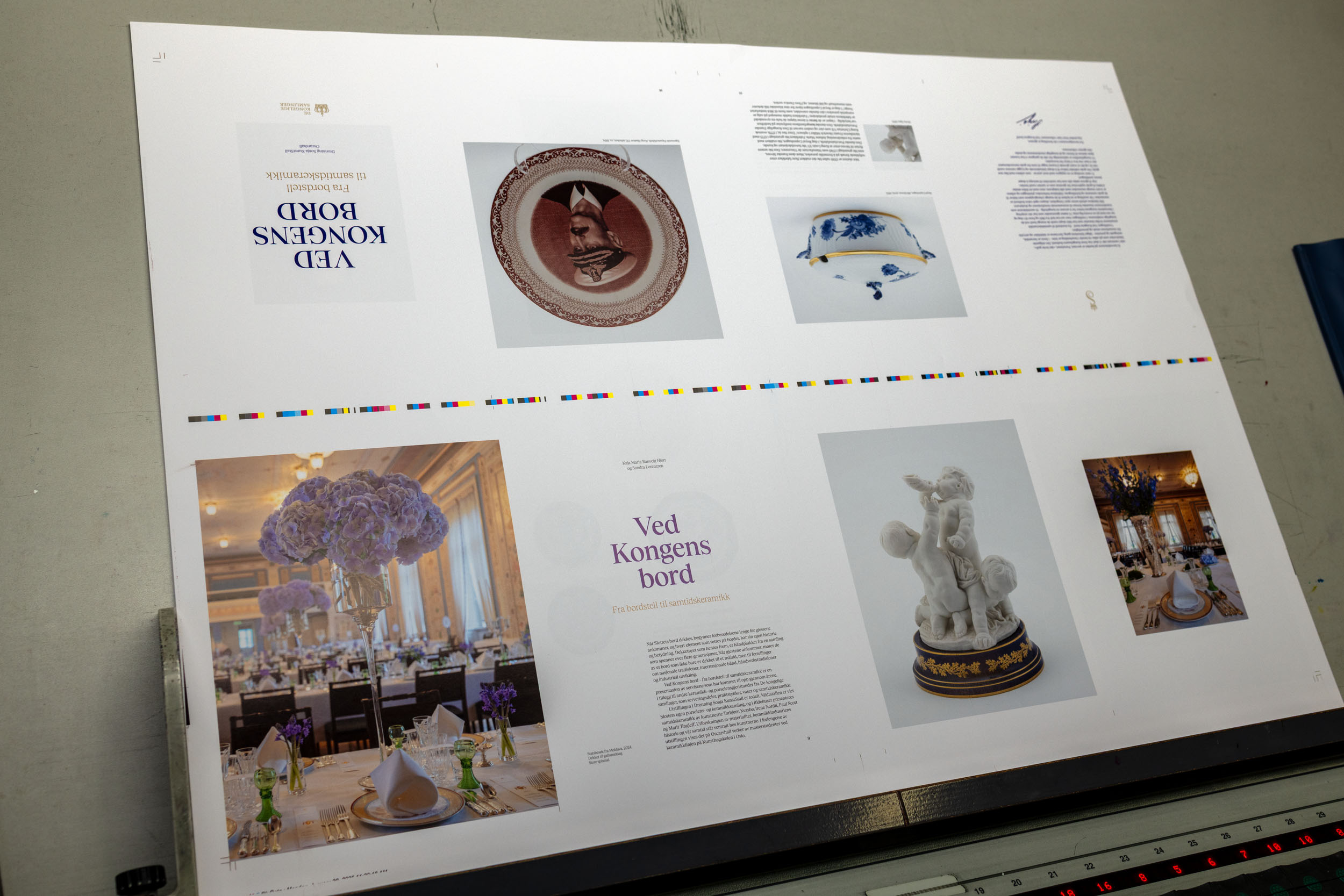
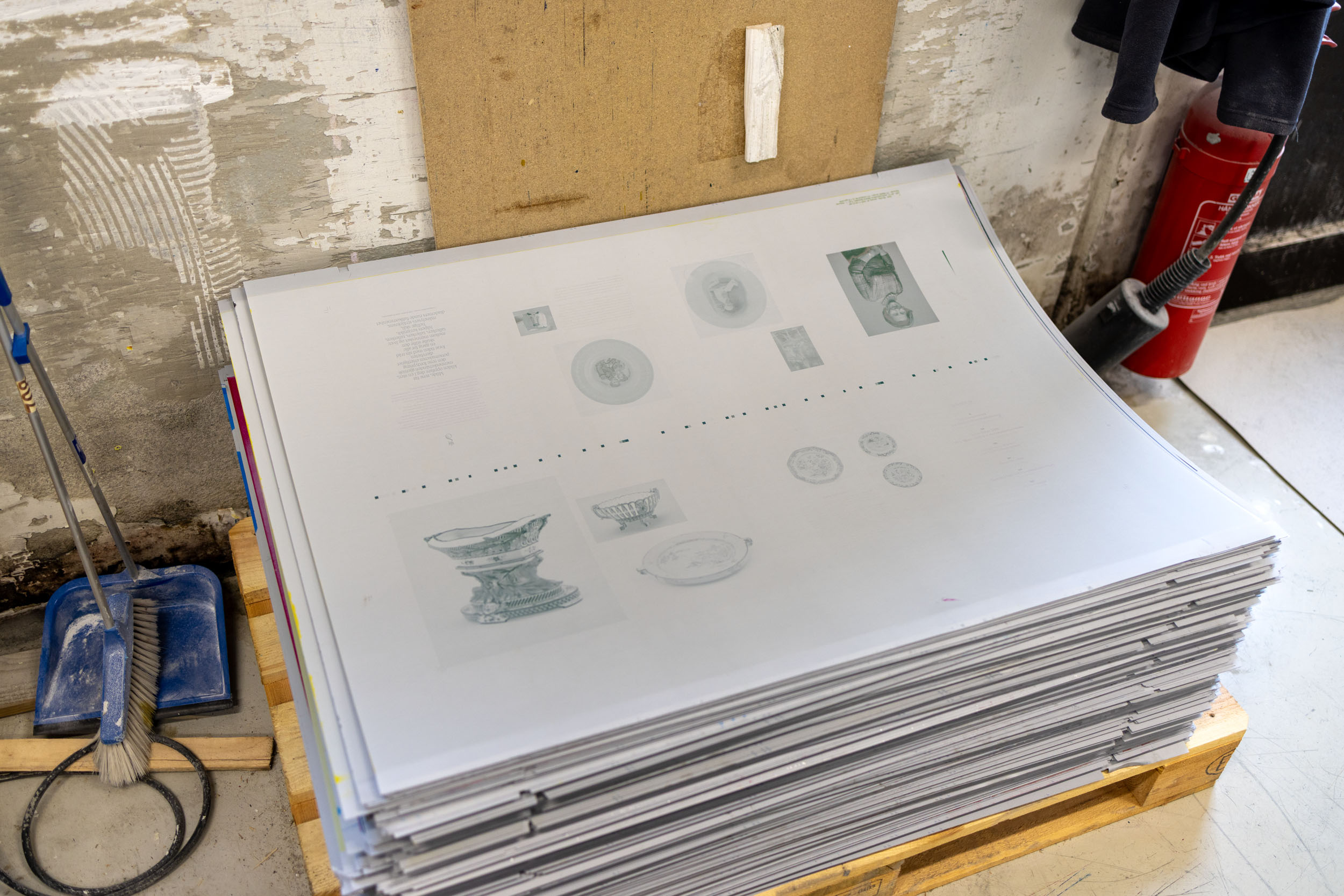
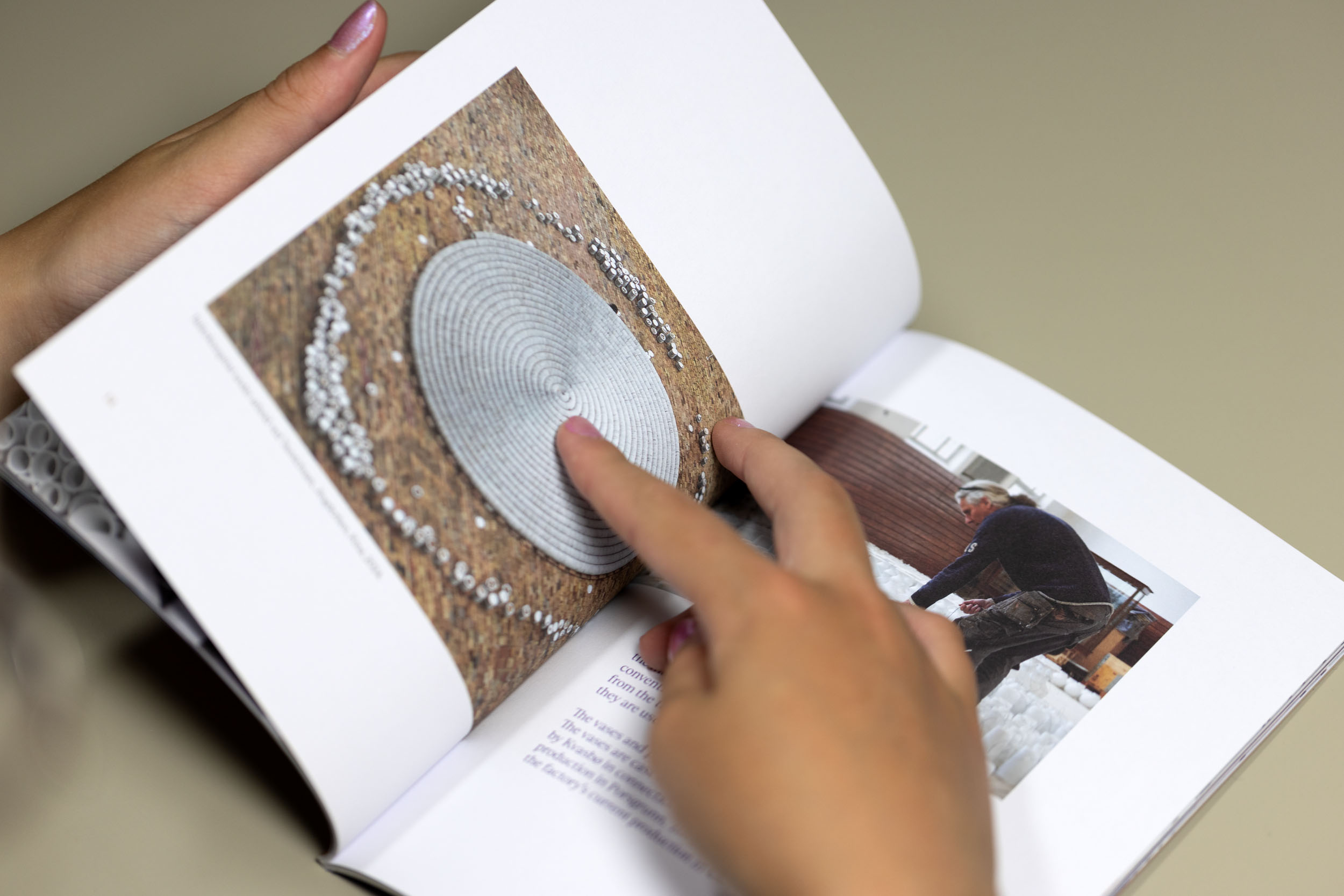
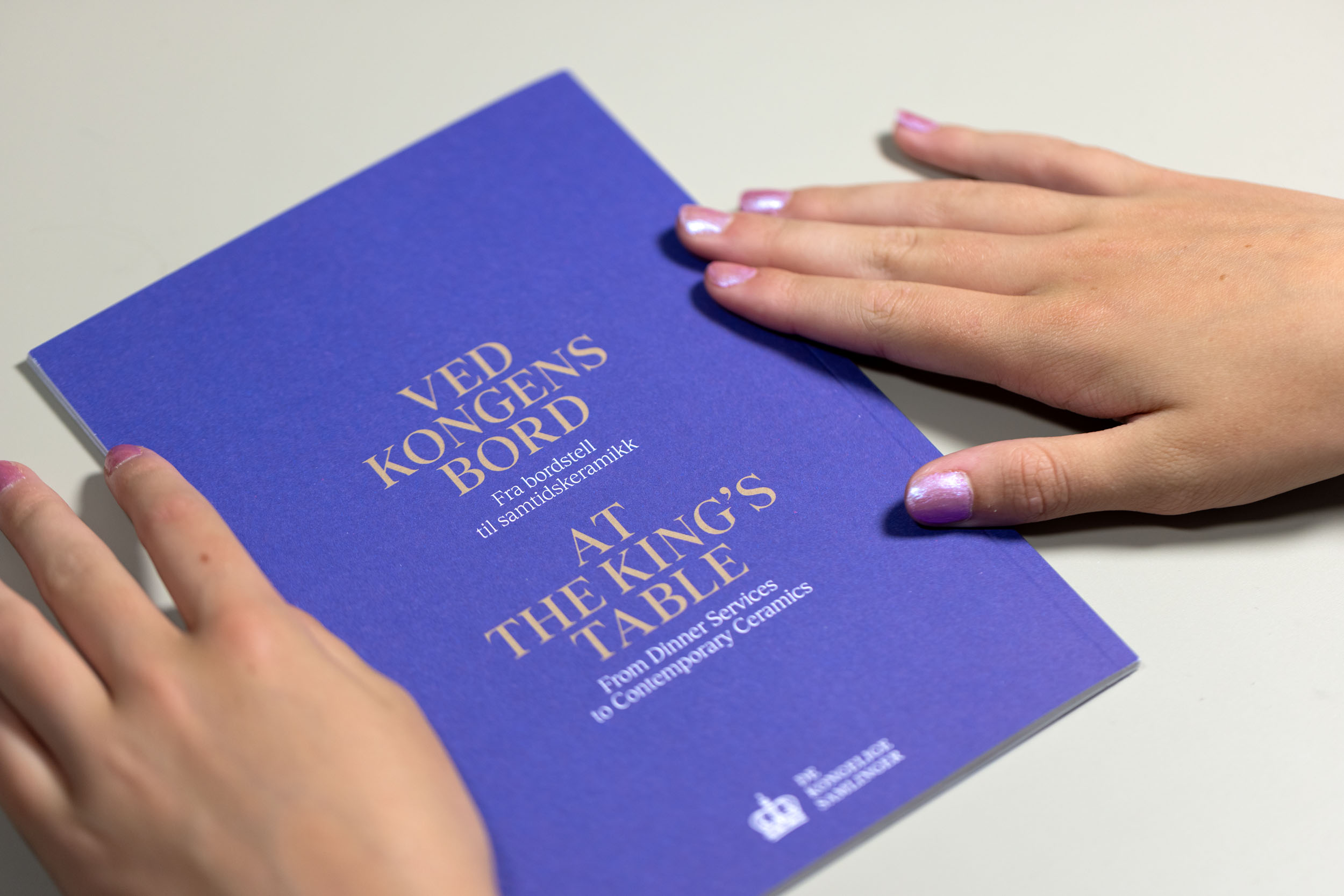
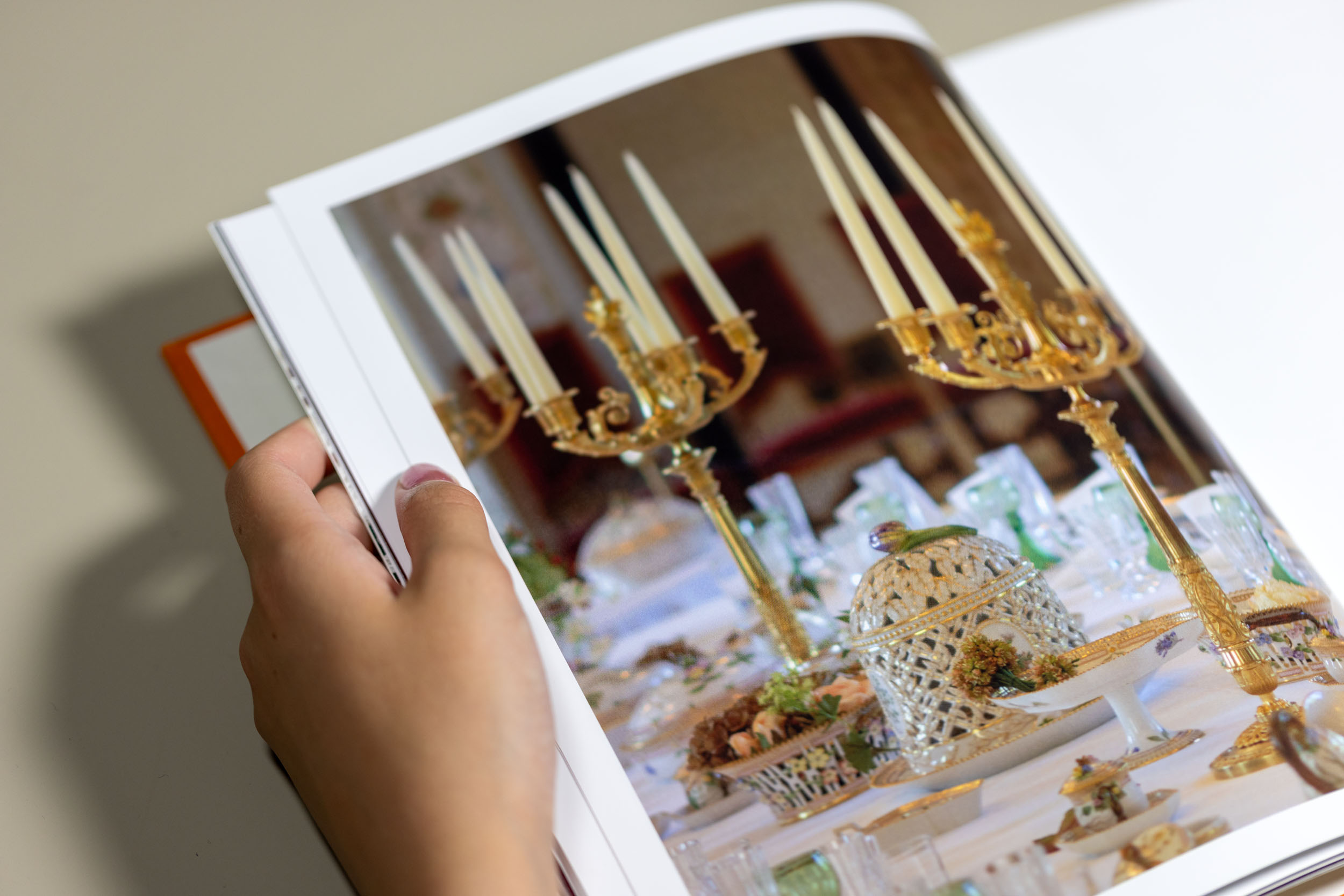
At the King’s table, stories of national traditions, international ties, craftsmanship and industrial development unfold. Preparations begin long before the guests arrive with the setting of the table. Each piece of a dinner service, selected from a collection passed down through generations, carries its own history and significance. When the guests arrive, they are welcomed to a table prepared not only for a meal, but to a table that tells a story.At the King’s Table – from dinner services to contemporary ceramics is a presentation of dinnerware that have been added over the years, as well as other ceramic and porcelain pieces from the Royal Collections, such as serving pieces, showpieces, vases, and contemporary ceramics.
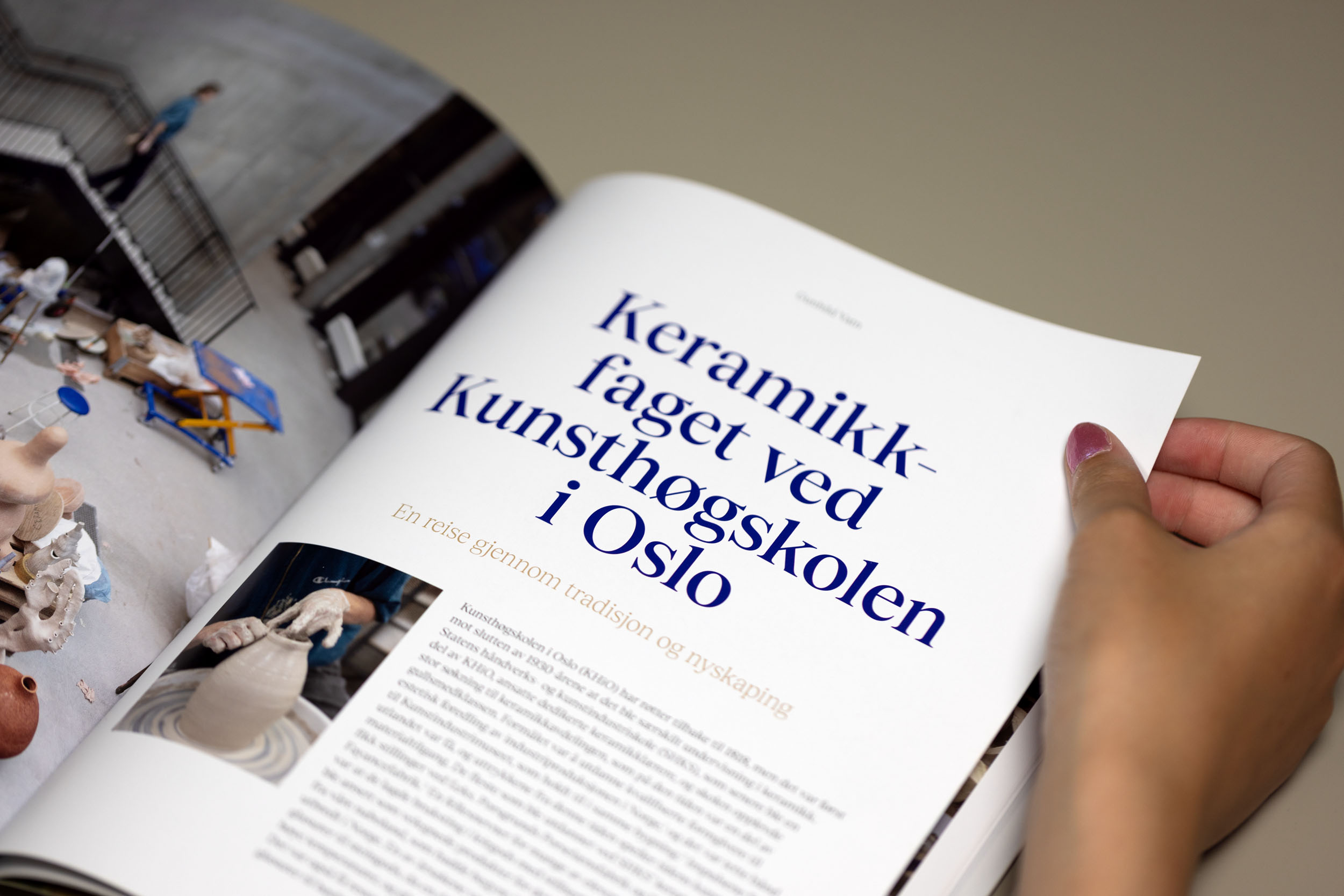
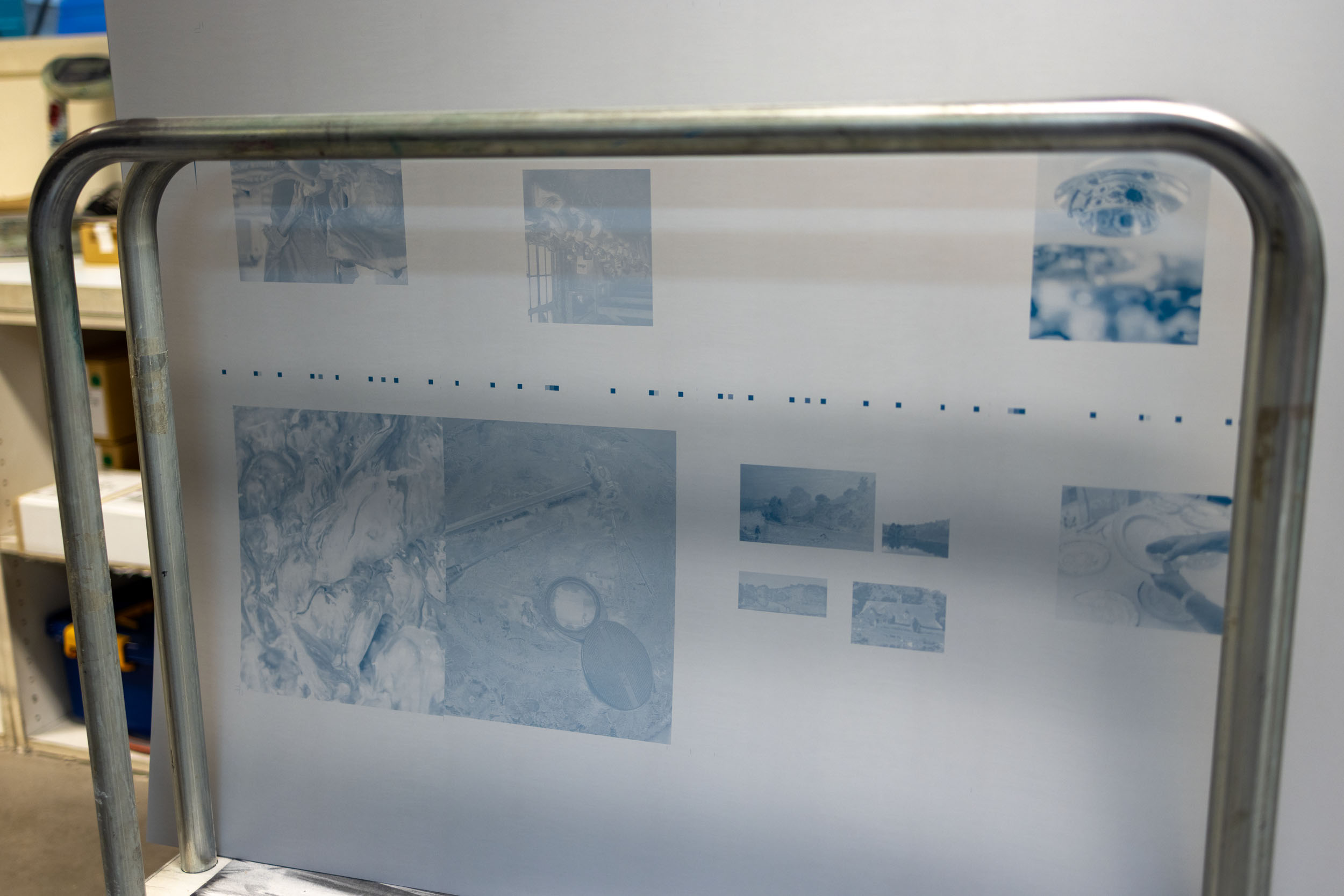
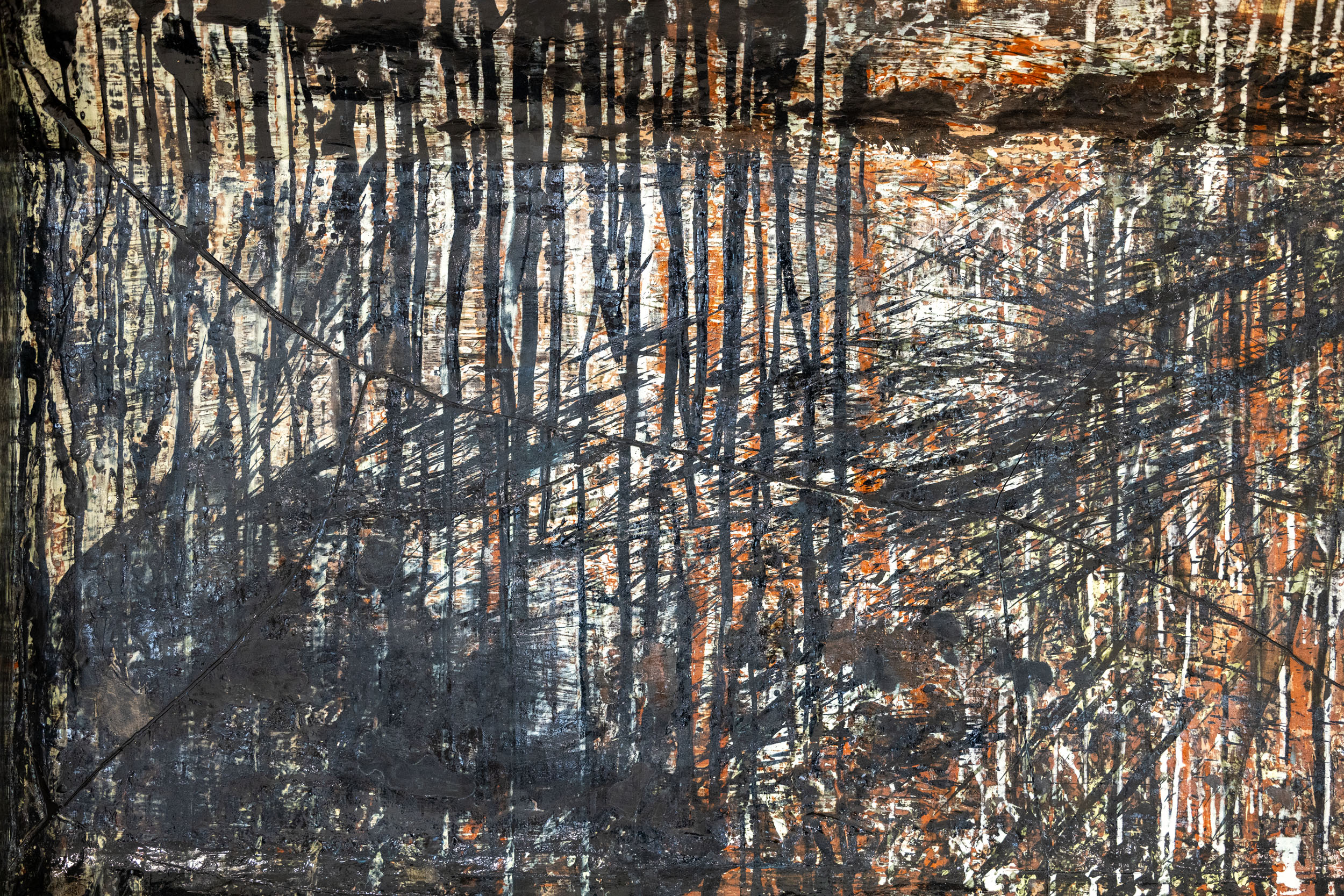
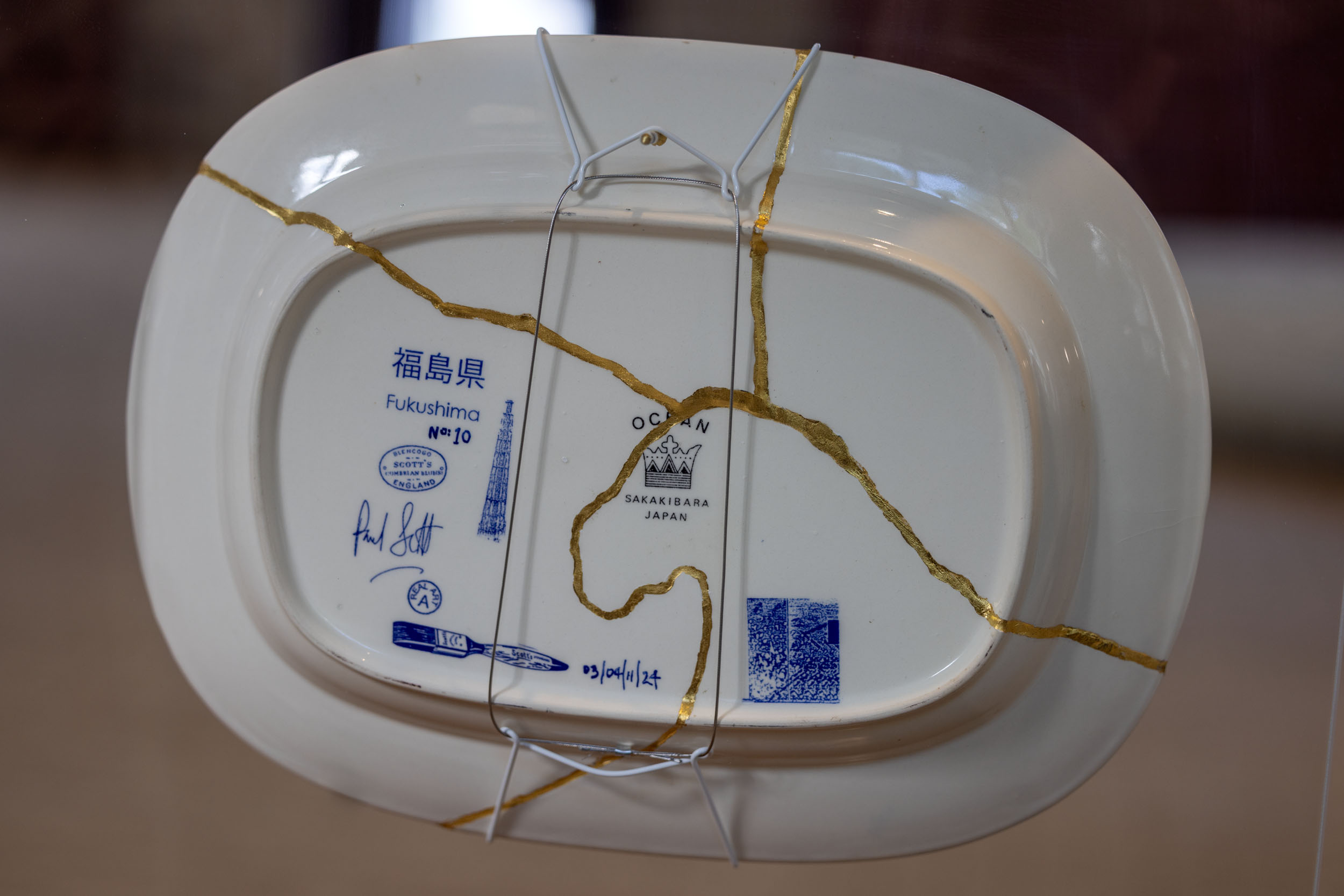
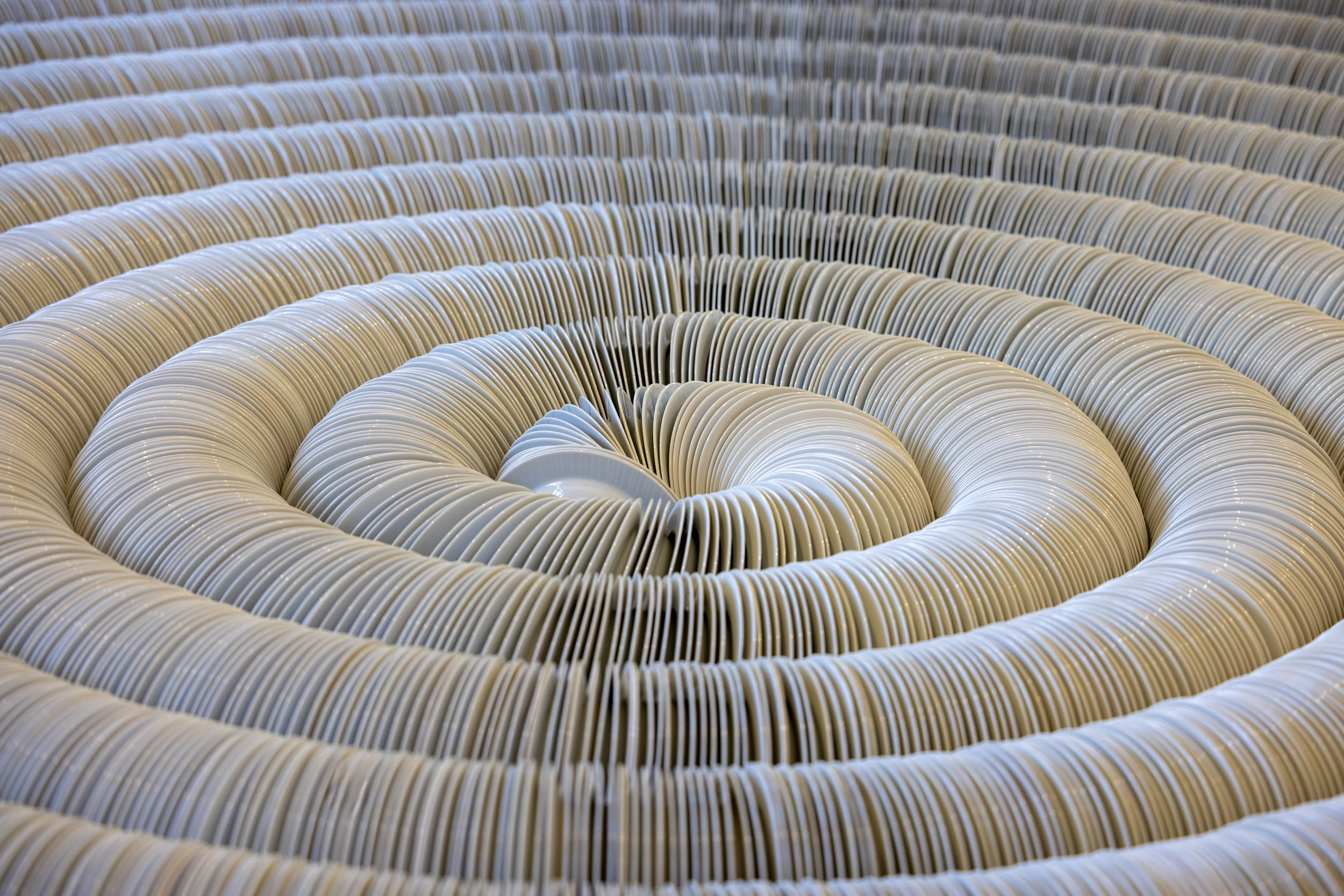
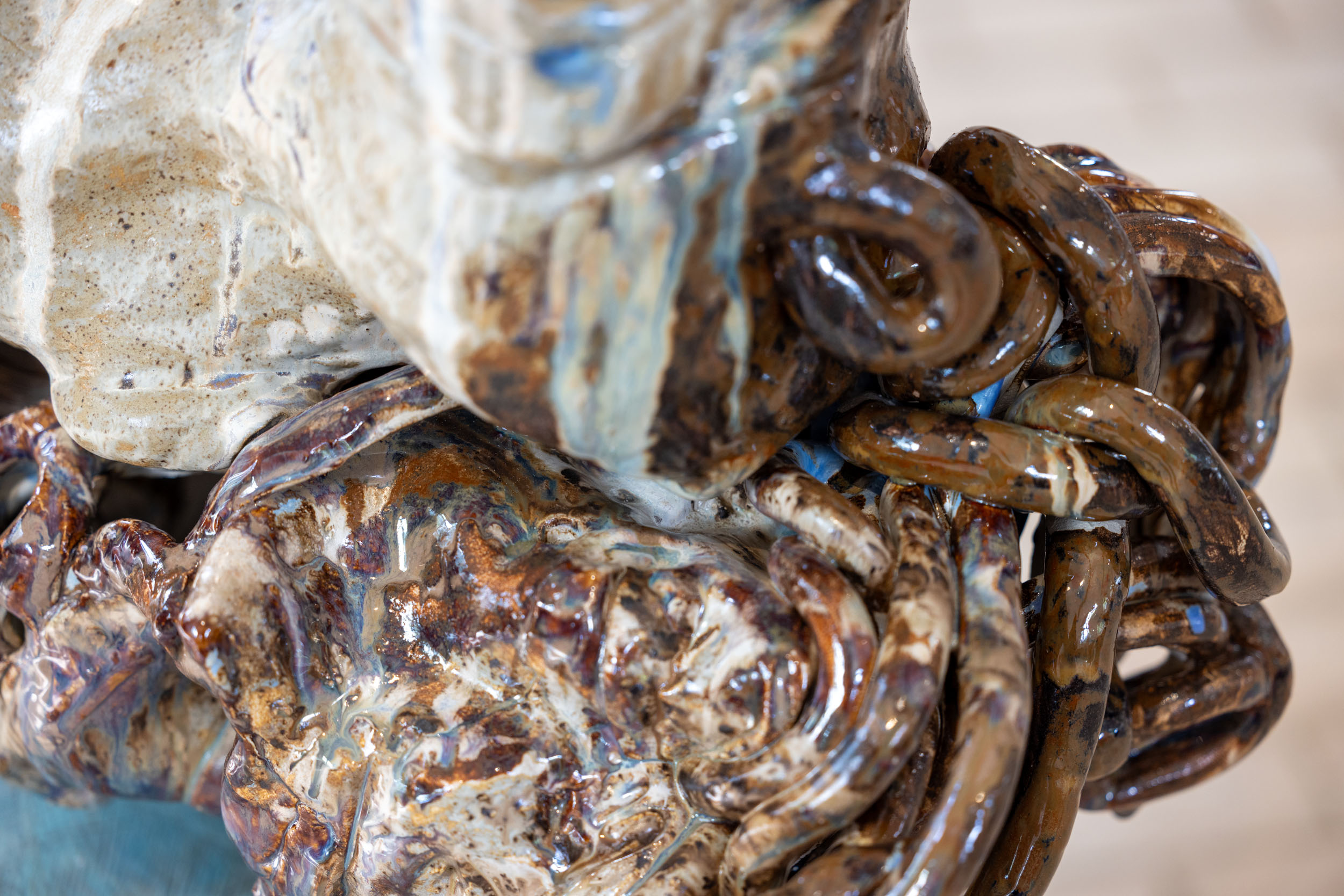
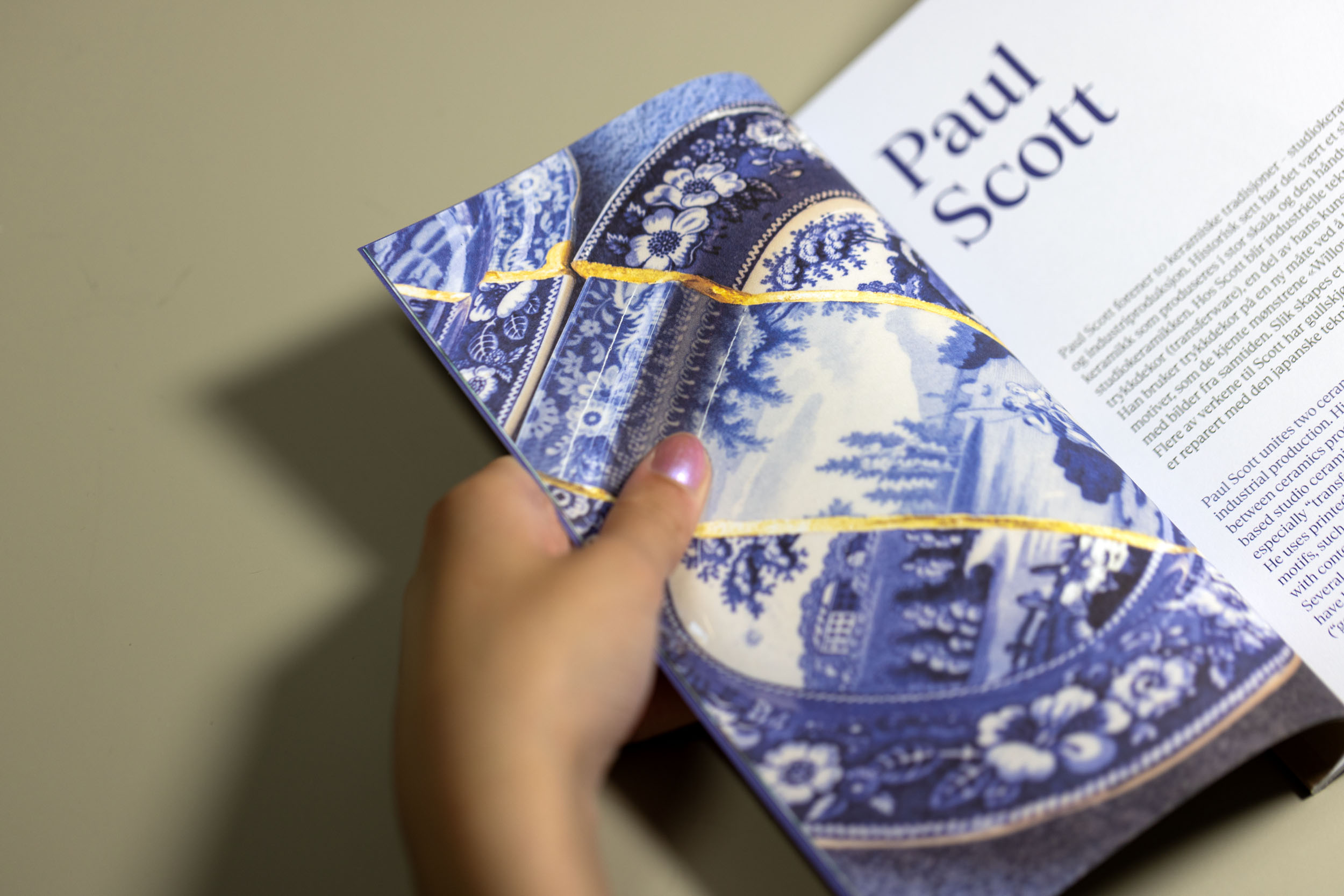
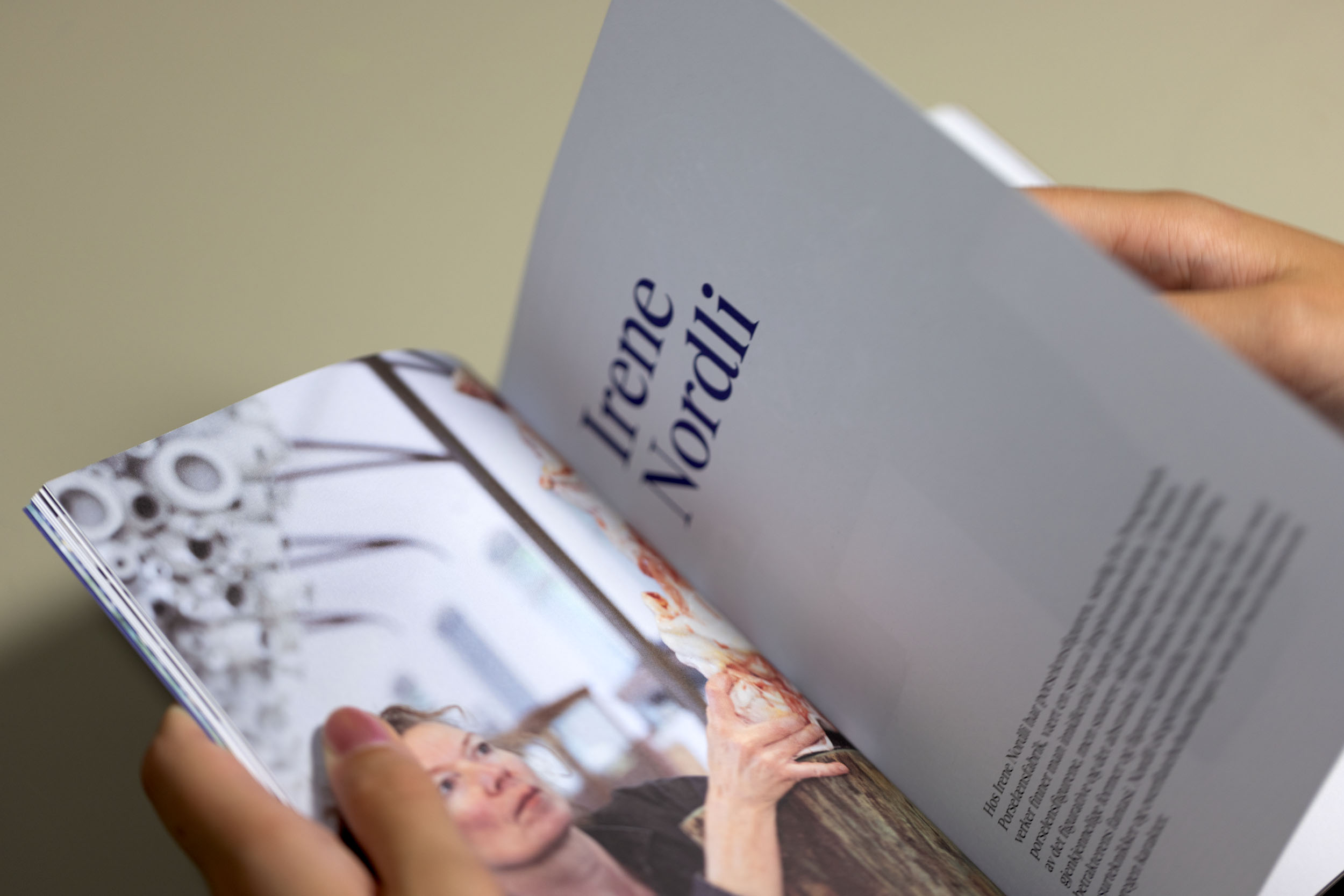
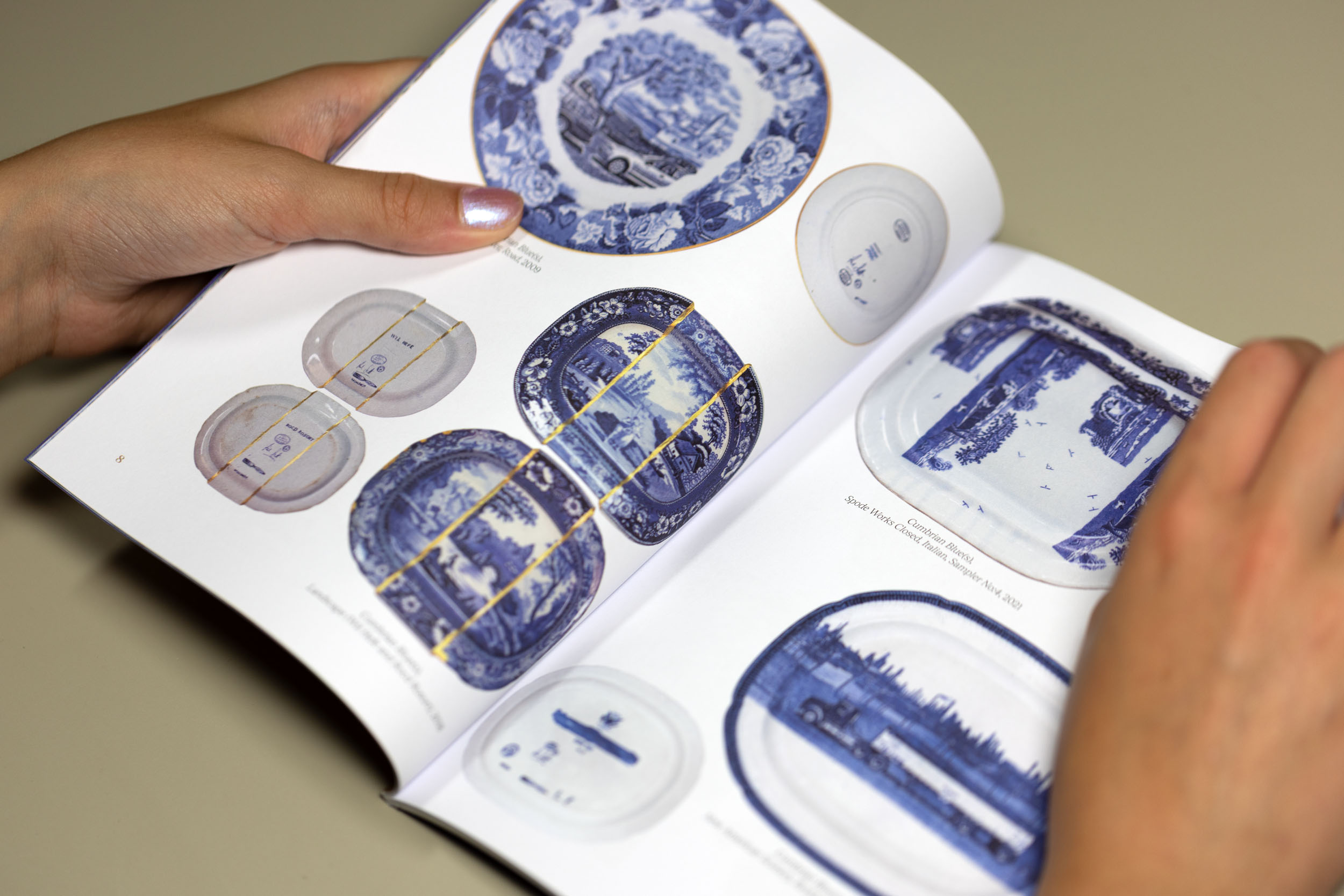
The exhibition in Queen Sonja Art Stable is divided into two sections. The Central Hall is devoted to the Palace’s porcelain and ceramic collection, whilst the Riding Hall presents contemporary ceramics by artists Torbjørn Kvasbø, Irene Nordli, Paul Scott and Marit Tingleff. The exploration of materiality, the history of the ceramic industry, and contemporary topics is central to the artists’ work. As an extension of the exhibition, Oscarshall showcases artworks by master students from the ceramics programme at the Oslo National Academy of the Arts.
(From the catalogue introduction)
Published for the exhibition
At the King’s Table
– From dinner services to contemporary ceramics
7 February–14 December 2025
in Queen Sonja Art Stable: Midtstallen
28 May–14 December
in Queen Sonja Art Stable: Ridehuset
10 May–31 August: Summer season
at Oscarshall
The design project includes a main catalogue, a smaller catalogue for the contemporary ceramics exhibition as well as promotional material and ads.
The Royal Collections
The Royal Court
© Det kongelige hoff/The Royal Court 2025
ISBN 978-82-8106-043-2
2025
20 x 25 cm
128 pages
Language: Norwegian/English
Curators of the exhibition and editors of the catalogue:
Sandra Lorentzen/Kaja Maria Ranveig Hjort
Texts by:
H.M. Queen Sonja
Dr Richard Halliday, specialist in 18th- and 19th-century British ceramics
Dr Annechen Bahr Bugge, sociologist and senior researcher at OsloMet
Dr Gunhild Vatn, professor of ceramics at KHiO
Kaja Maria Ranveig Hjort, Sandra Lorentzen and Gunhild Varvin at the Royal Collections
Extract from Pablo Neruda, “Oda al plato” (Ode to the Plate) in The Poetry of the Table, translated by Henry Notaker (Oslo: Den norske Bokklubben, 1989)
Proofreading and translation:
Kjersti Velsand/Angela Amoroso
Design: Halvor Bodin
Repro: Øivind Möller Bakken/Halvor Bodin
Printer: TS Trykk, Oslo
Bookbinder: Bokbinderiet Johnsen
Typography: Displaay Tobias
Paper: MultiArt Silk, 170 g/m2
Paper, cover: Algro Design Advanced, 350 g/m2
Photography:
Øivind Möller Bakken, De kongelige samlinger
Jan Haug, Det kongelige hoff
Jørgen Gomnæs, Det kongelige hoff
Richard Halliday
Karl Anderson
Dalane Folkemuseum
British Museum
Teigens Fotoatelier
Anders Beer Wilse
Fotograf Sturlason
NTB
ISBN 978-82-8106-043-2
2025
20 x 25 cm
128 pages
Language: Norwegian/English
Curators of the exhibition and editors of the catalogue:
Sandra Lorentzen/Kaja Maria Ranveig Hjort
Texts by:
H.M. Queen Sonja
Dr Richard Halliday, specialist in 18th- and 19th-century British ceramics
Dr Annechen Bahr Bugge, sociologist and senior researcher at OsloMet
Dr Gunhild Vatn, professor of ceramics at KHiO
Kaja Maria Ranveig Hjort, Sandra Lorentzen and Gunhild Varvin at the Royal Collections
Extract from Pablo Neruda, “Oda al plato” (Ode to the Plate) in The Poetry of the Table, translated by Henry Notaker (Oslo: Den norske Bokklubben, 1989)
Proofreading and translation:
Kjersti Velsand/Angela Amoroso
Design: Halvor Bodin
Repro: Øivind Möller Bakken/Halvor Bodin
Printer: TS Trykk, Oslo
Bookbinder: Bokbinderiet Johnsen
Typography: Displaay Tobias
Paper: MultiArt Silk, 170 g/m2
Paper, cover: Algro Design Advanced, 350 g/m2
Photography:
Øivind Möller Bakken, De kongelige samlinger
Jan Haug, Det kongelige hoff
Jørgen Gomnæs, Det kongelige hoff
Richard Halliday
Karl Anderson
Dalane Folkemuseum
British Museum
Teigens Fotoatelier
Anders Beer Wilse
Fotograf Sturlason
NTB























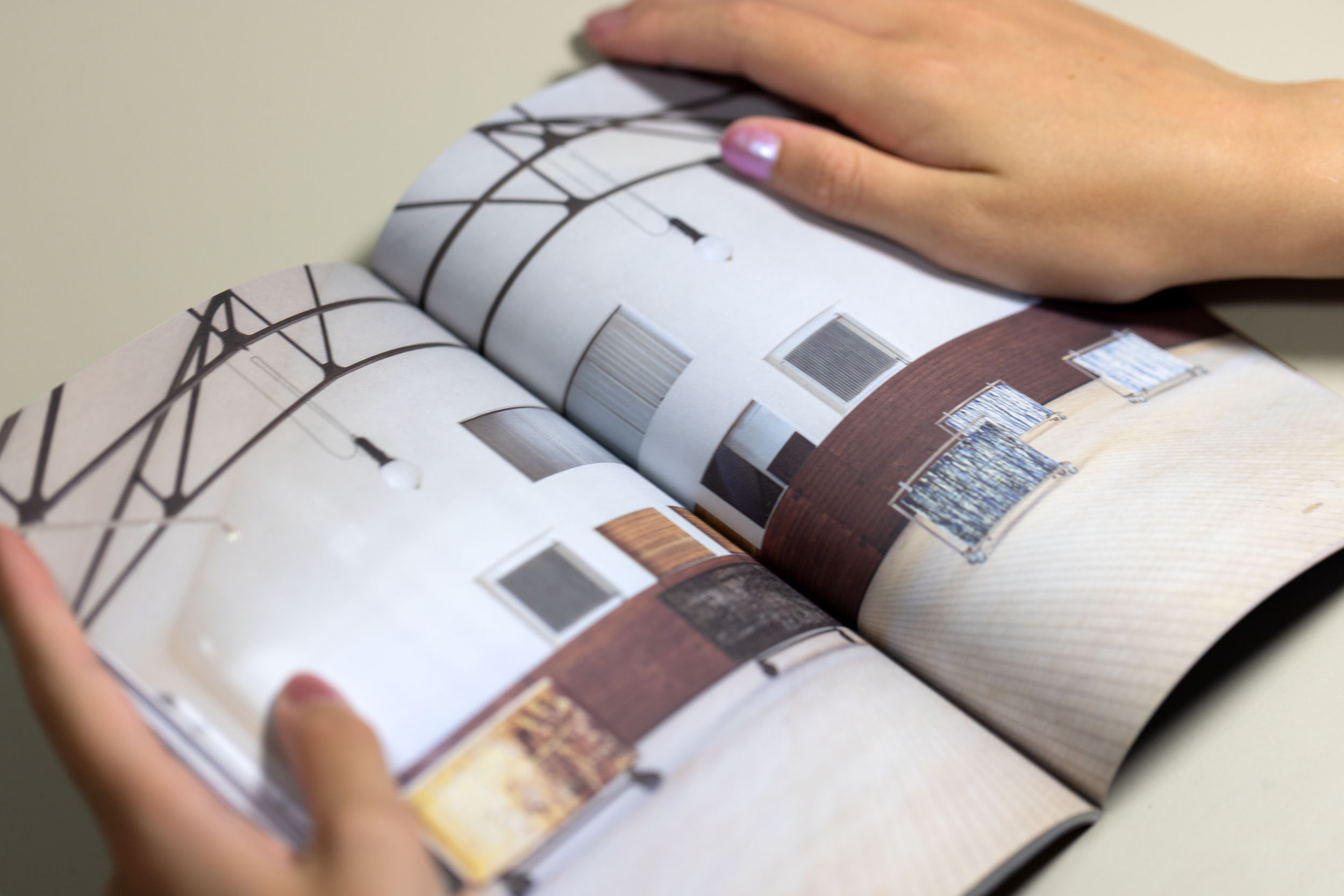
Documentation photography by Halvor Bodin




Royal Photographers
– Snapshots from 1890 to 1990
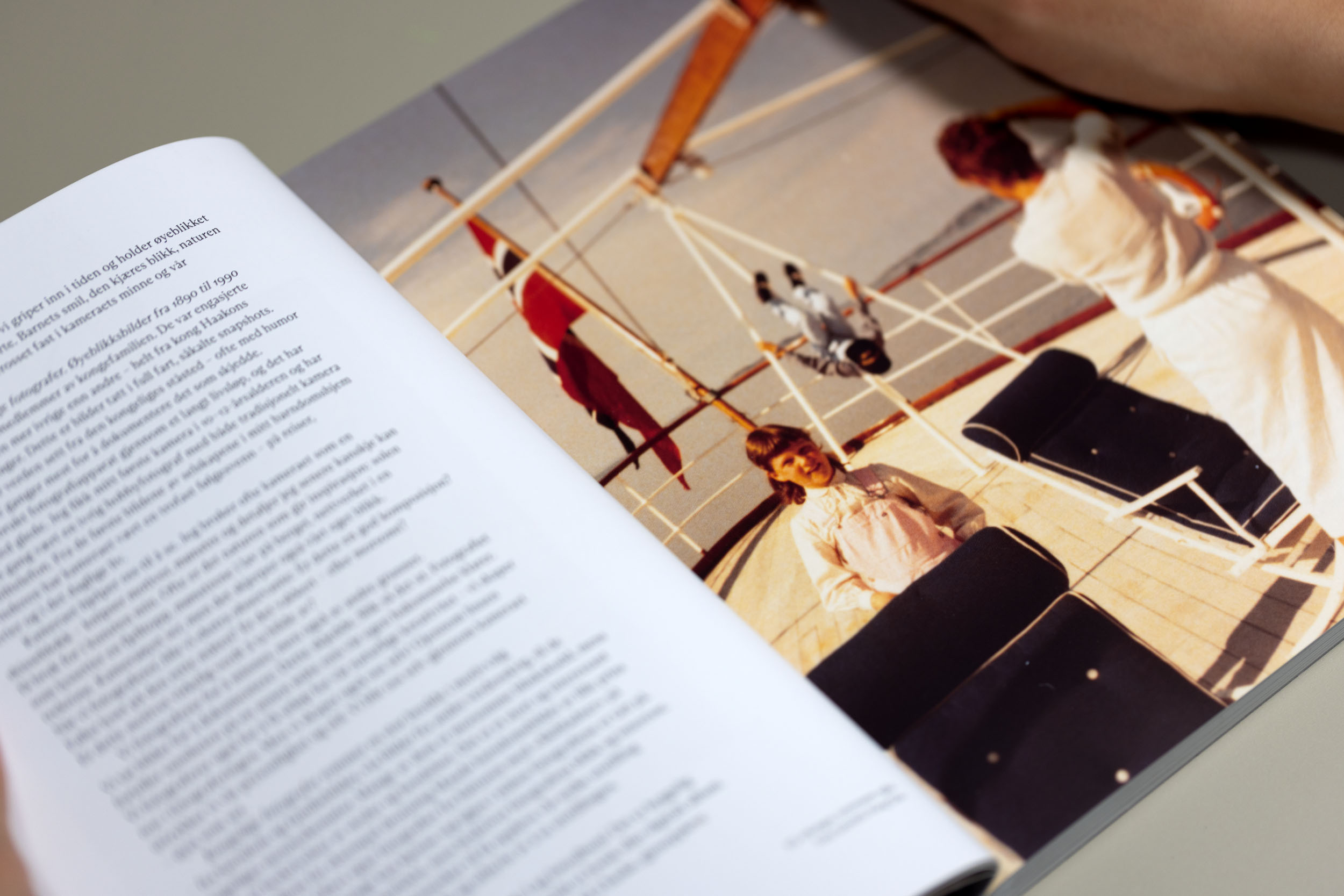
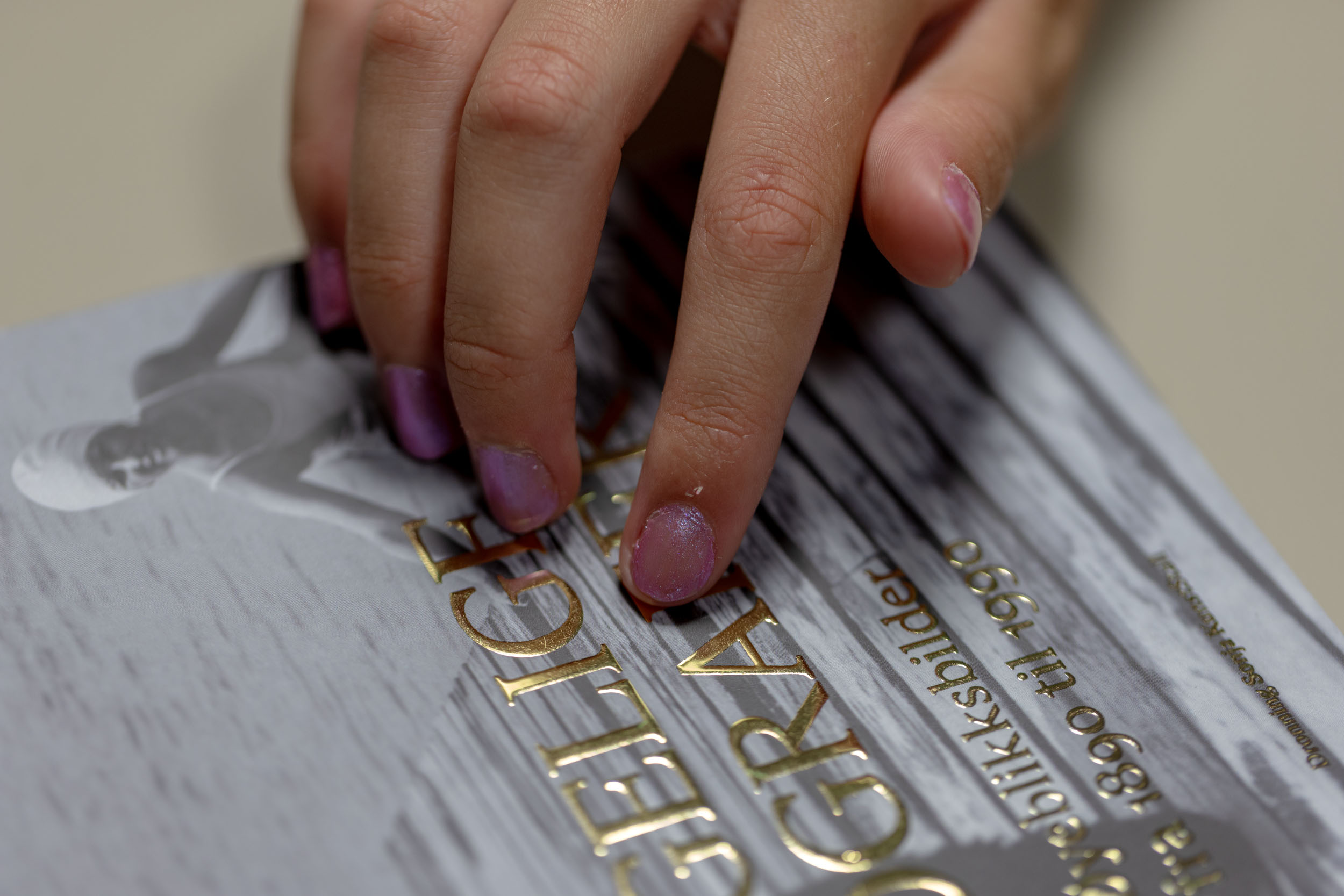
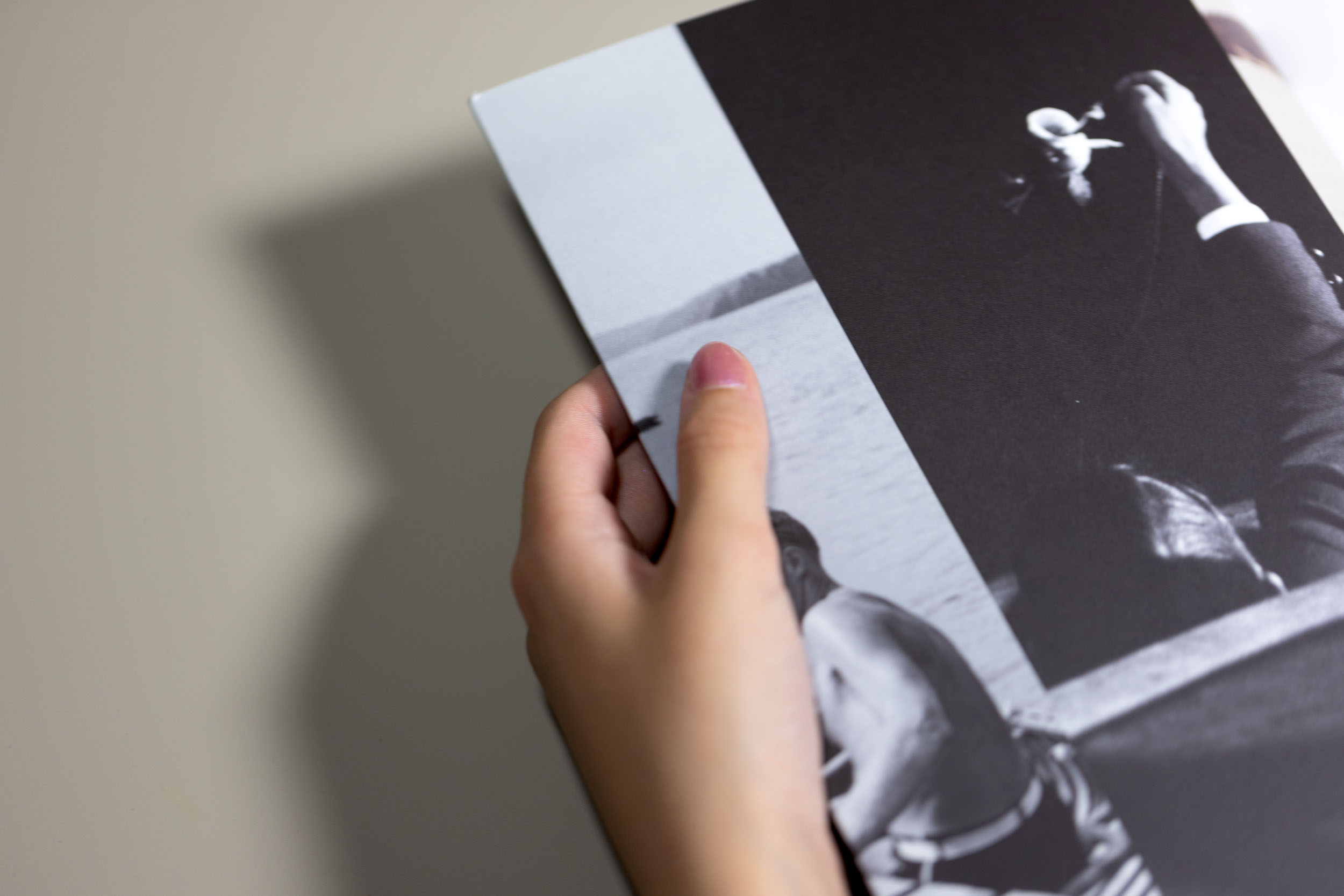
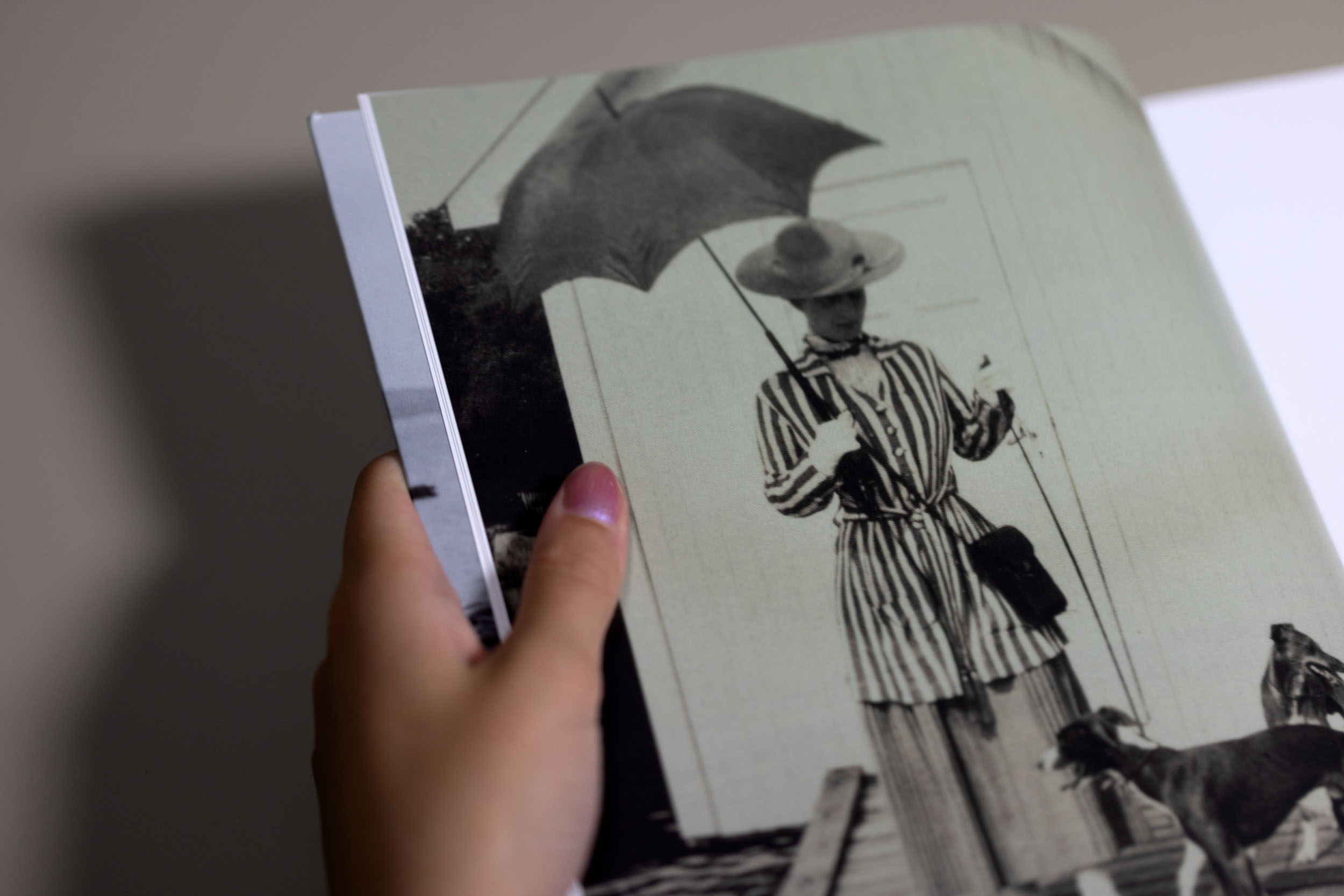
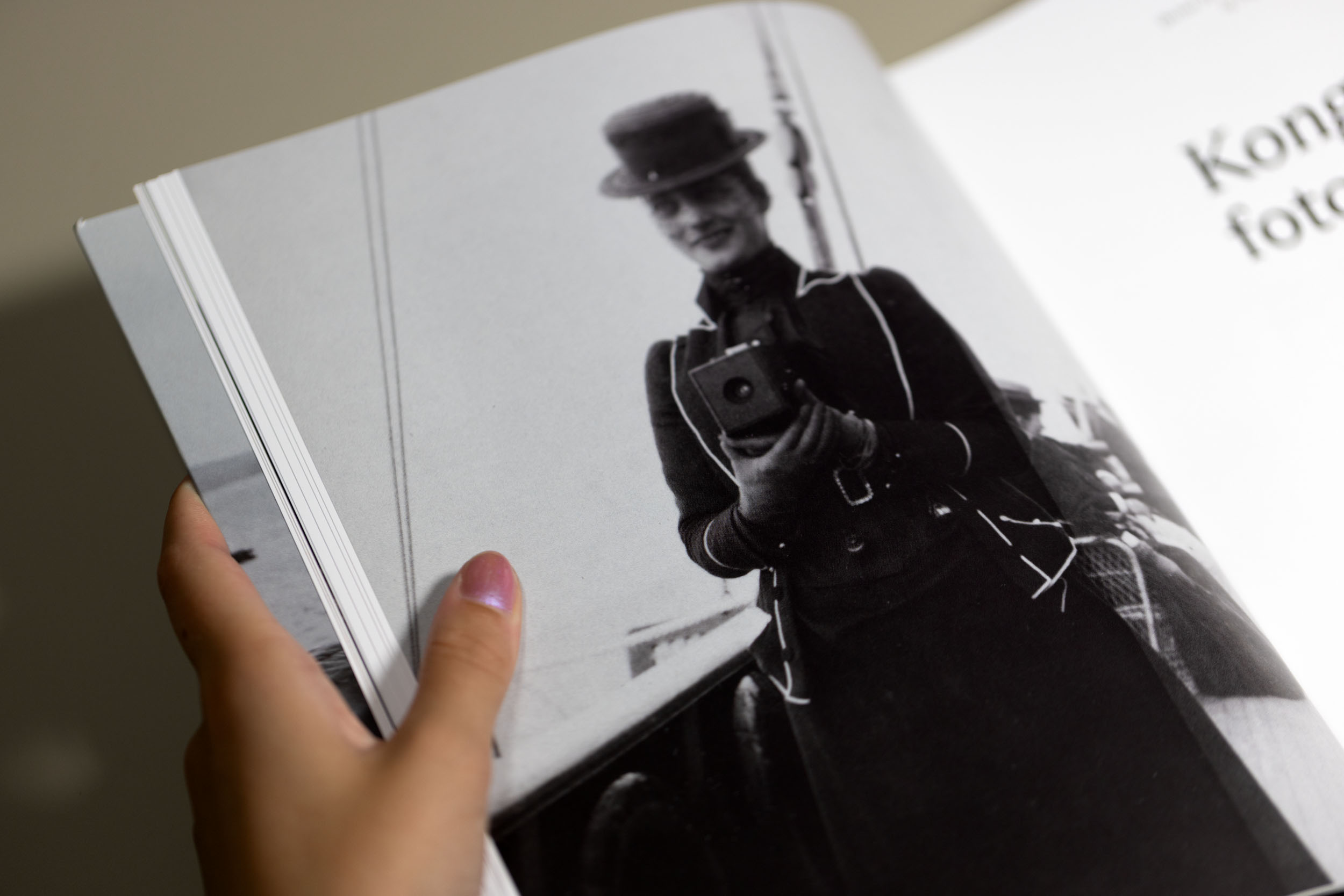
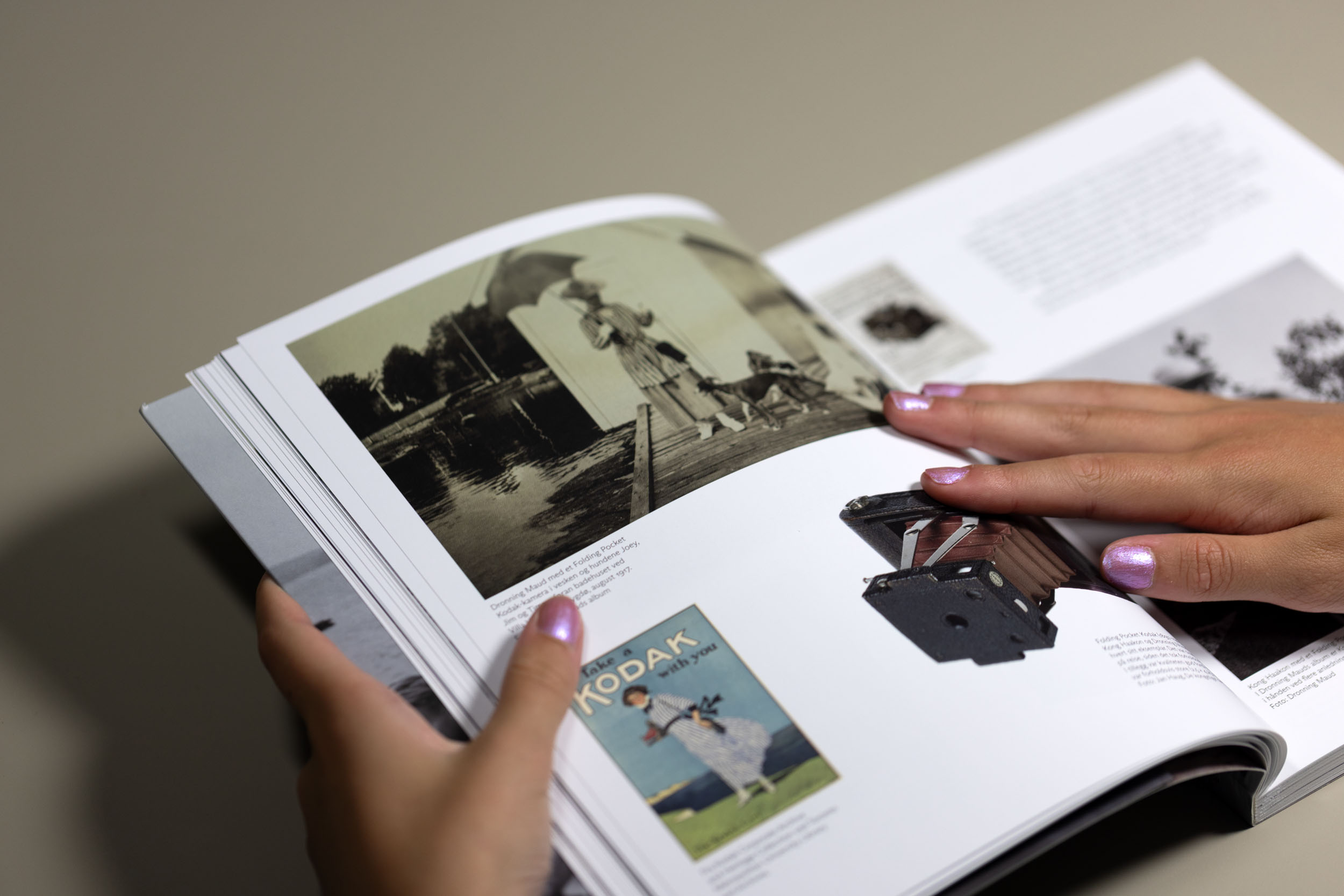
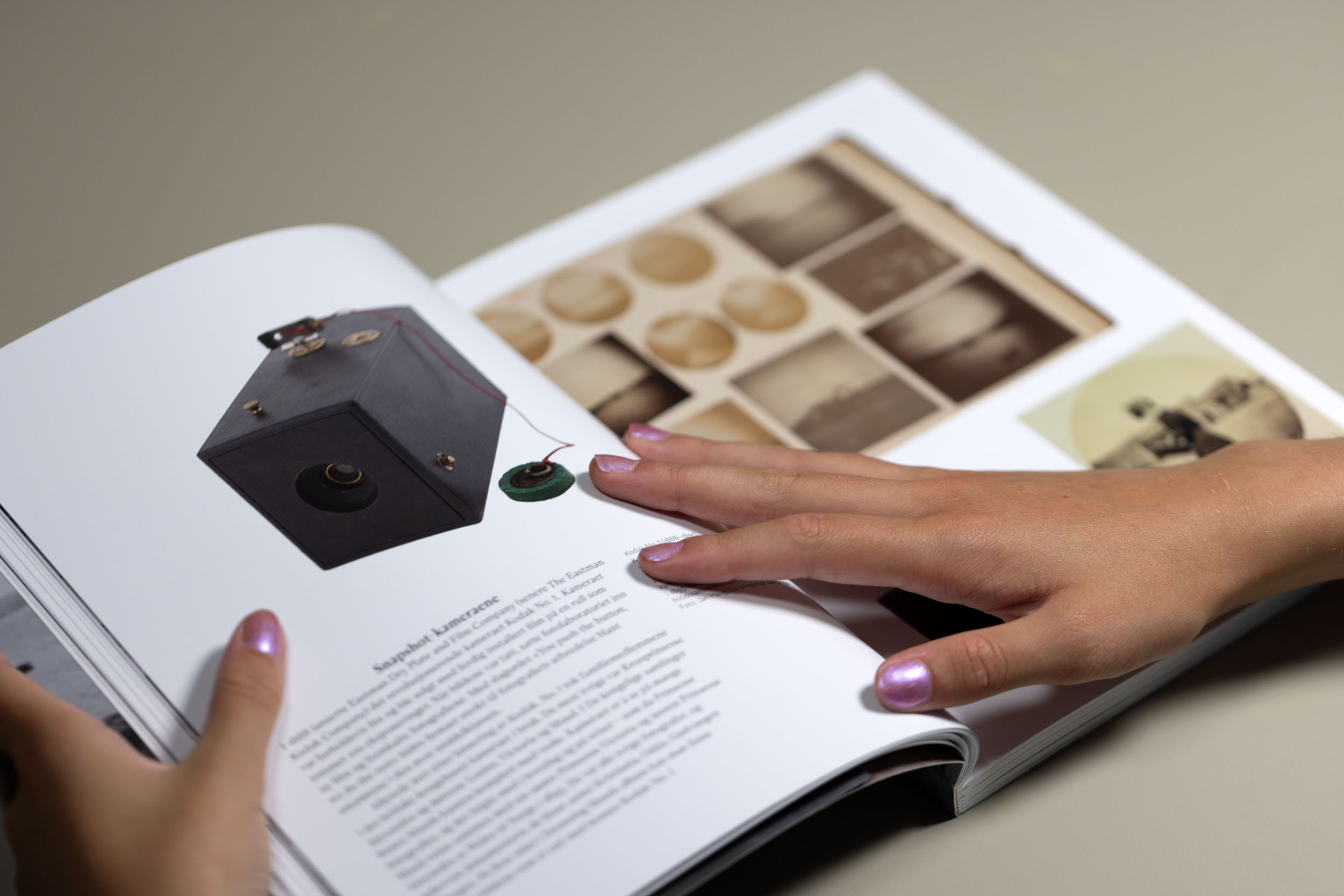
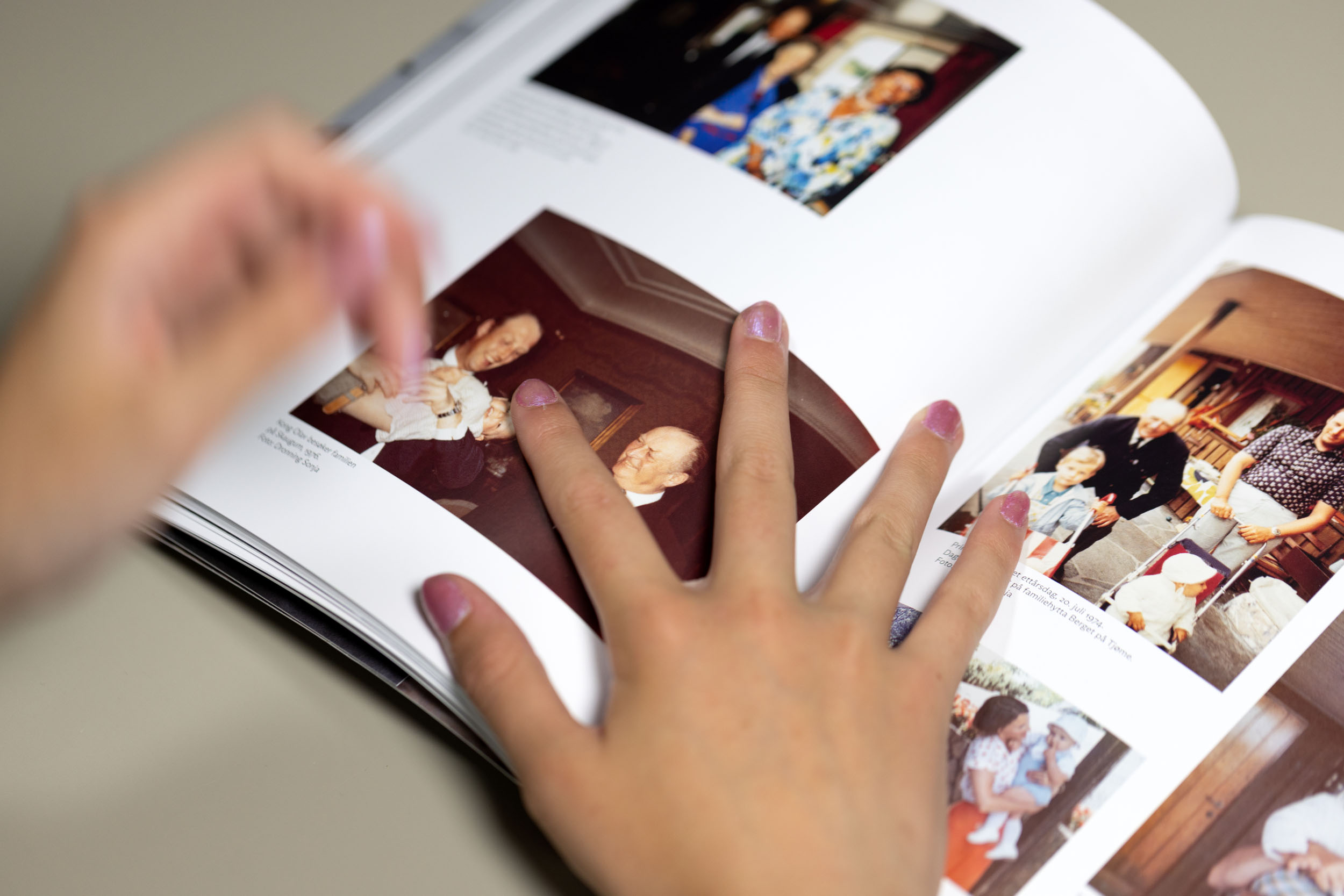
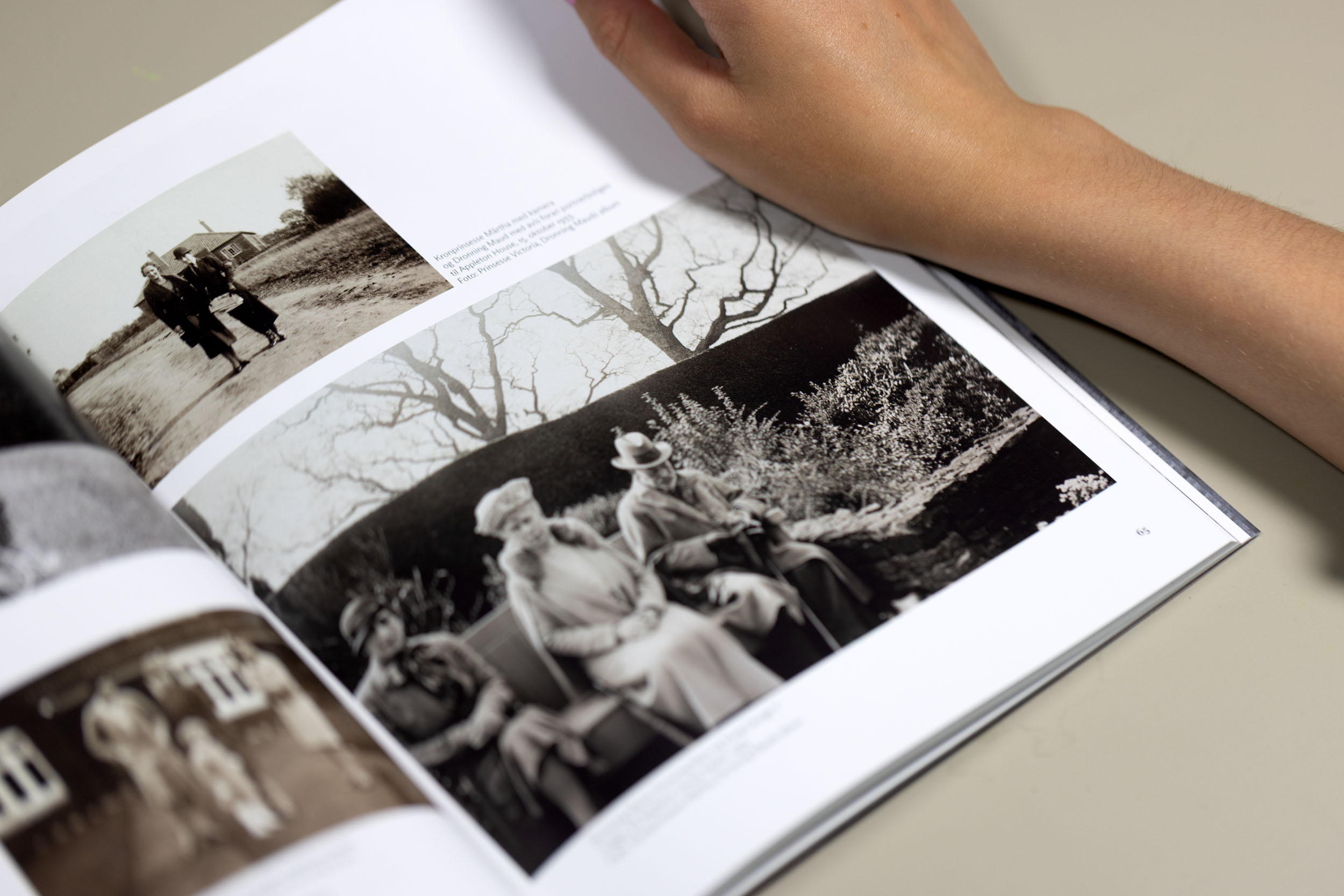
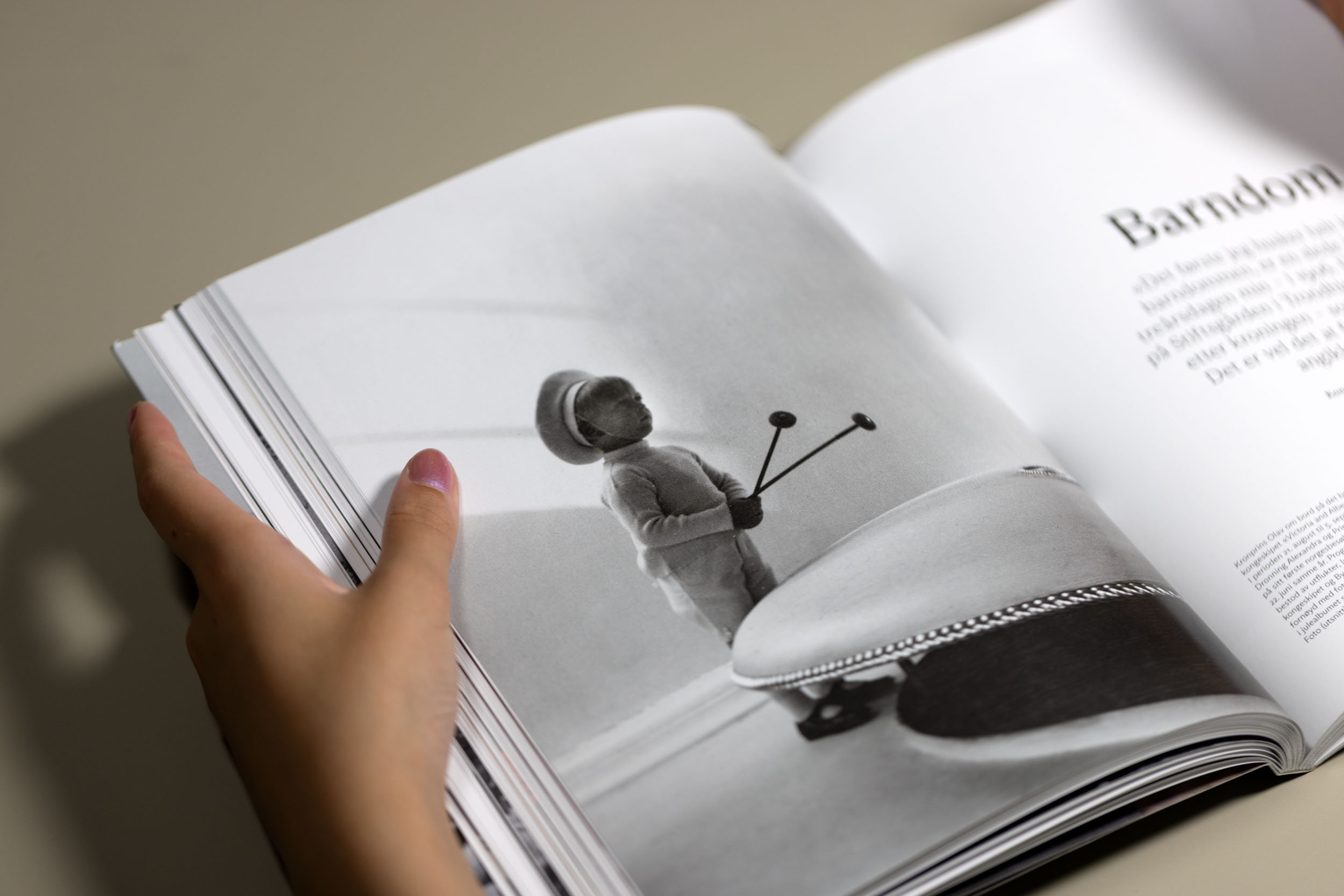
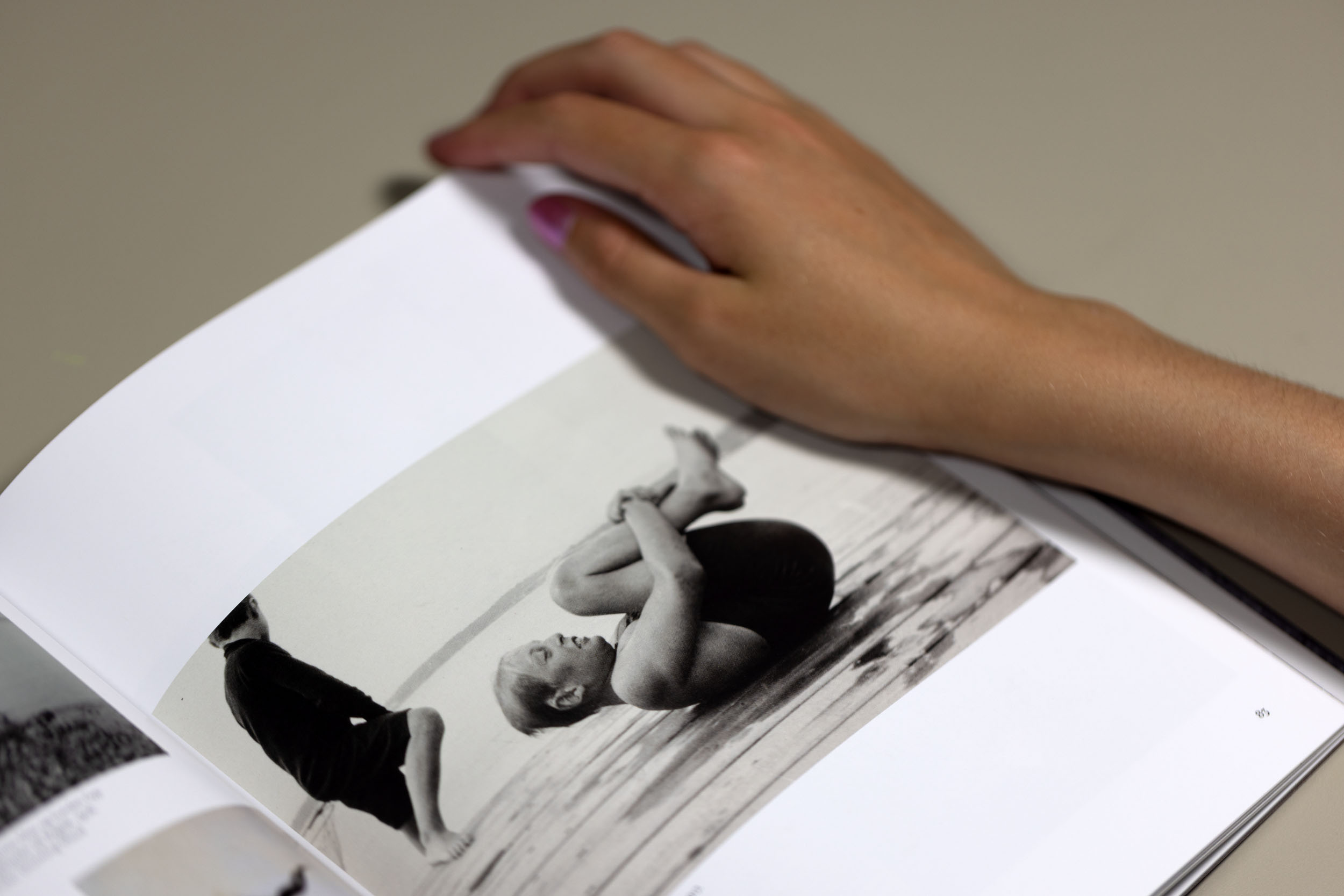
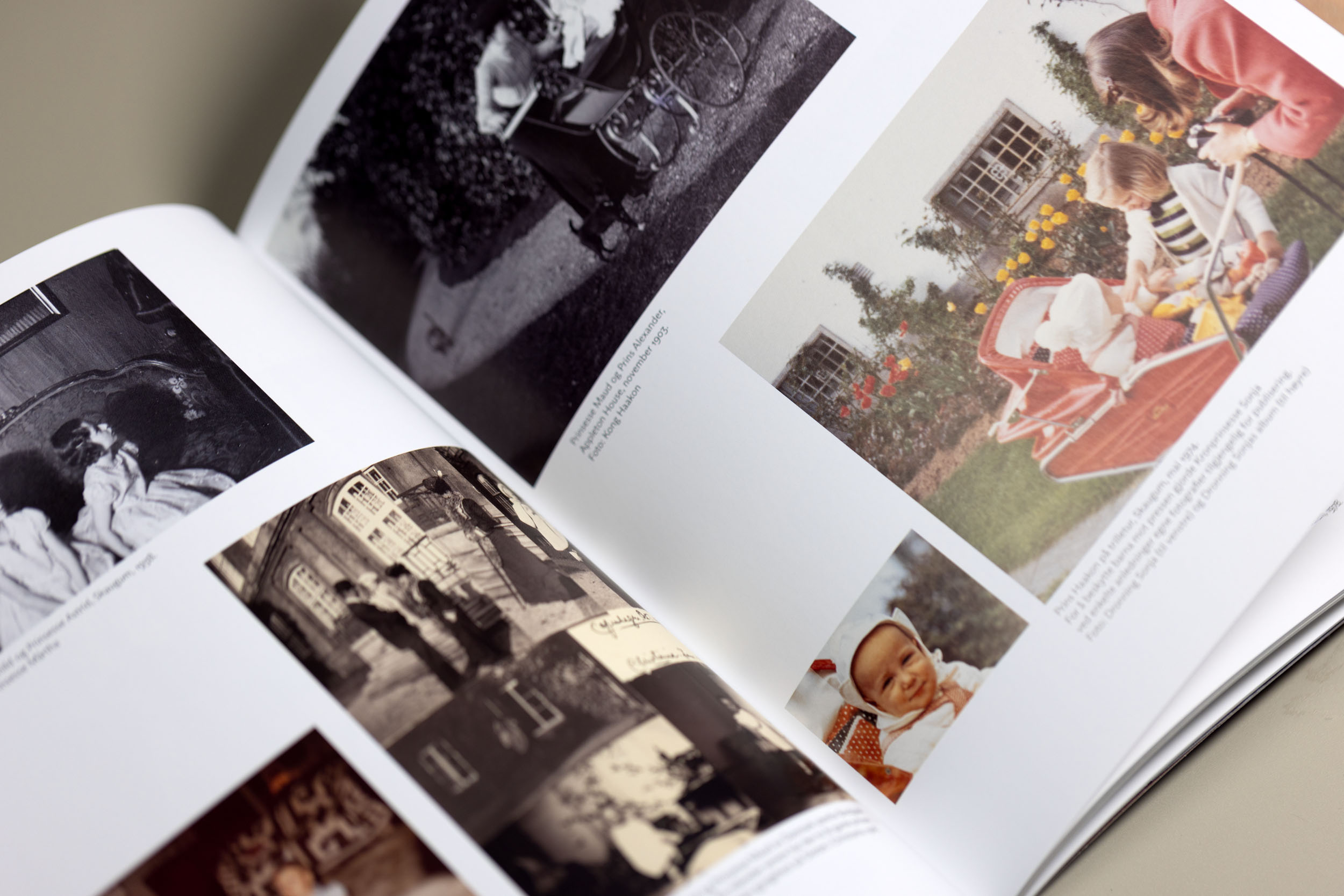
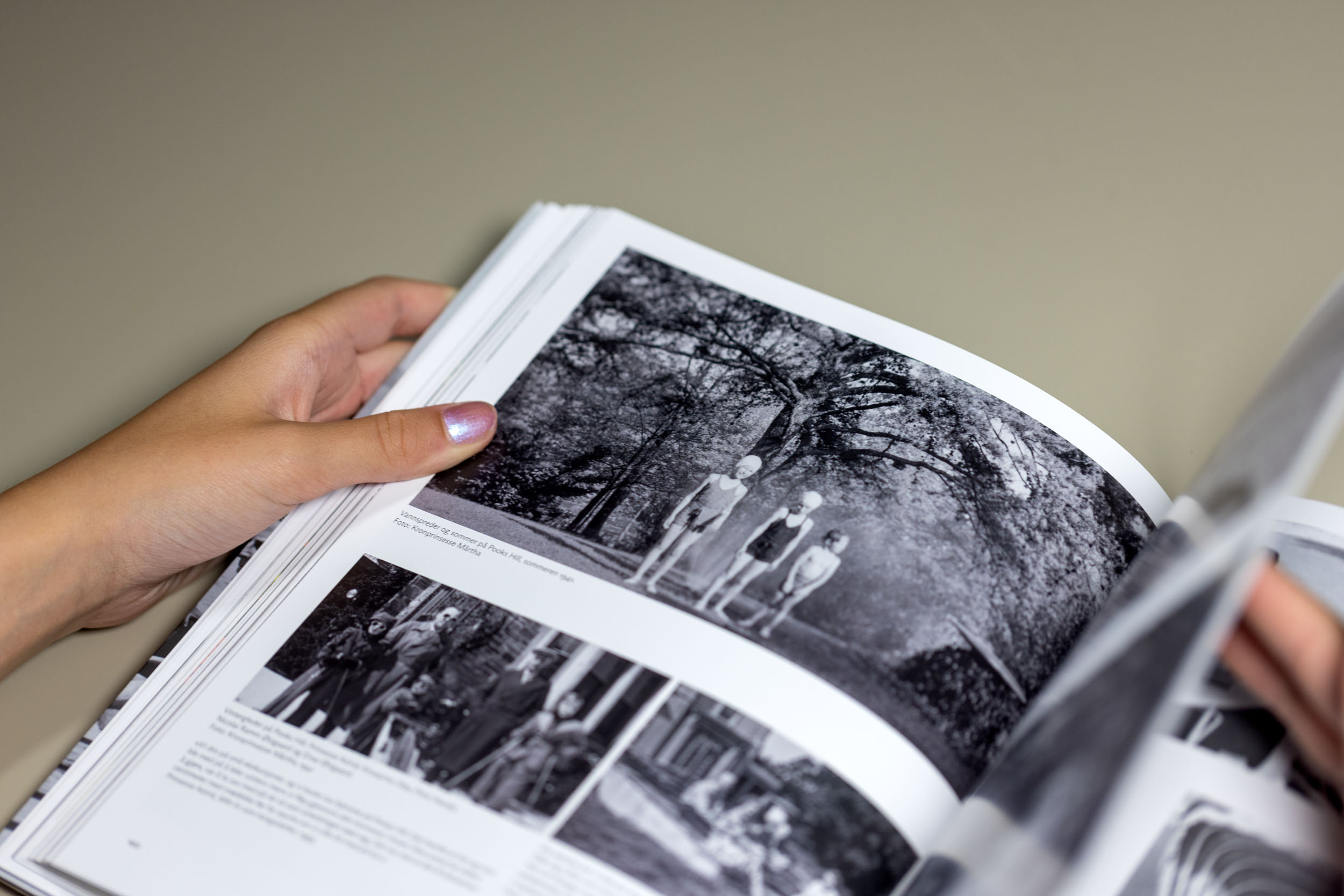
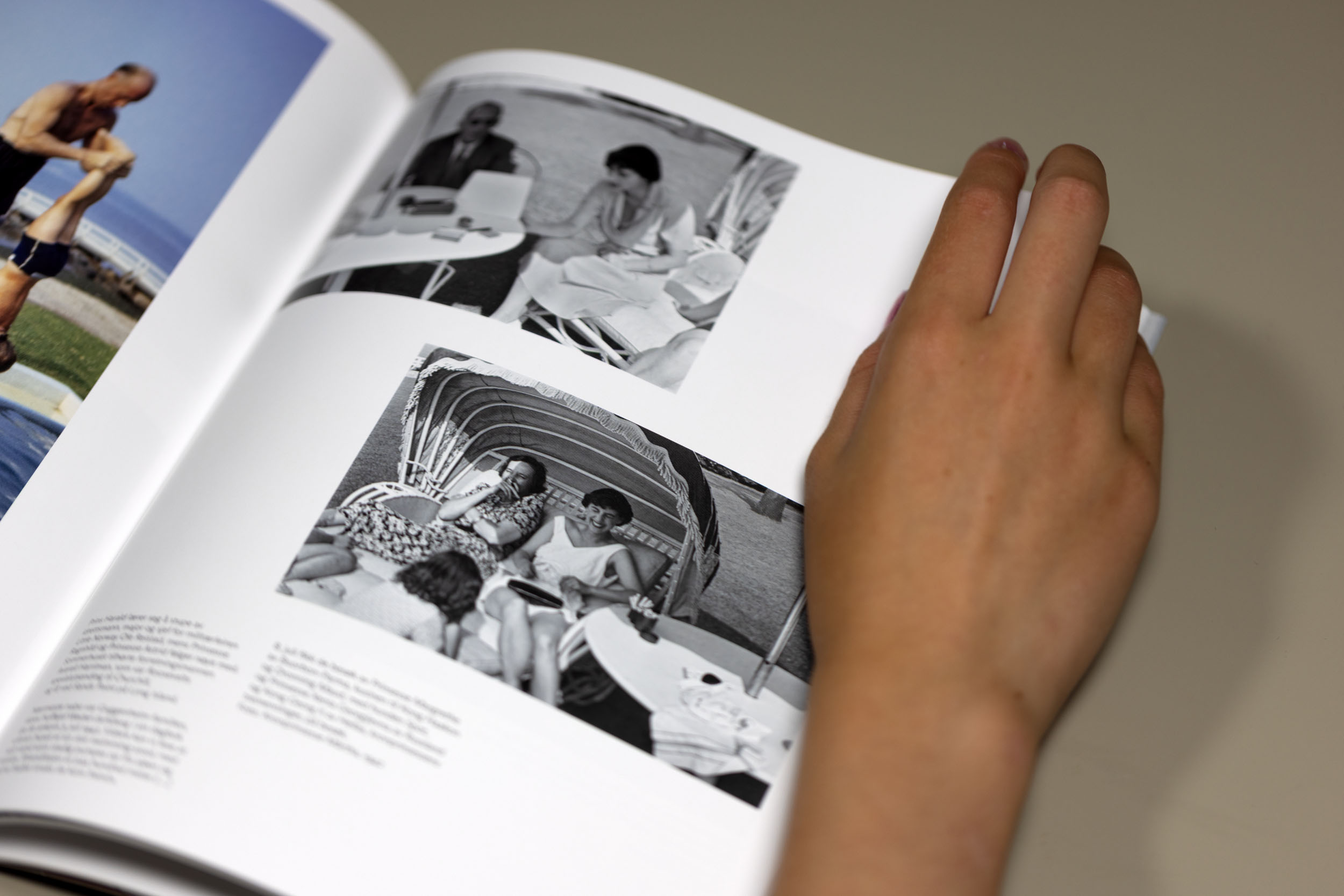
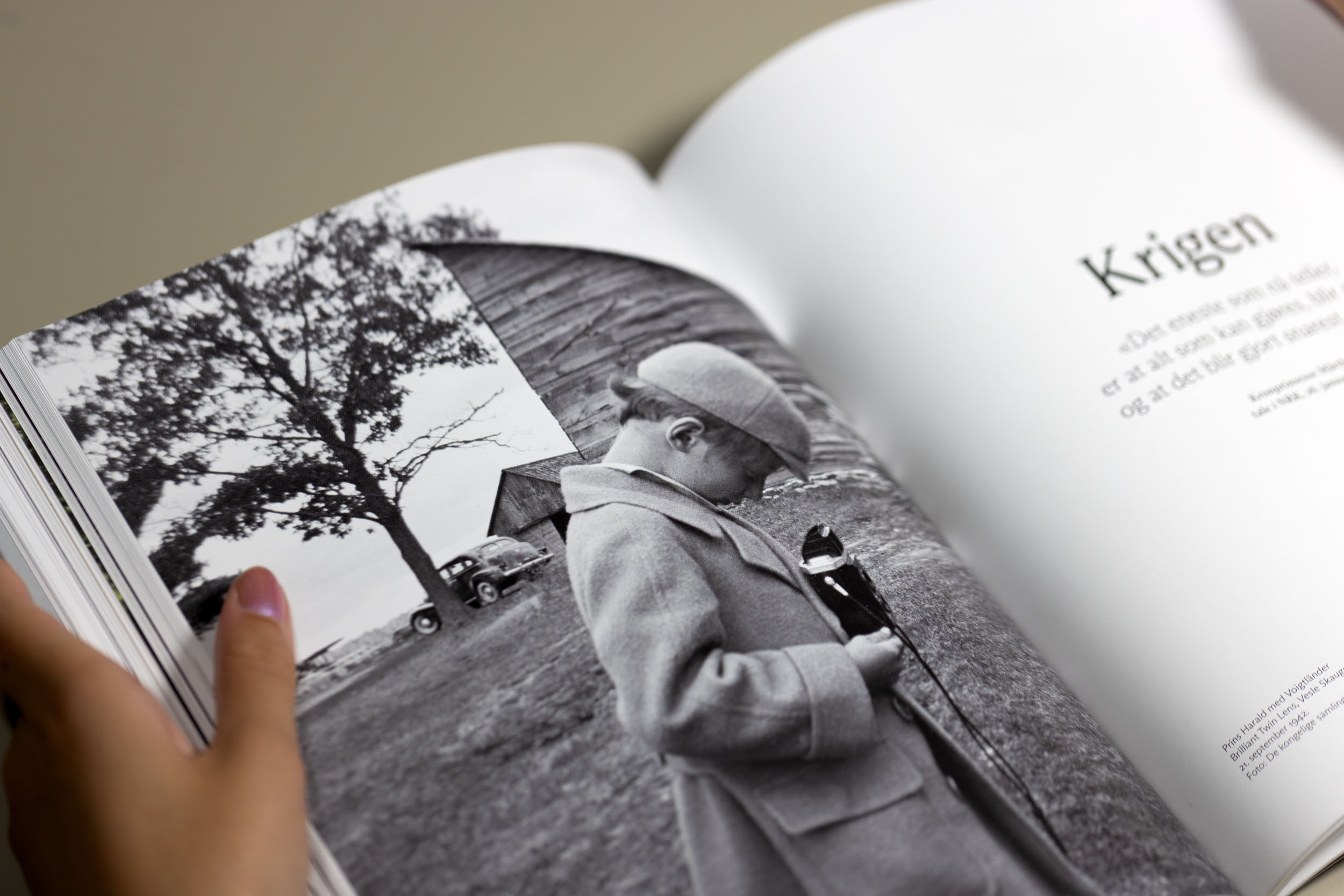
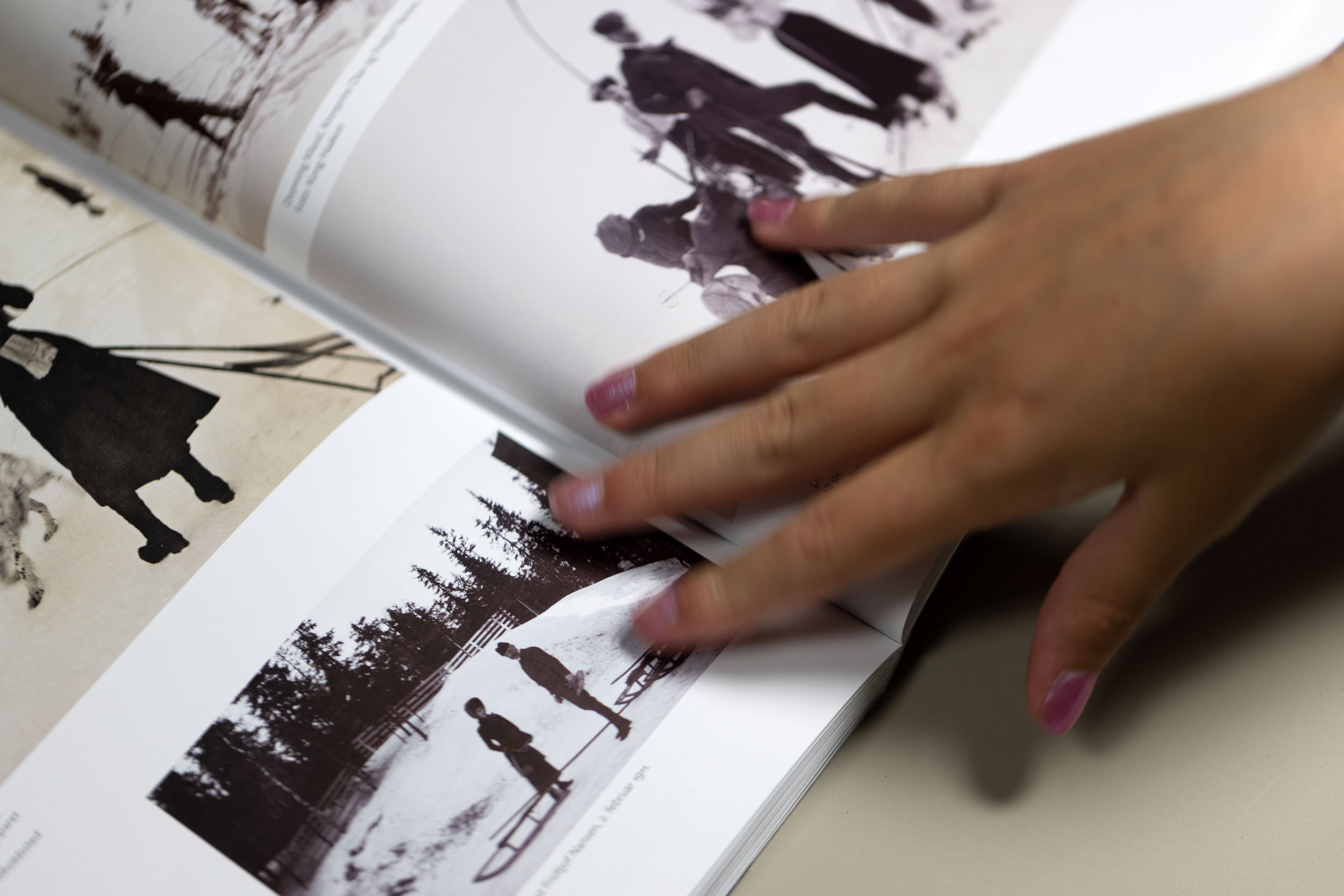
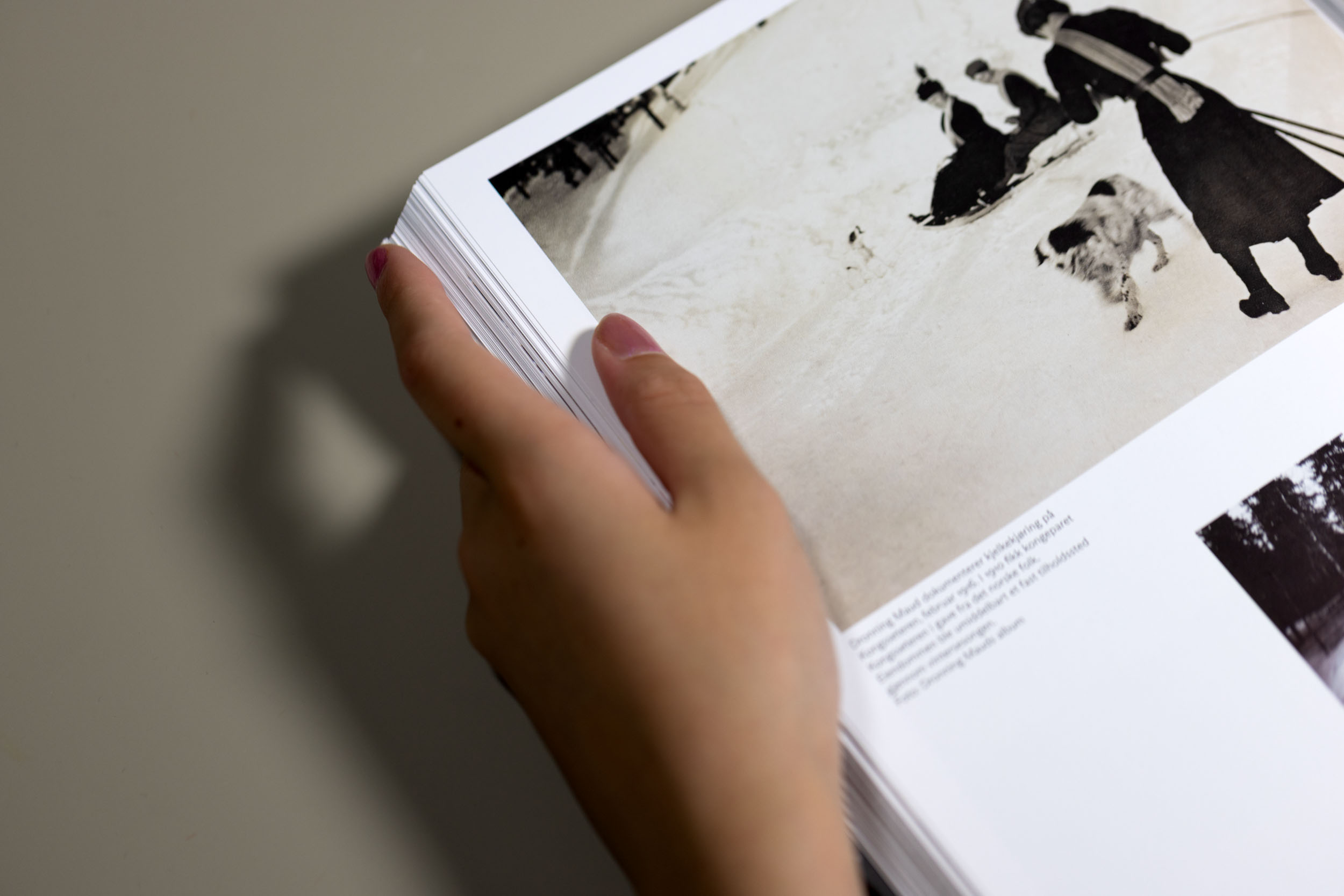
Snapshots capture the many events of our everyday lives, from the recording of a child’s first steps, or siblings enjoying each other’s company, to a decisive moment in a skiing competition, or simply a fishing trip. The term was first used in 1860 by chemist and photographer Sir John Herschel, who wrote in The Photographic News that soon, it would be possible to take “[…] a photograph, as it were, by a snapshot – of securinga picture in a tenth of a second of time”. This proved to be true. The cameras in use by the late 19th century were smaller and easier to handle, and boasted faster shutter speeds. Continuous advances in film chemistry, such as the transition from glass negatives to less fiddly film rolls also made photography a less complicated affair. Given that it was now much easier to quickly grab one’s camera, it was all the more possible for a photographer to capture these snapshots – an event, a moment, a movement, or even a loving glance.
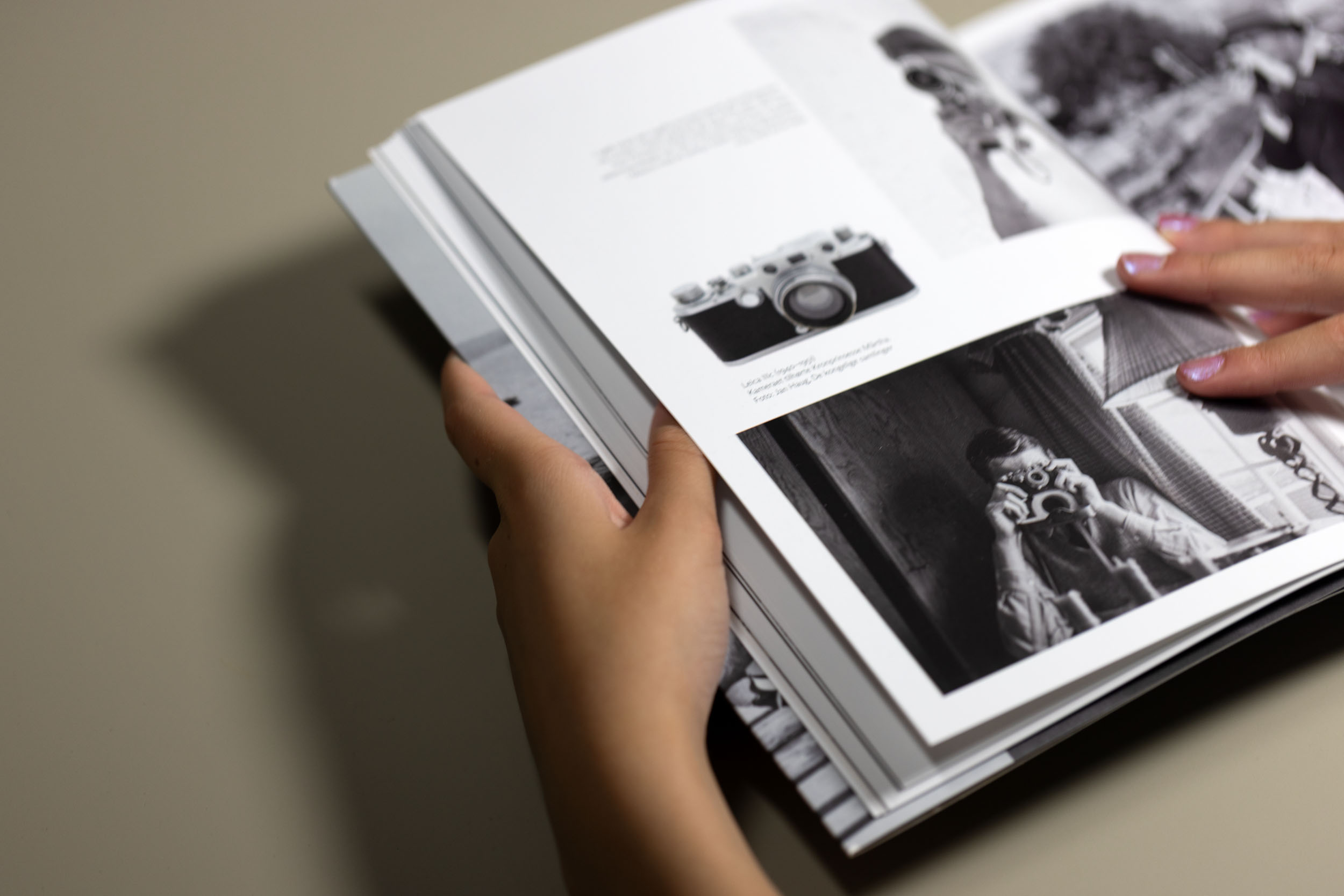
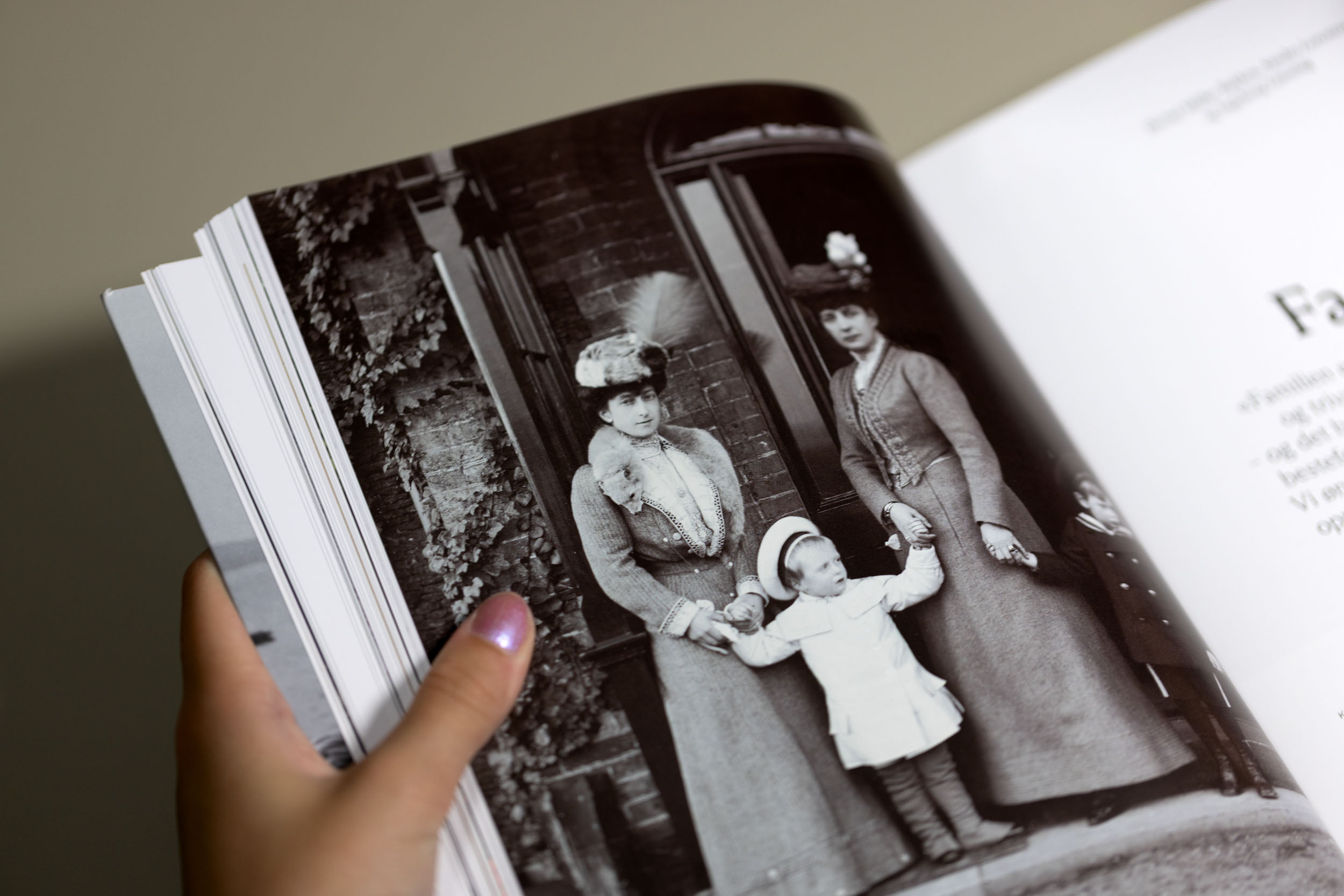
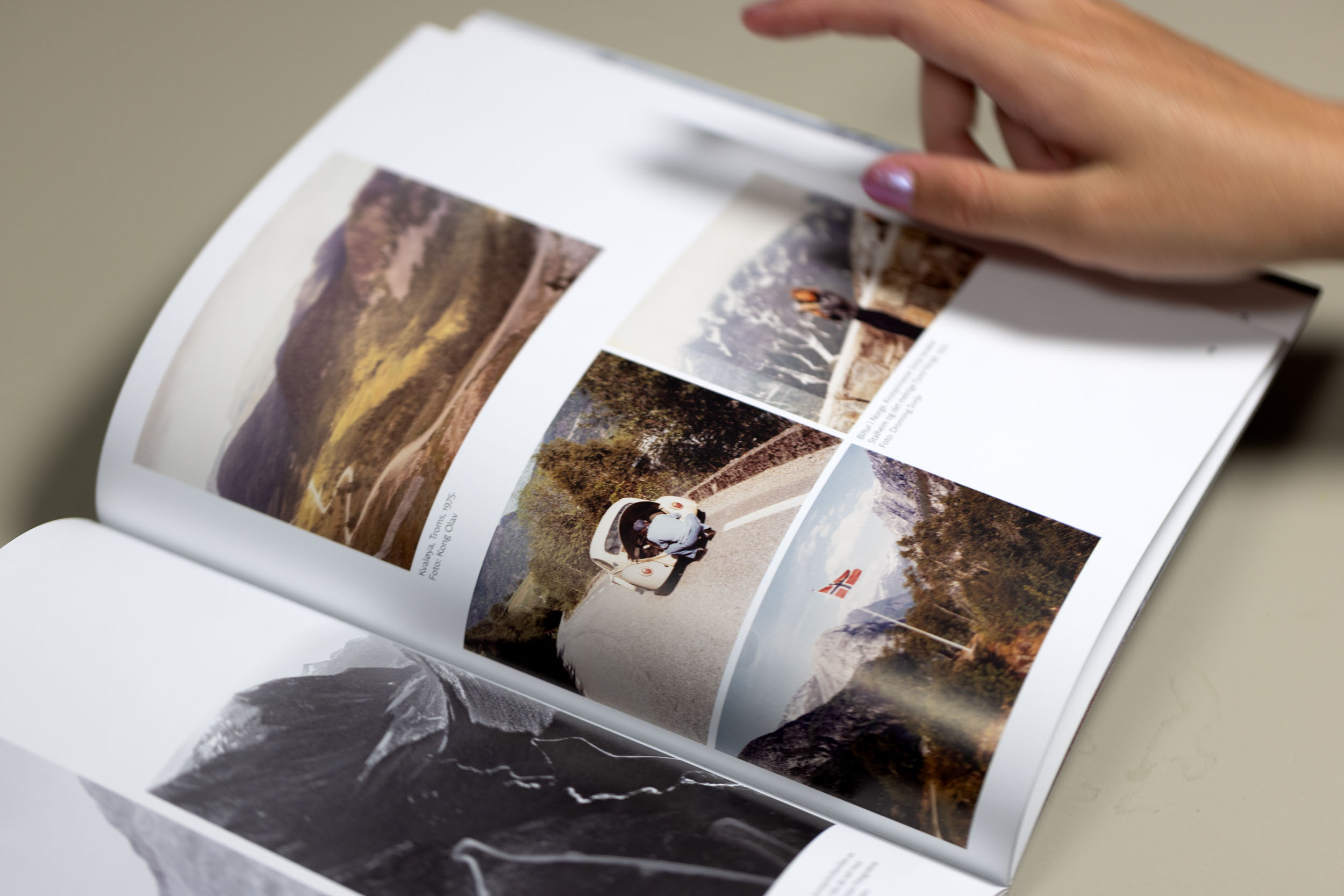
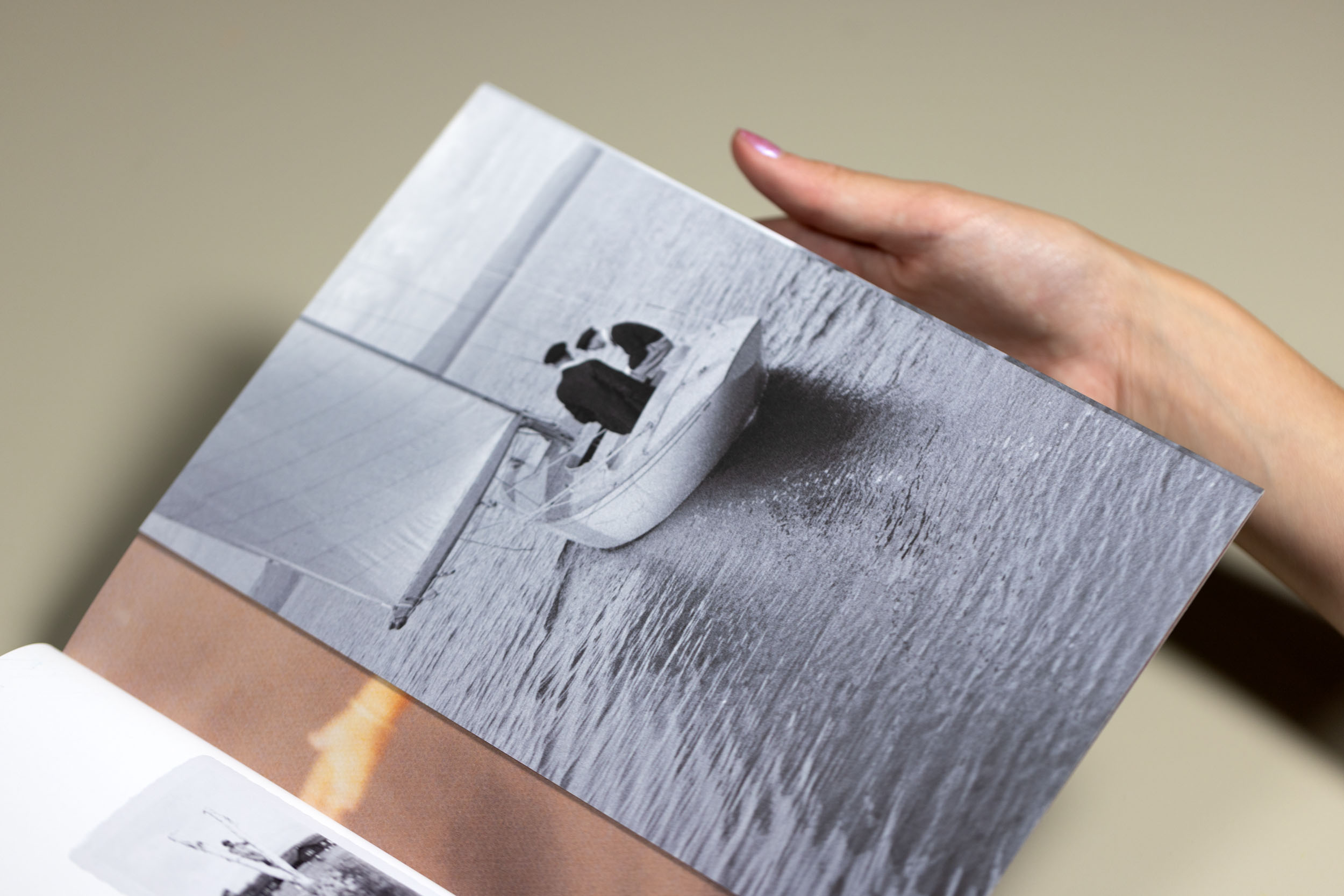
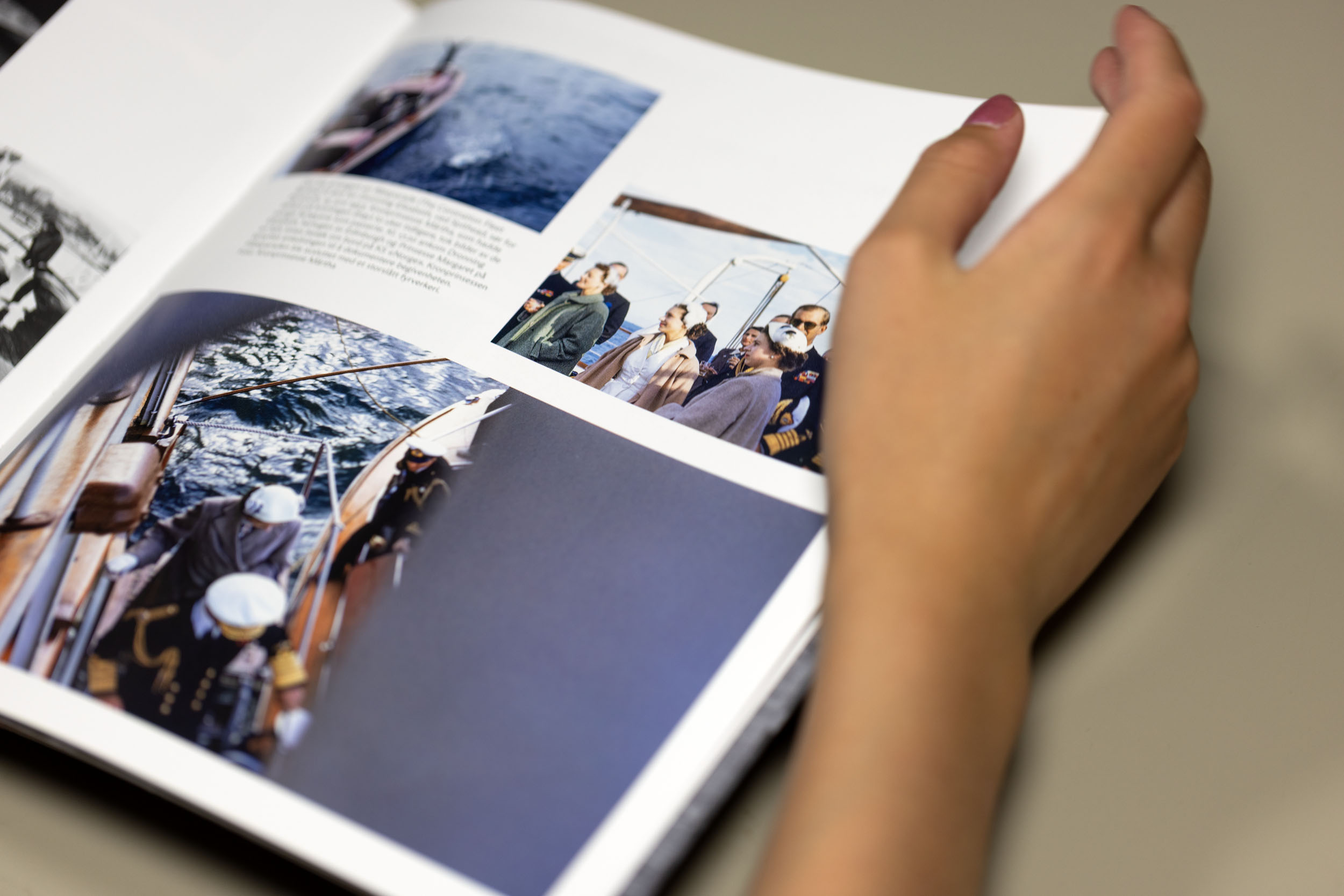
The timeframe covered by the Royal Photographers exhibition ranges from the reign of Queen Maud and King Haakon to that of Queen Sonja and King Harald and shows moments captured with “point-and-shoot” cameras. These photos offer us glimpses of personal moments in the lives of the Norwegian royal family. However, through the collection, the viewer can also recognise a common culture. Many of the photos portray the royals on holidays and trips, the very same moments we tend to pull our cameras out and take a few photos – they, too, depict family relationships, childhood memories, Easter holidays spent at the cabin and in the mountains,and summer days enjoyed by the sea.
The photos taken by the royal family themselves may look like those taken by any other family, yet they differ significantly. The moments they share as a family are not private, like those of other people, rather theirs become part of Norwegian history.
(From the catalogue introduction)
Published for the exhibition
Royal Photographers – Snapshots from 1890 to 1990
16 February 2024–19 January 2025
Queen Sonja Art Stable
The design project includes a catalogue as well as promotional material and ads.
The Royal Collections
The Royal Court
© Det kongelige hoff/The Royal Court 2024
ISBN 978-82-8106-044-9
2024
20 x 25 cm
152 pages
Language: Norwegian/English
Curators of the exhibition and editors of the catalogue:
Sandra Lorentzen, Øivind Möller Bakken, Ingeborg Lønning
Texts by:
H.M. Queen Sonja
Gunhild Varvin
Sandra Lorentzen
Øivind Möller Bakken
Ingeborg Lønning
Marie Fongaard Seim
Hege Oulie
Anja Hysvær Langgåt
Proofreading and translation:
Totaltekst
Design: Halvor Bodin
Repro: Øivind Möller Bakken/Halvor Bodin
Printer: TS Trykk, Oslo
Bookbinder: Bokbinderiet Johnsen
Typography: ABC Arizona
Paper: MultiArt Silk, 170 g/m2
Paper, cover: Algro Design Advanced, 350 g/m2
Royal photographers:
Dronning Alexandra (1844–1925)
Kong Haakon (1872–1957)
Dronning Maud (1869–1938)
Prinsesse Victoria (1868–1935)
Kong Olav (1903–1991)
Kronprinsesse Märtha (1901–1954)
Kong Harald (1937– )
Dronning Sonja (1937– )
Kronprins Haakon (1973– )
ISBN 978-82-8106-044-9
2024
20 x 25 cm
152 pages
Language: Norwegian/English
Curators of the exhibition and editors of the catalogue:
Sandra Lorentzen, Øivind Möller Bakken, Ingeborg Lønning
Texts by:
H.M. Queen Sonja
Gunhild Varvin
Sandra Lorentzen
Øivind Möller Bakken
Ingeborg Lønning
Marie Fongaard Seim
Hege Oulie
Anja Hysvær Langgåt
Proofreading and translation:
Totaltekst
Design: Halvor Bodin
Repro: Øivind Möller Bakken/Halvor Bodin
Printer: TS Trykk, Oslo
Bookbinder: Bokbinderiet Johnsen
Typography: ABC Arizona
Paper: MultiArt Silk, 170 g/m2
Paper, cover: Algro Design Advanced, 350 g/m2
Royal photographers:
Dronning Alexandra (1844–1925)
Kong Haakon (1872–1957)
Dronning Maud (1869–1938)
Prinsesse Victoria (1868–1935)
Kong Olav (1903–1991)
Kronprinsesse Märtha (1901–1954)
Kong Harald (1937– )
Dronning Sonja (1937– )
Kronprins Haakon (1973– )

















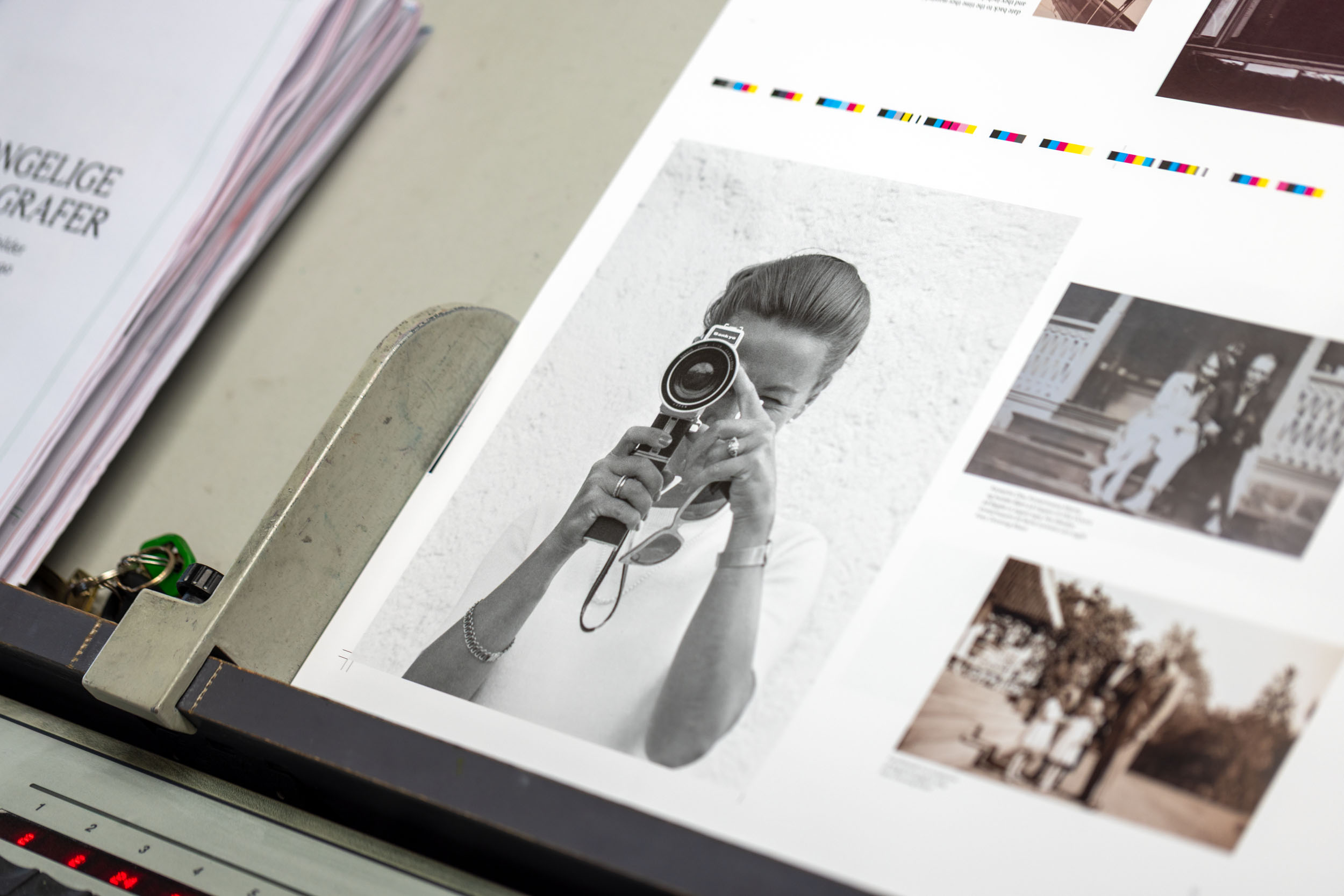


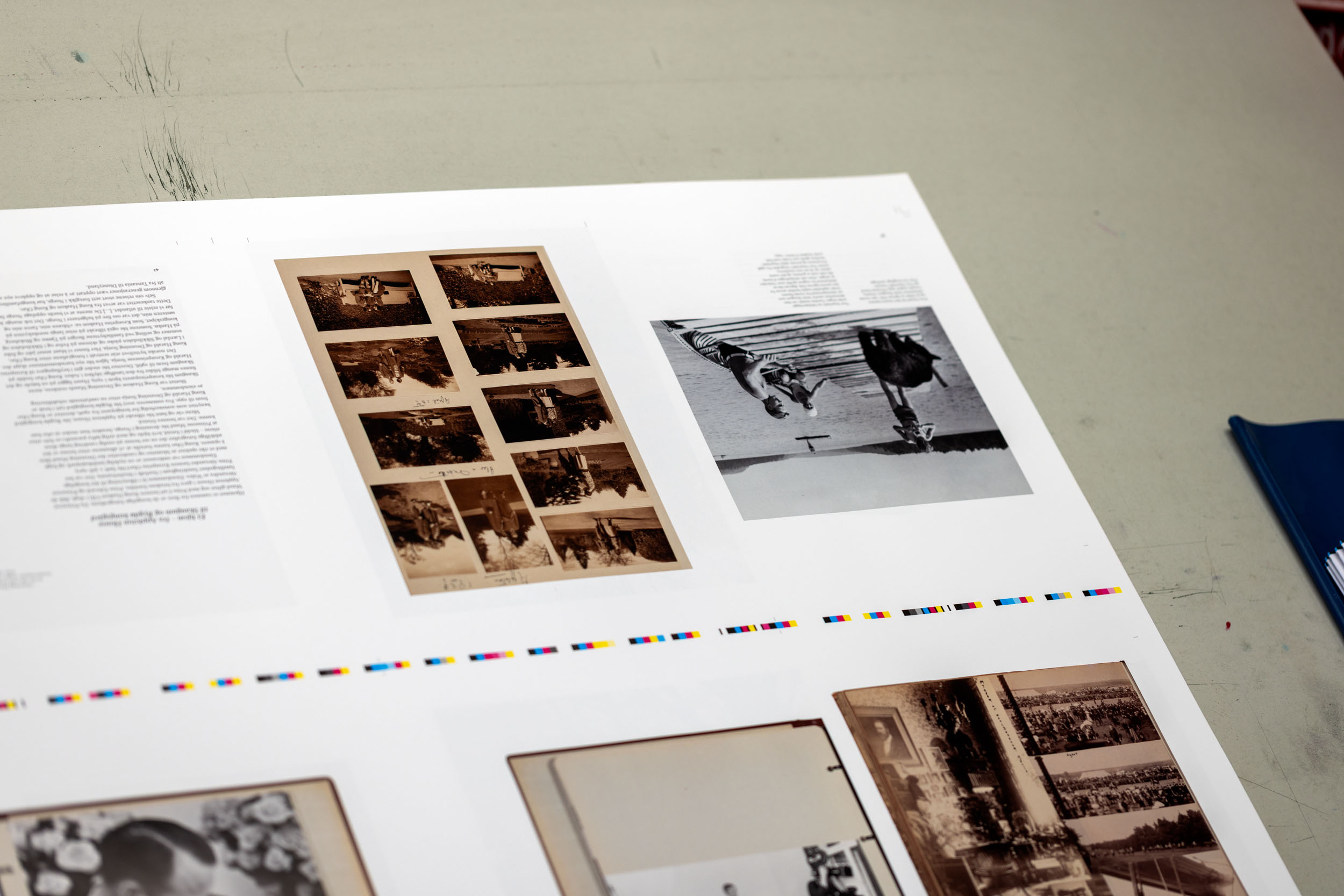


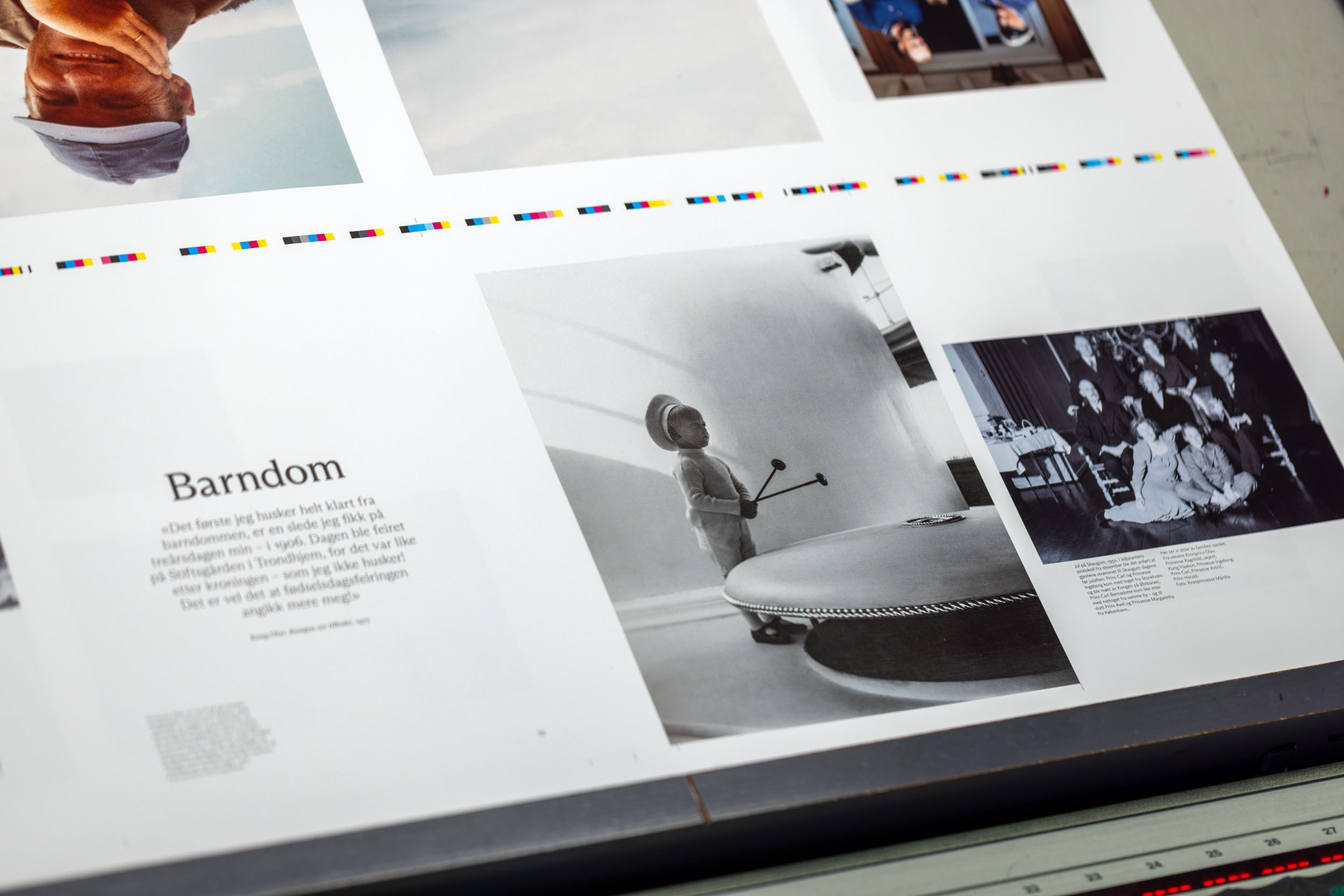


Documentation photography by Halvor Bodin

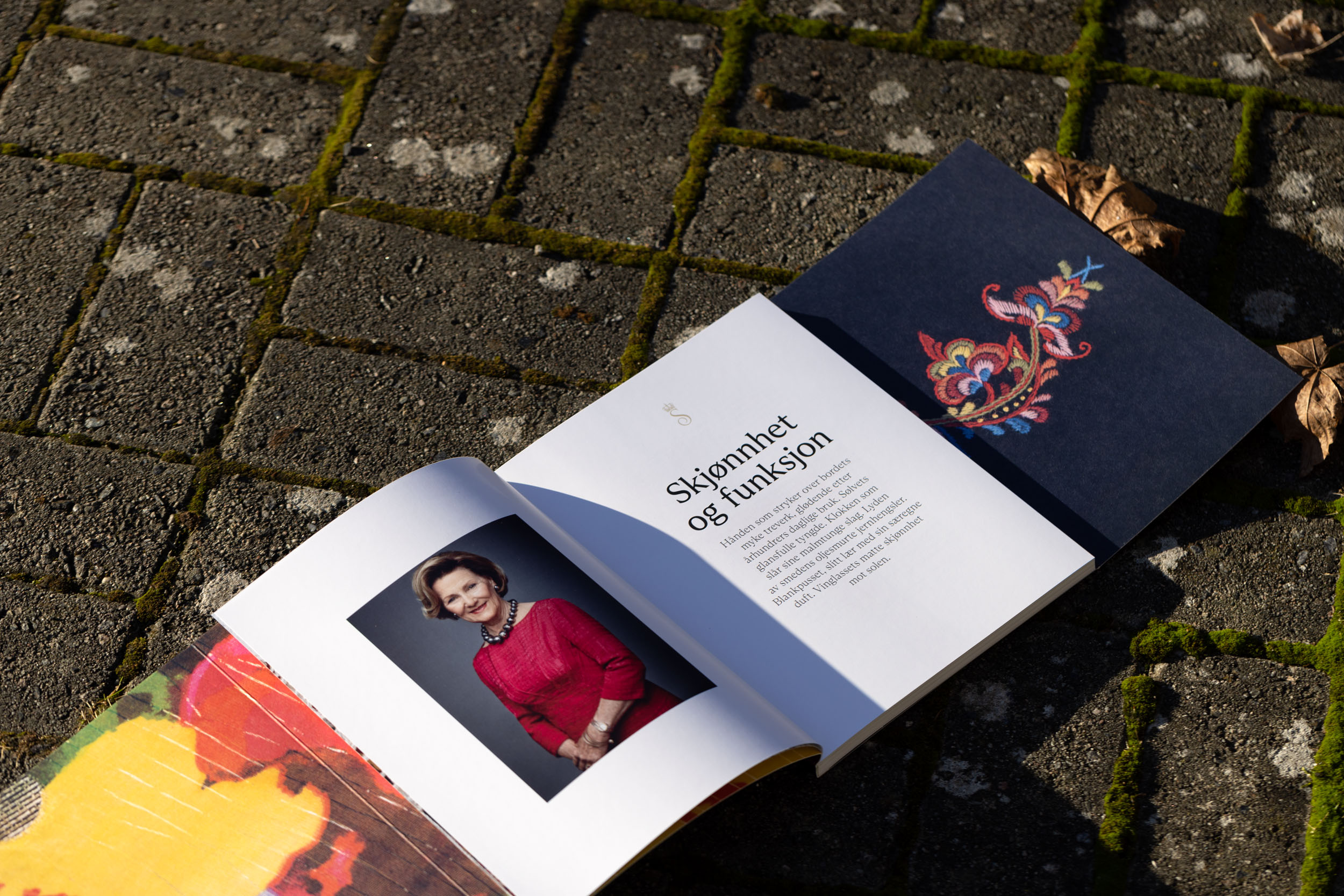



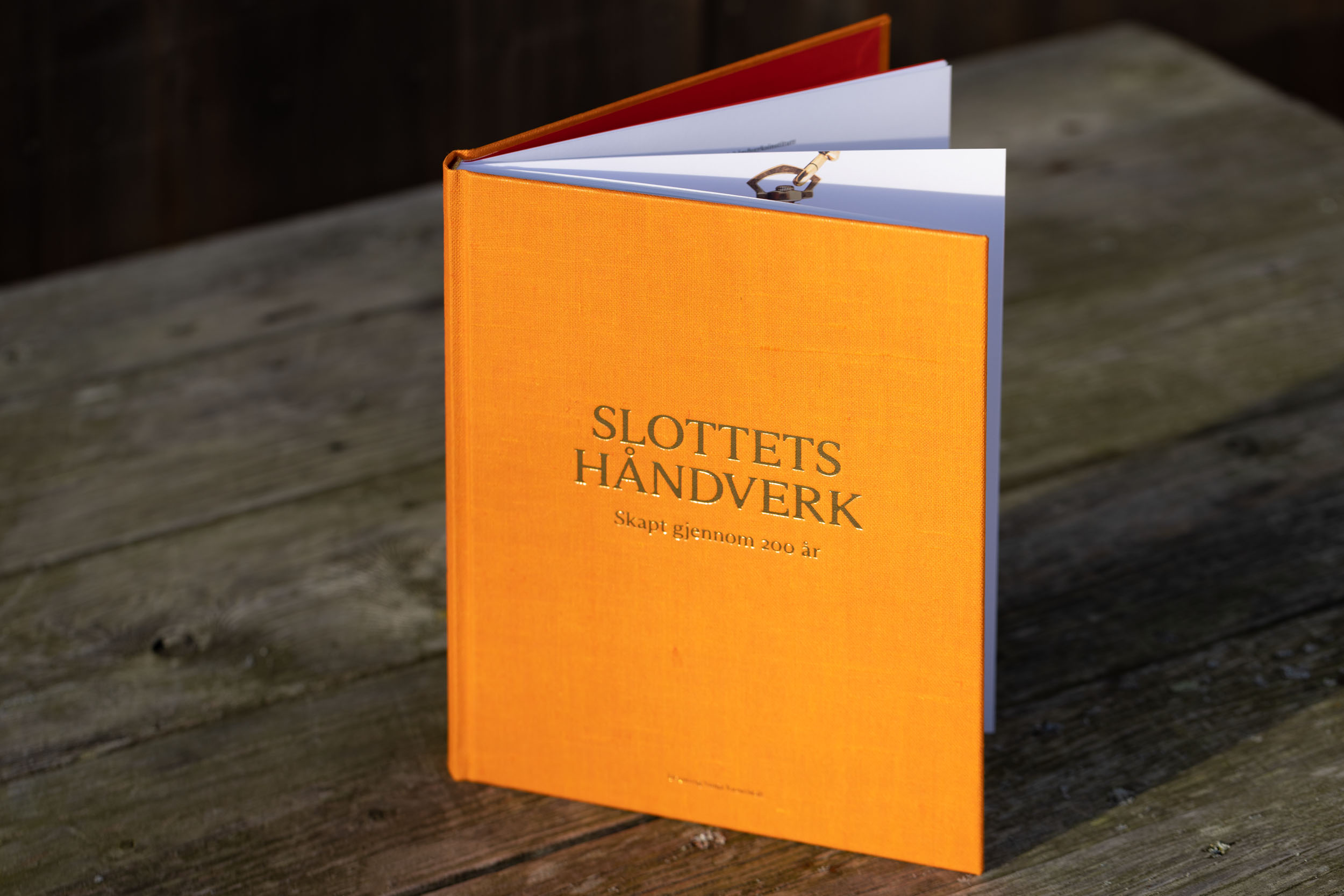
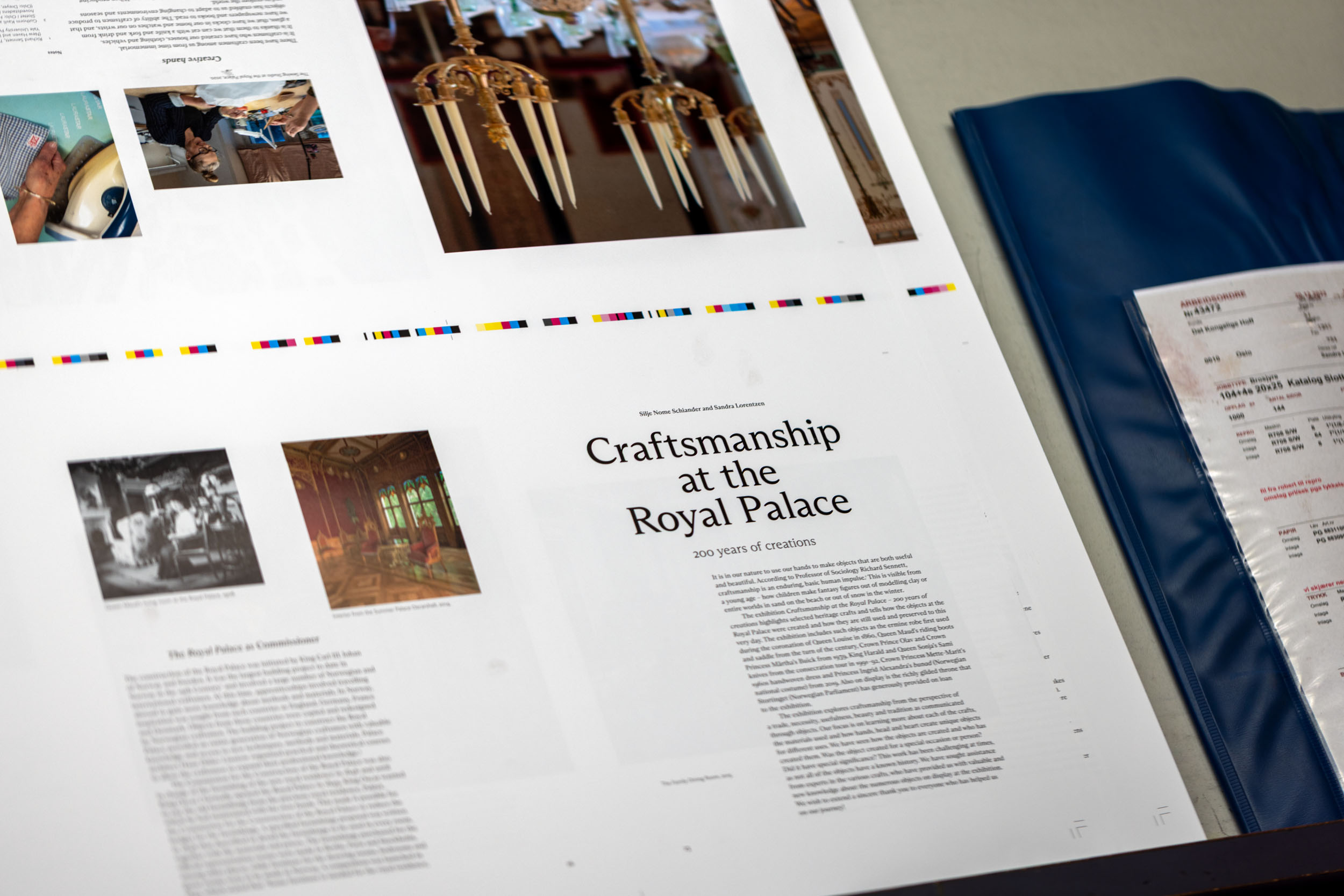
Craftmanship at the Royal Palace – 200 years of creations
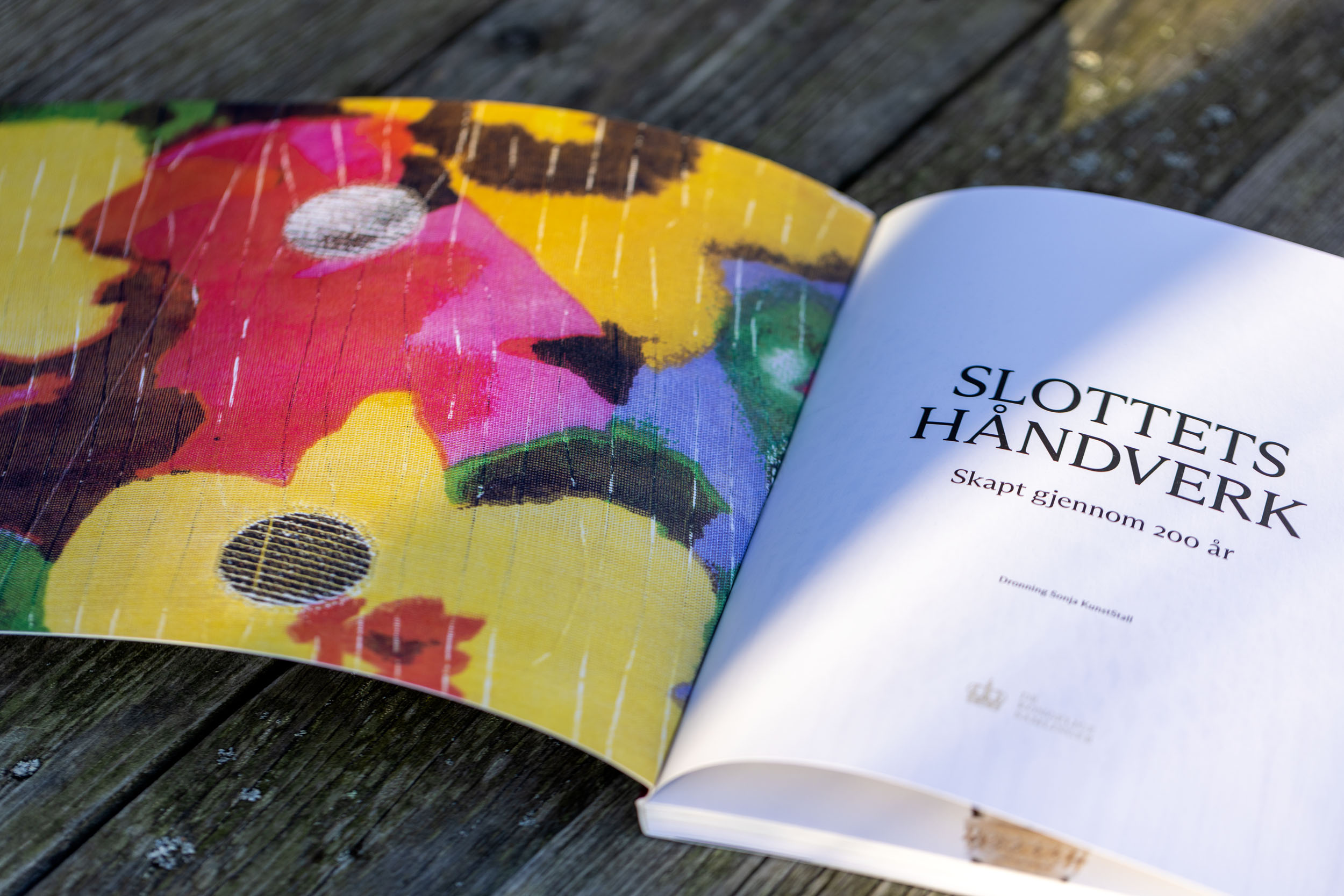
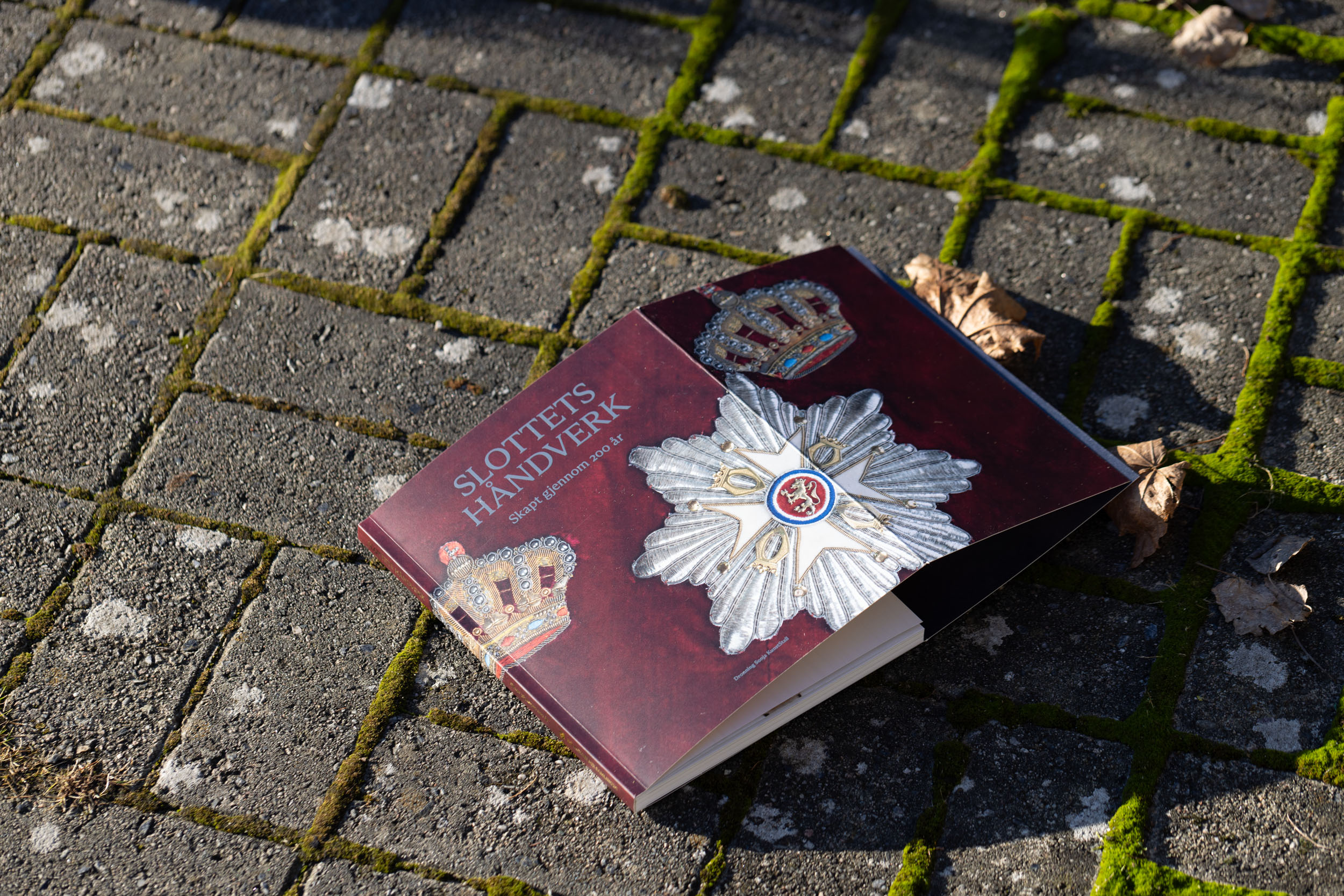
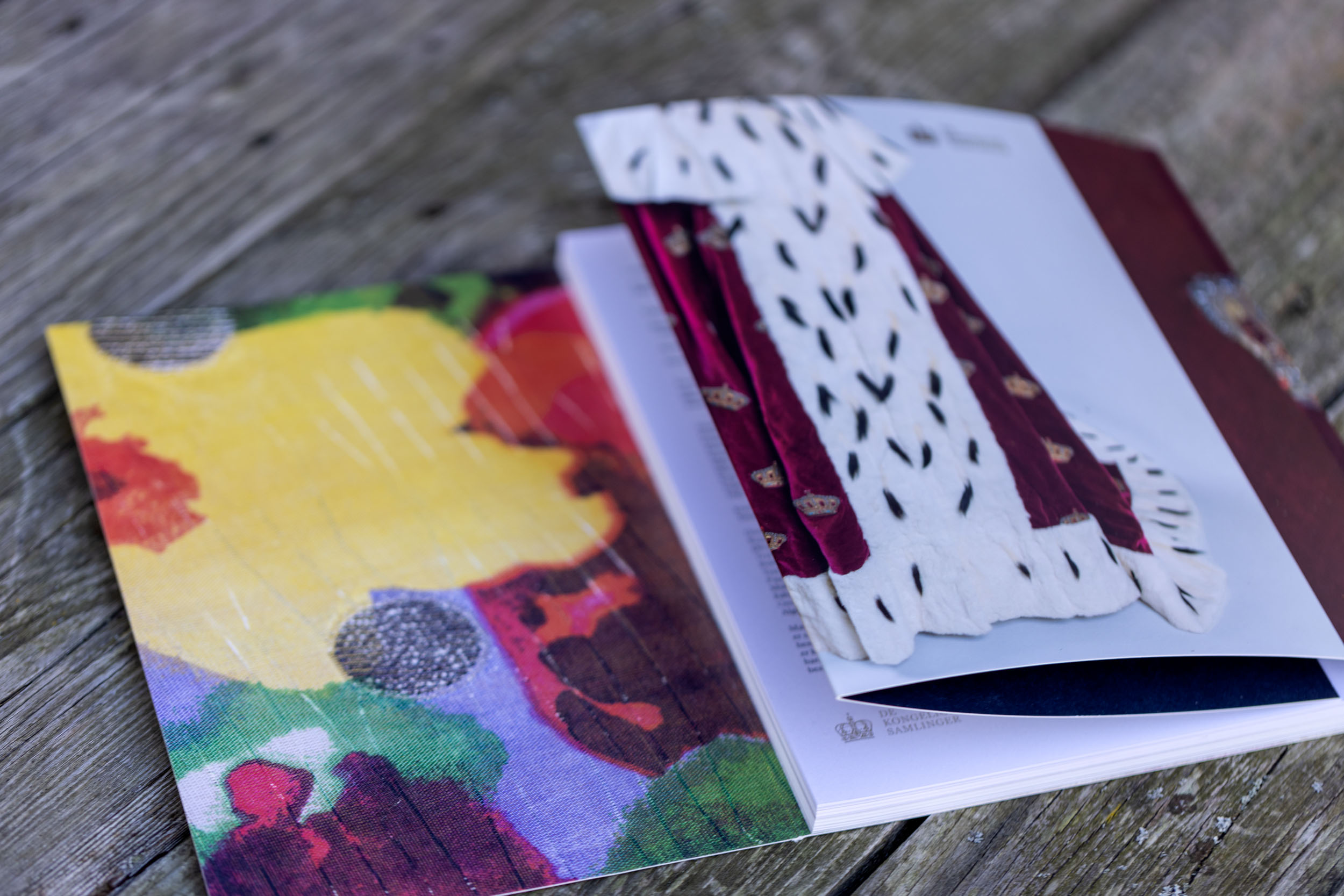
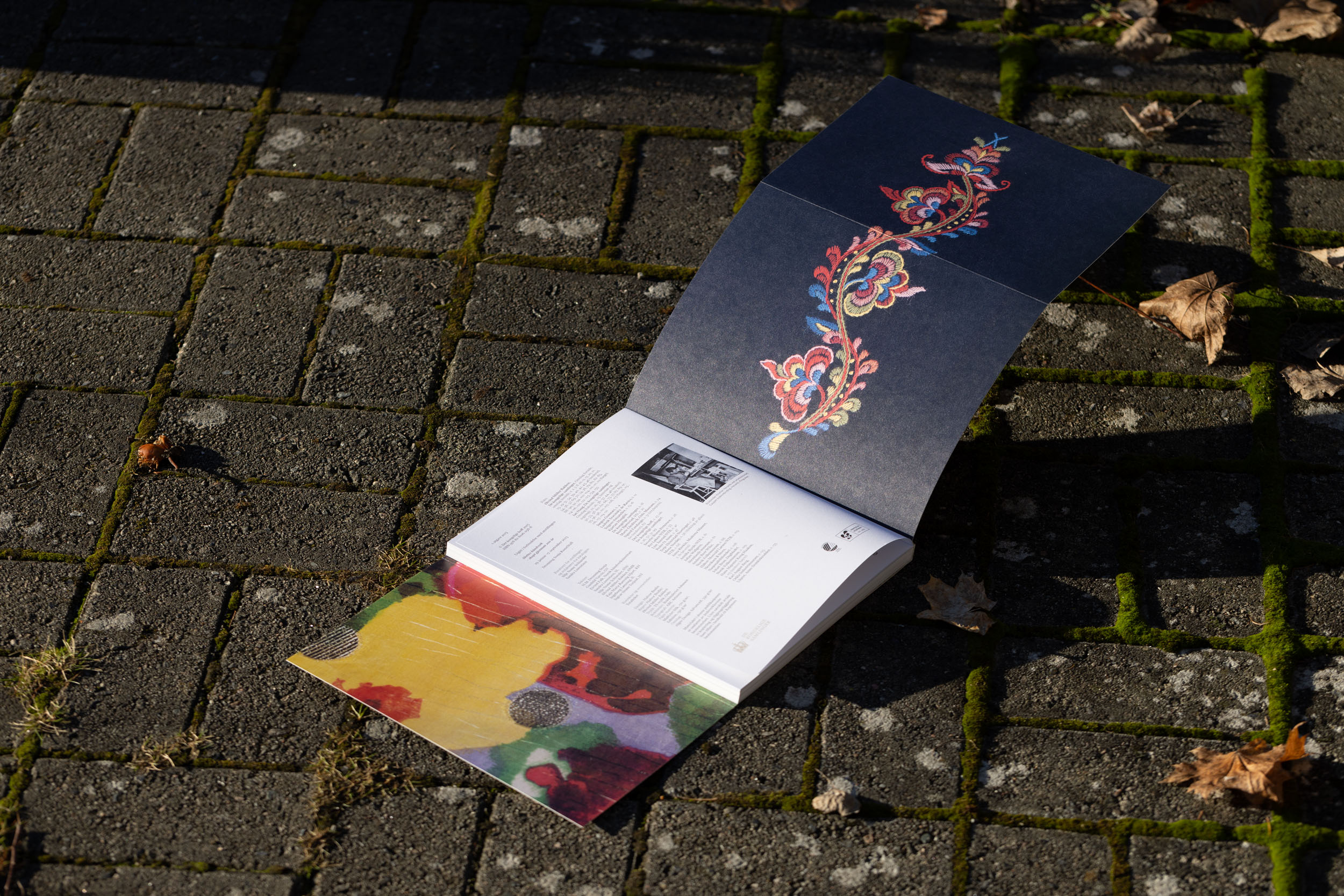
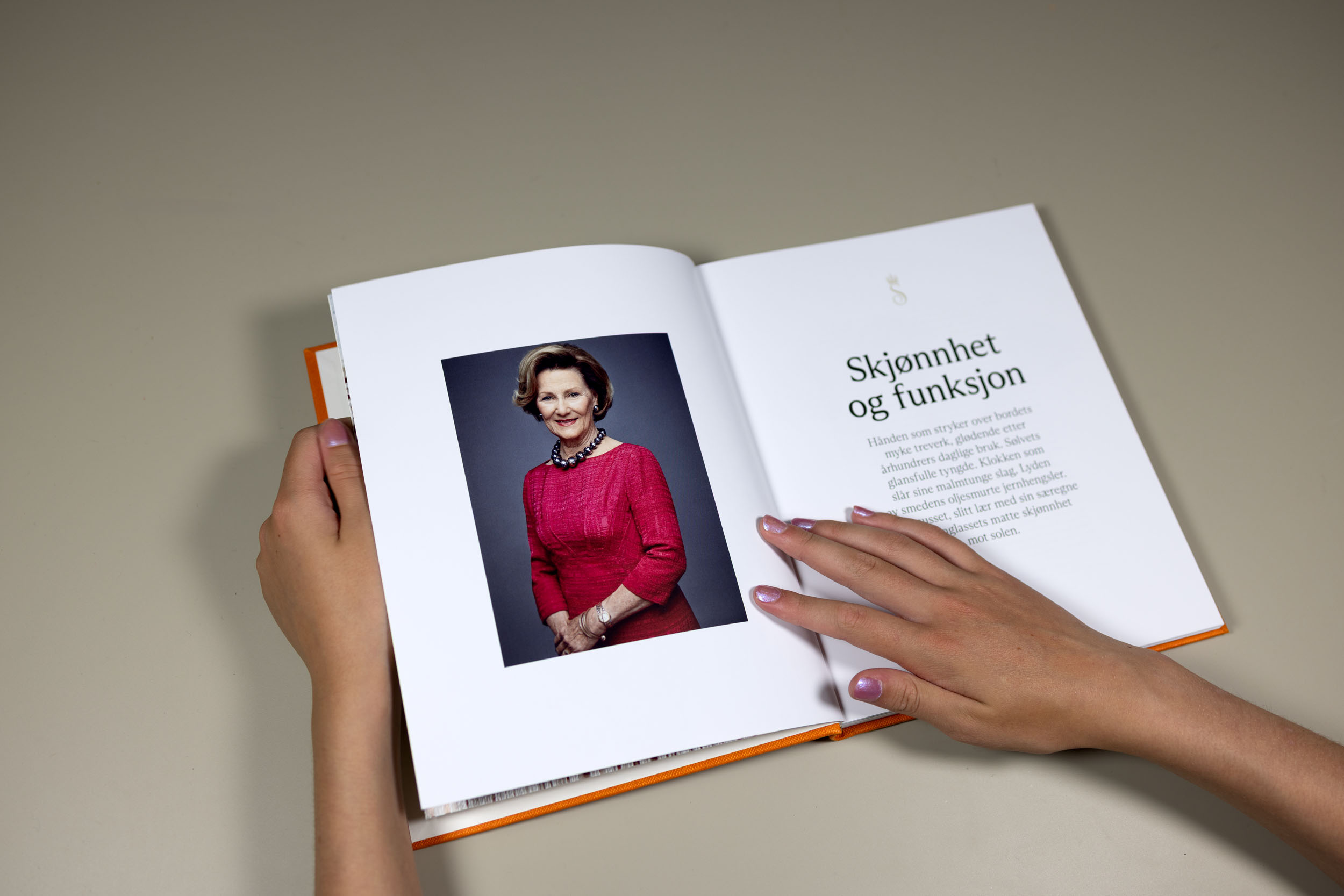
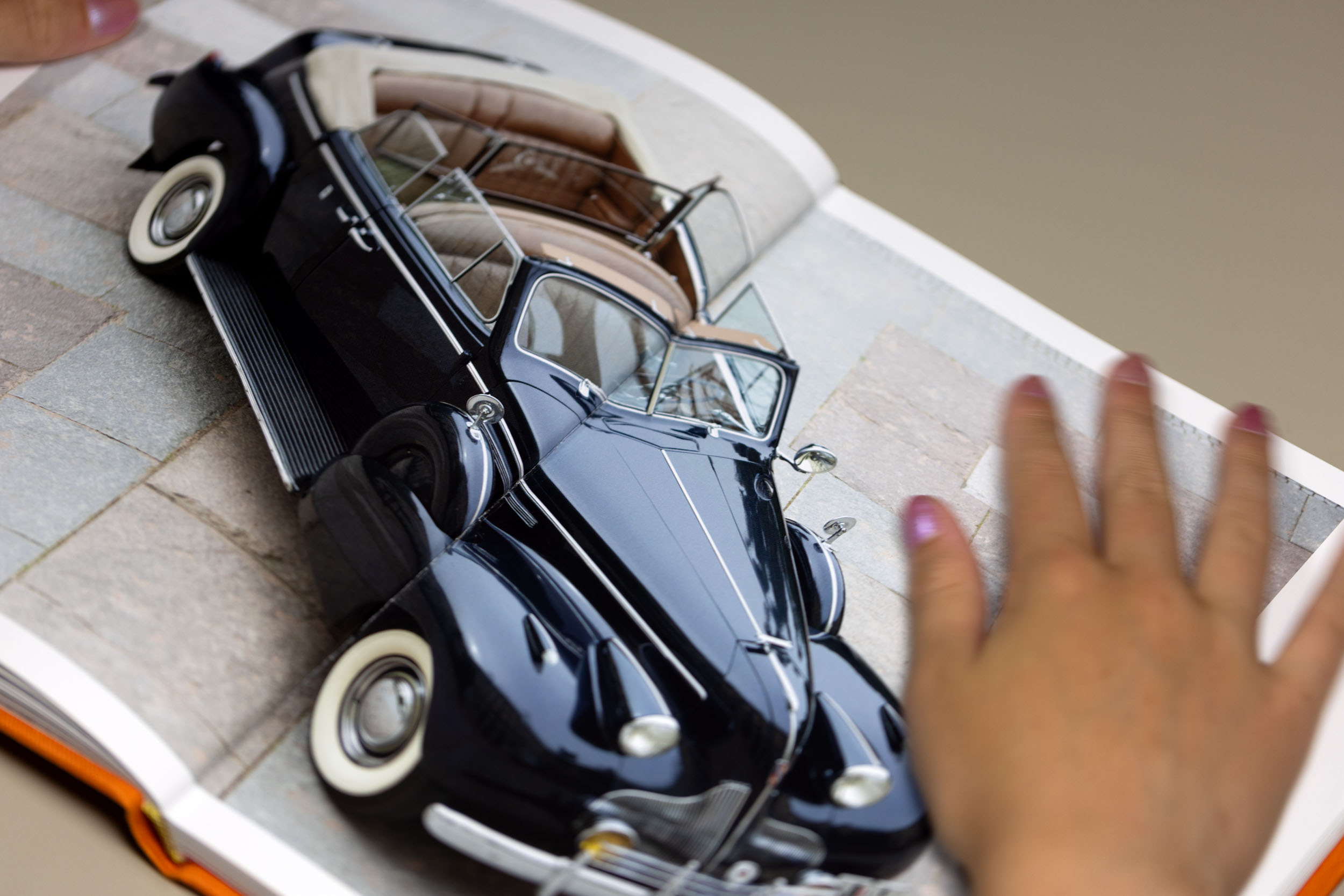
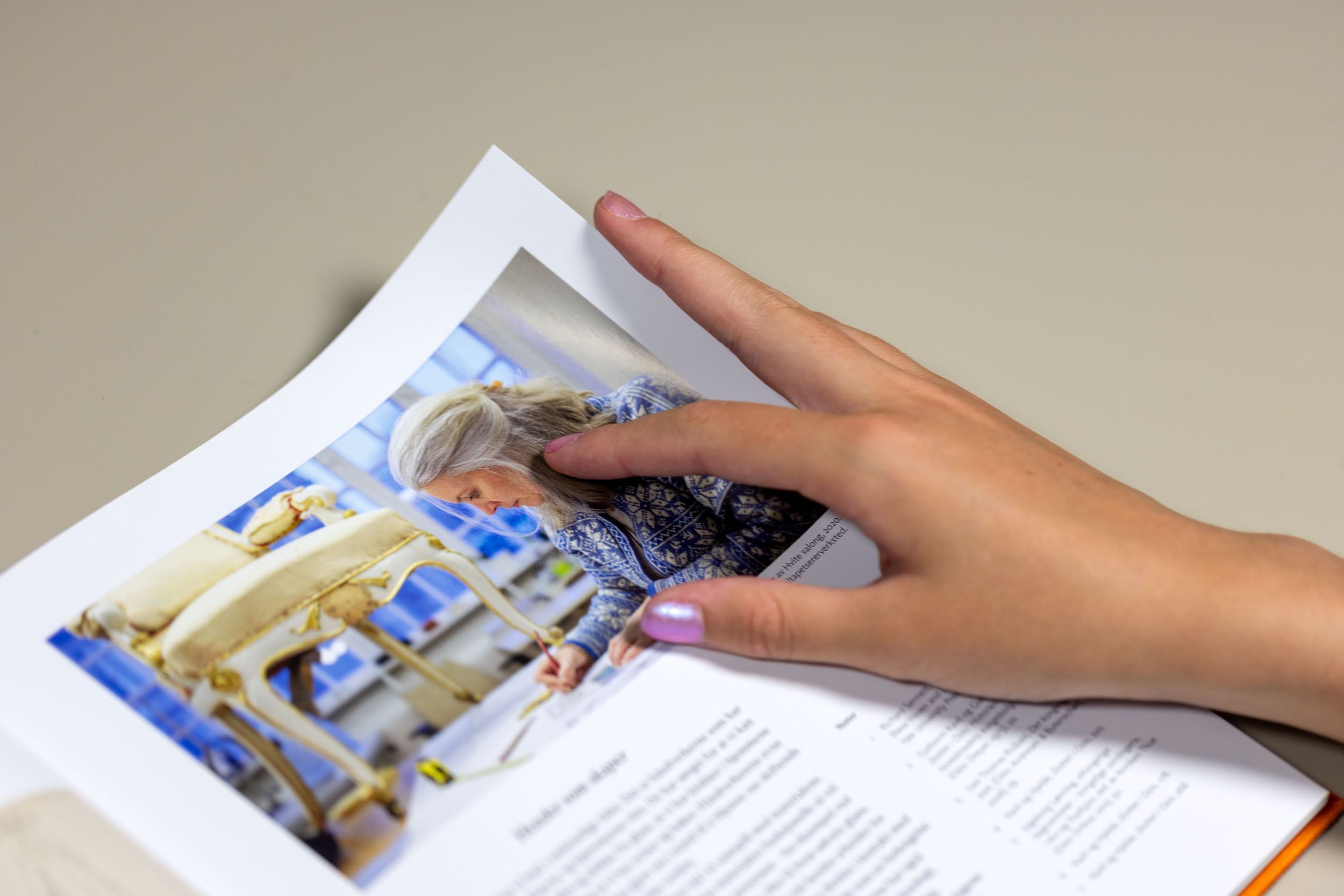
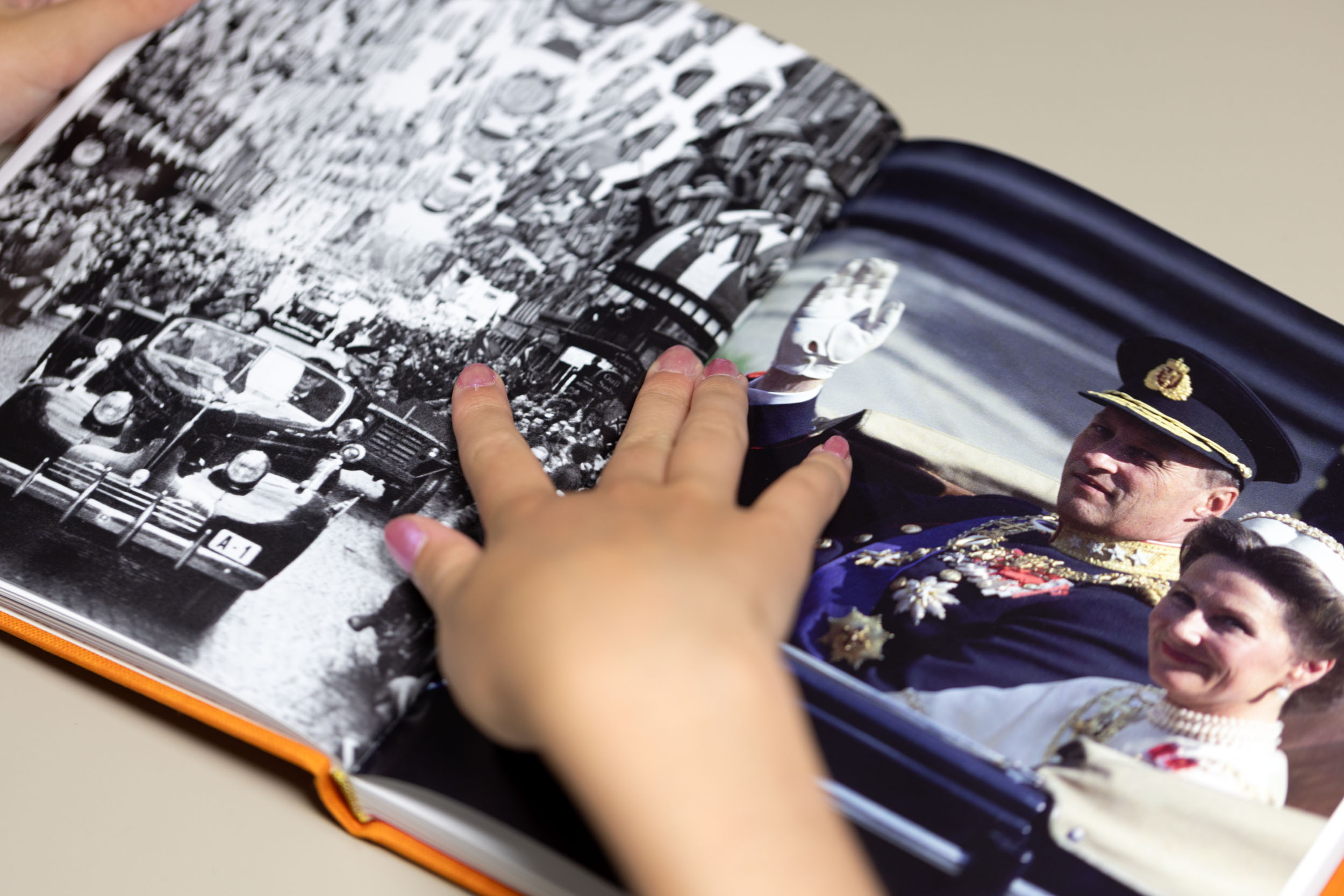
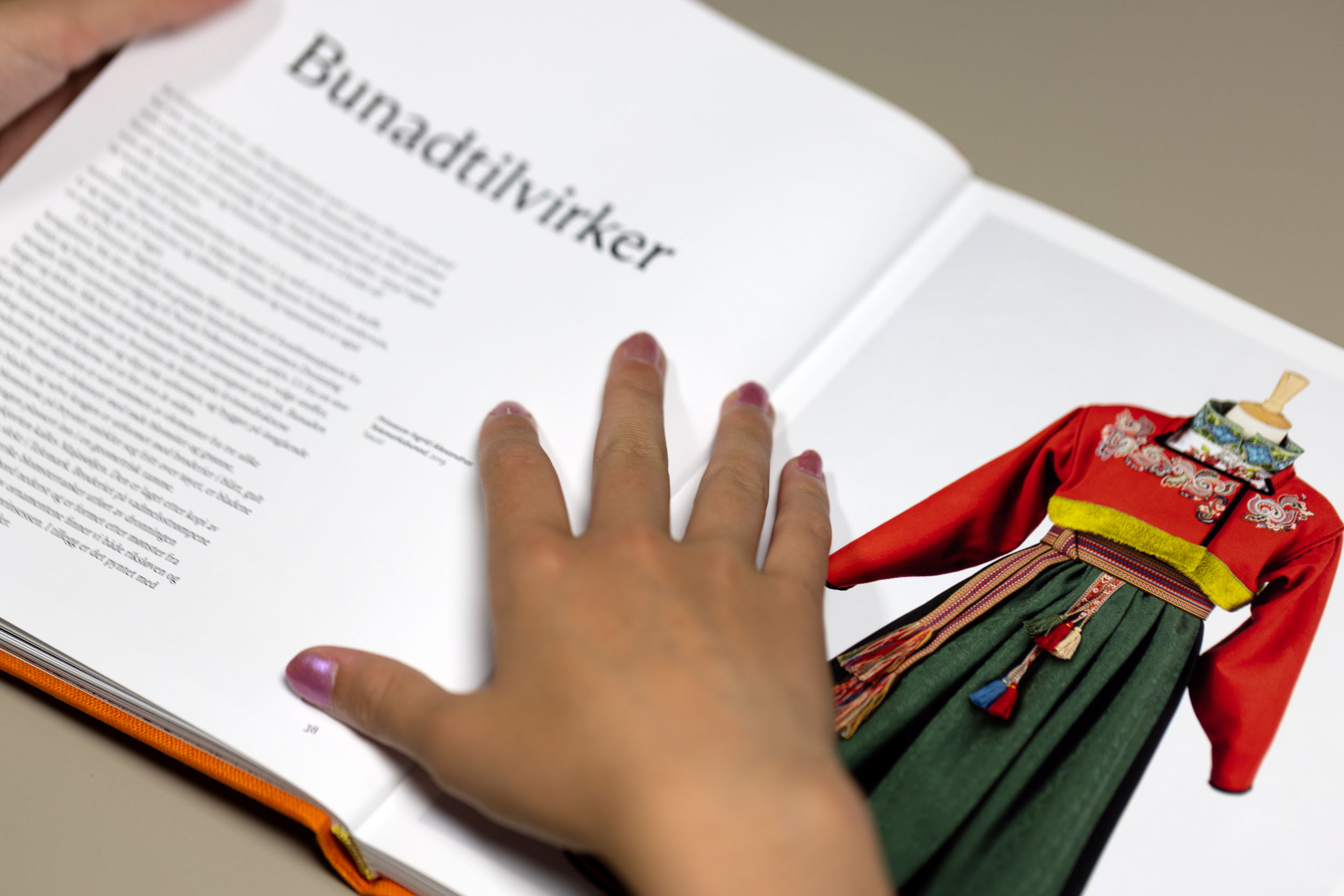
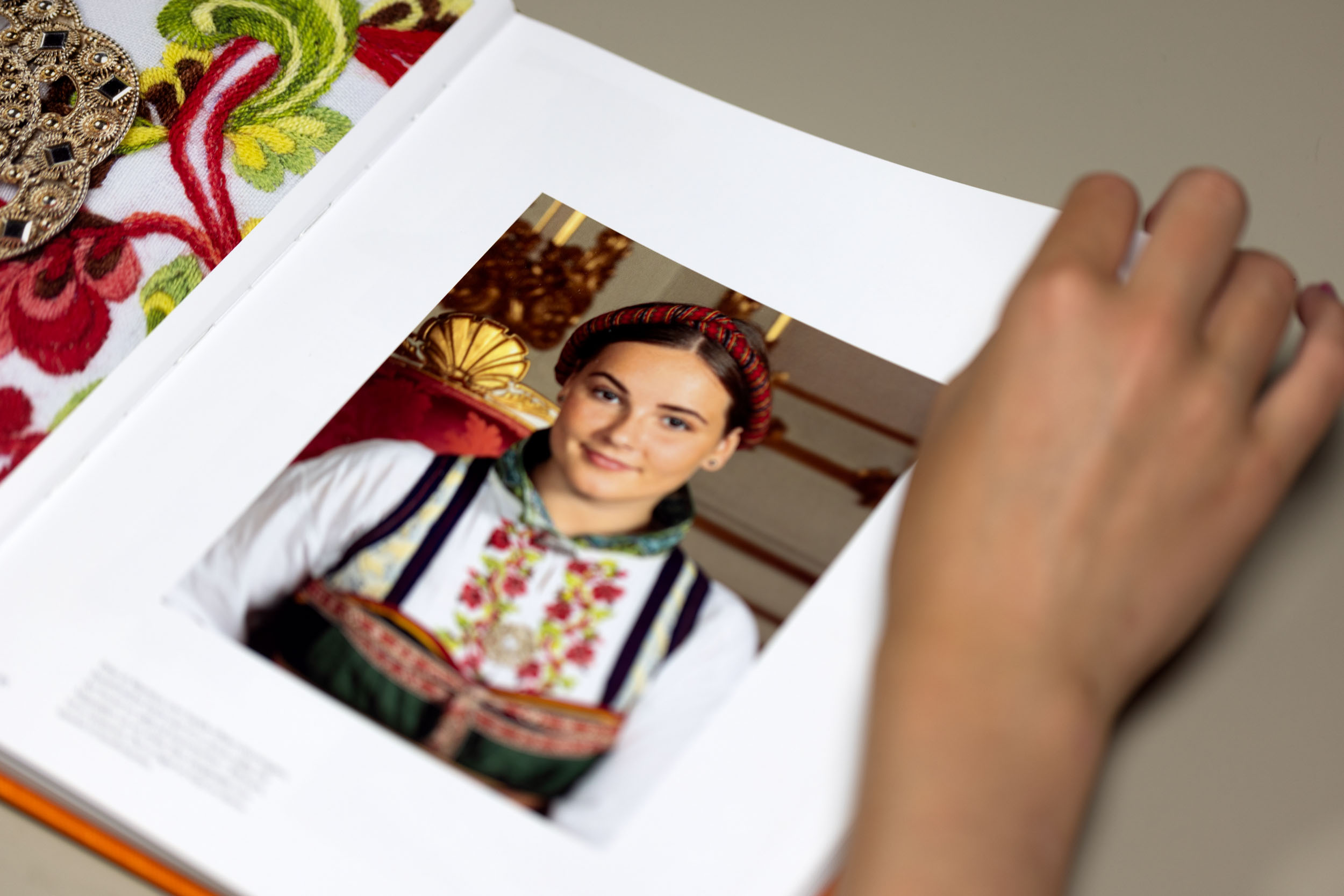
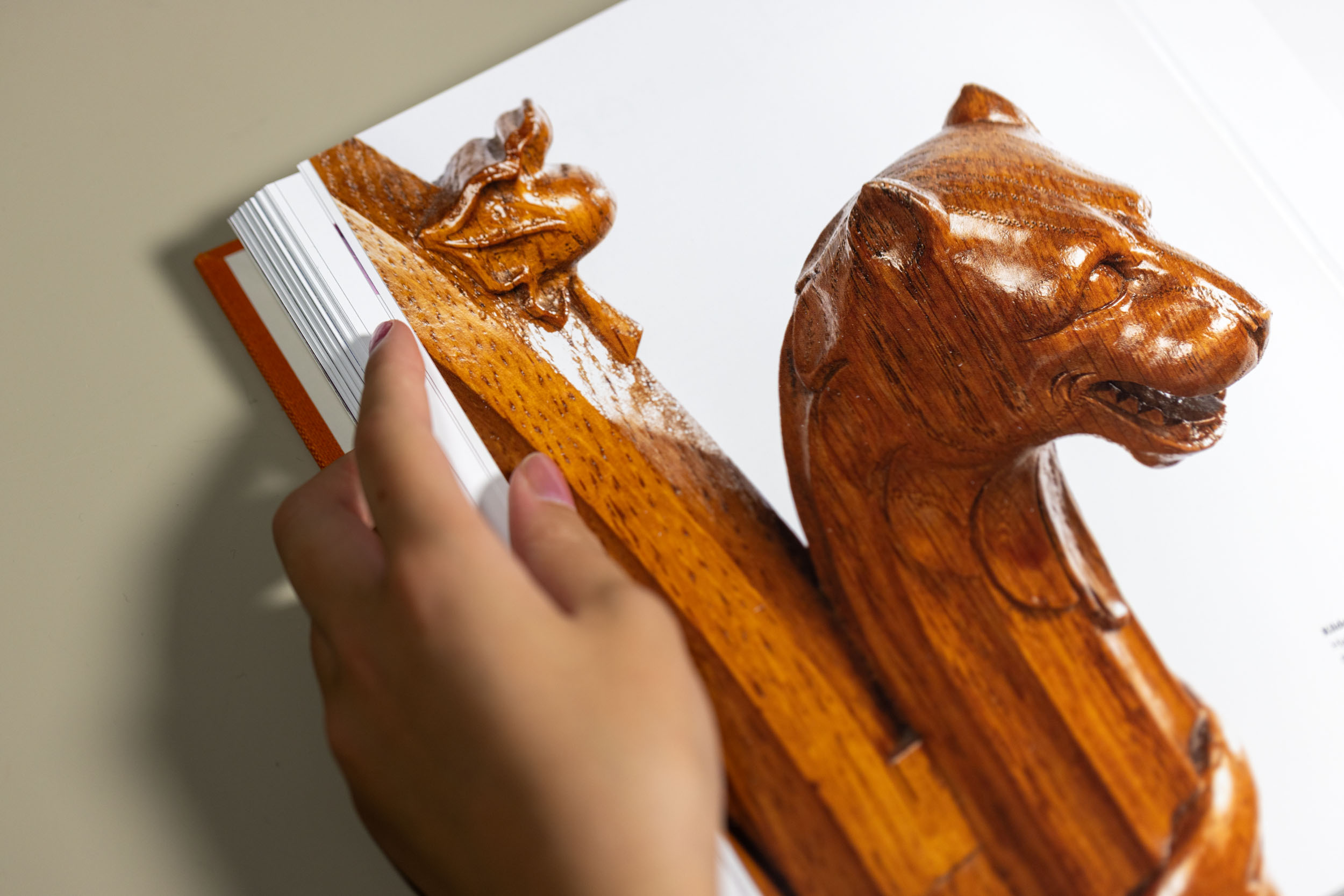
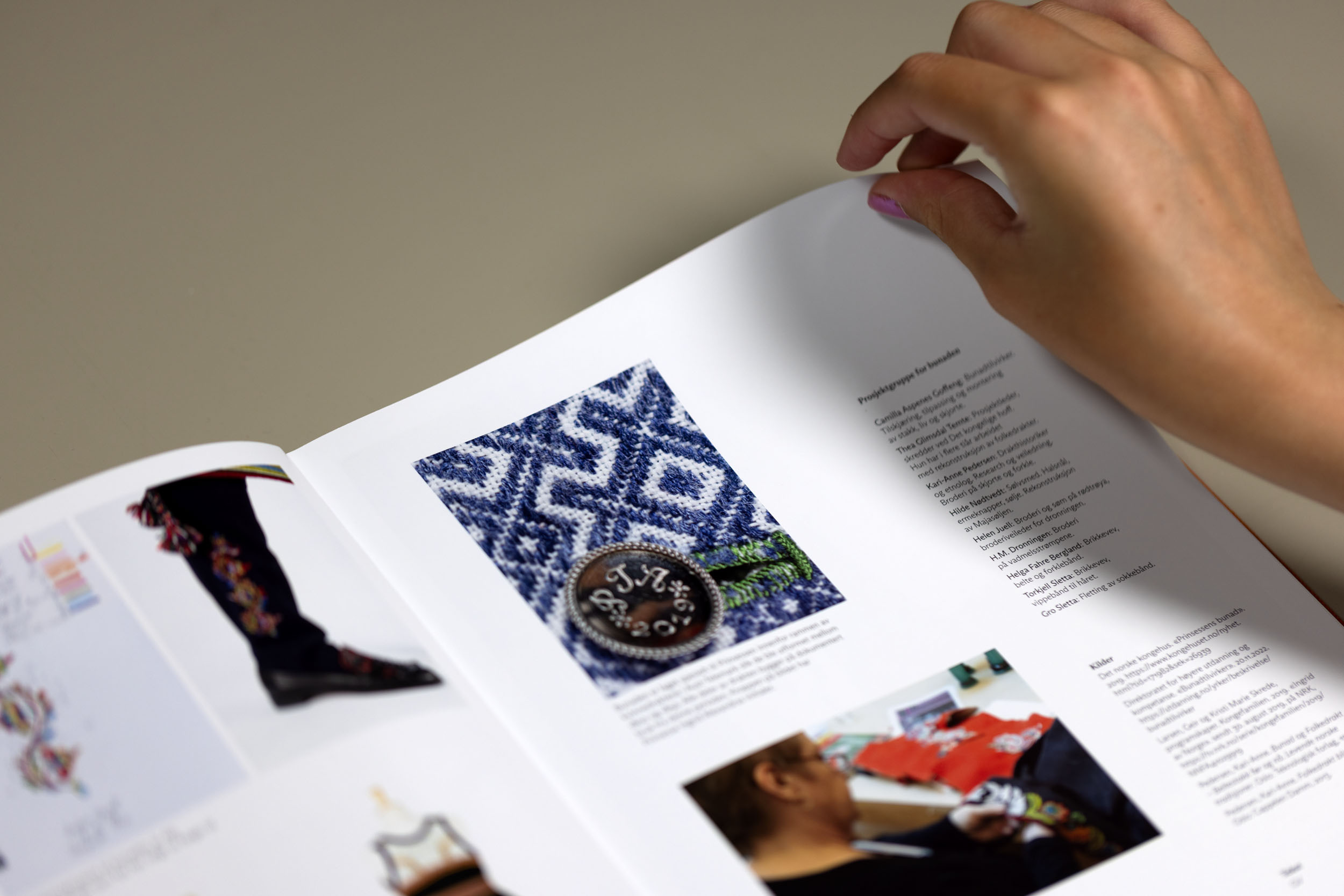
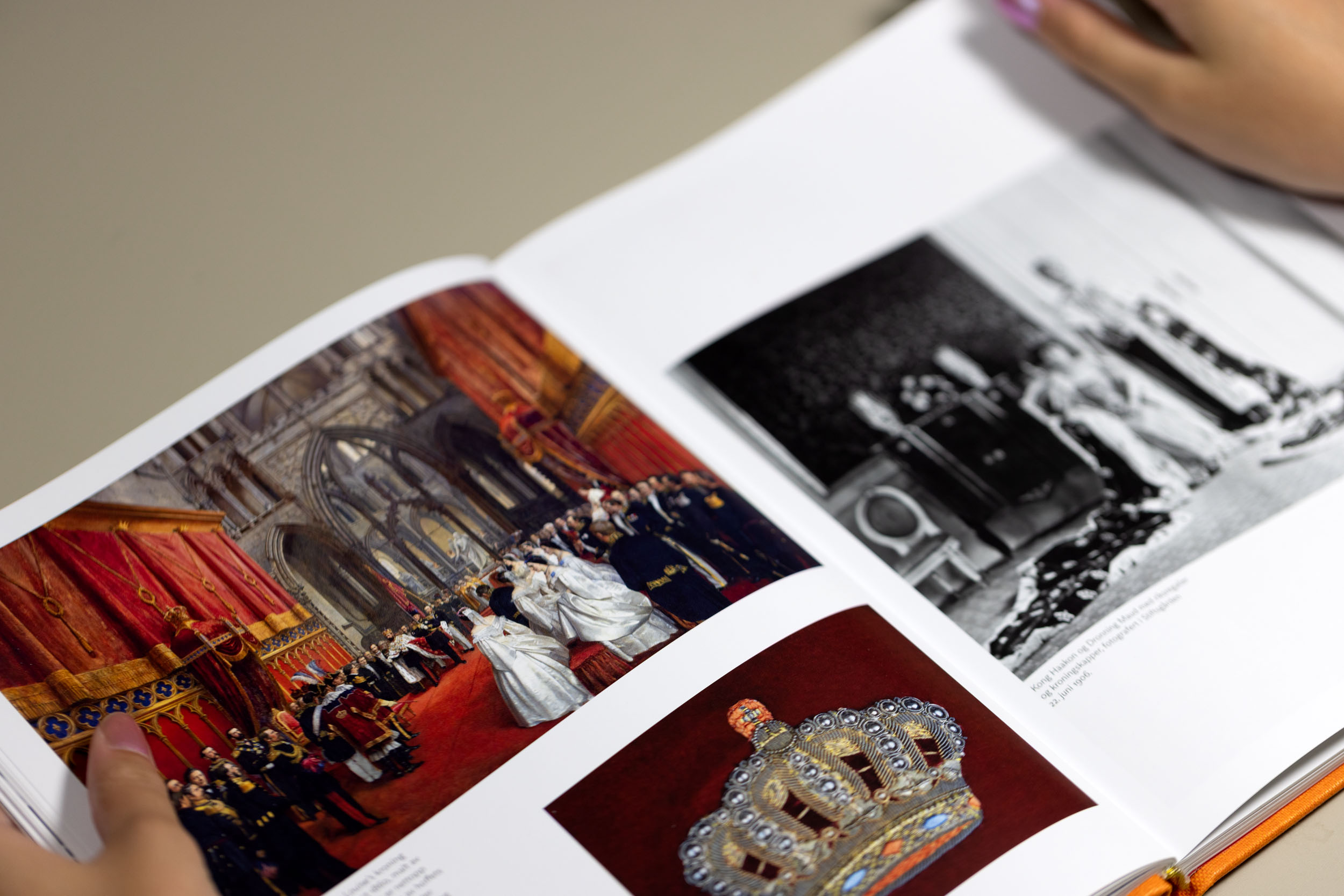
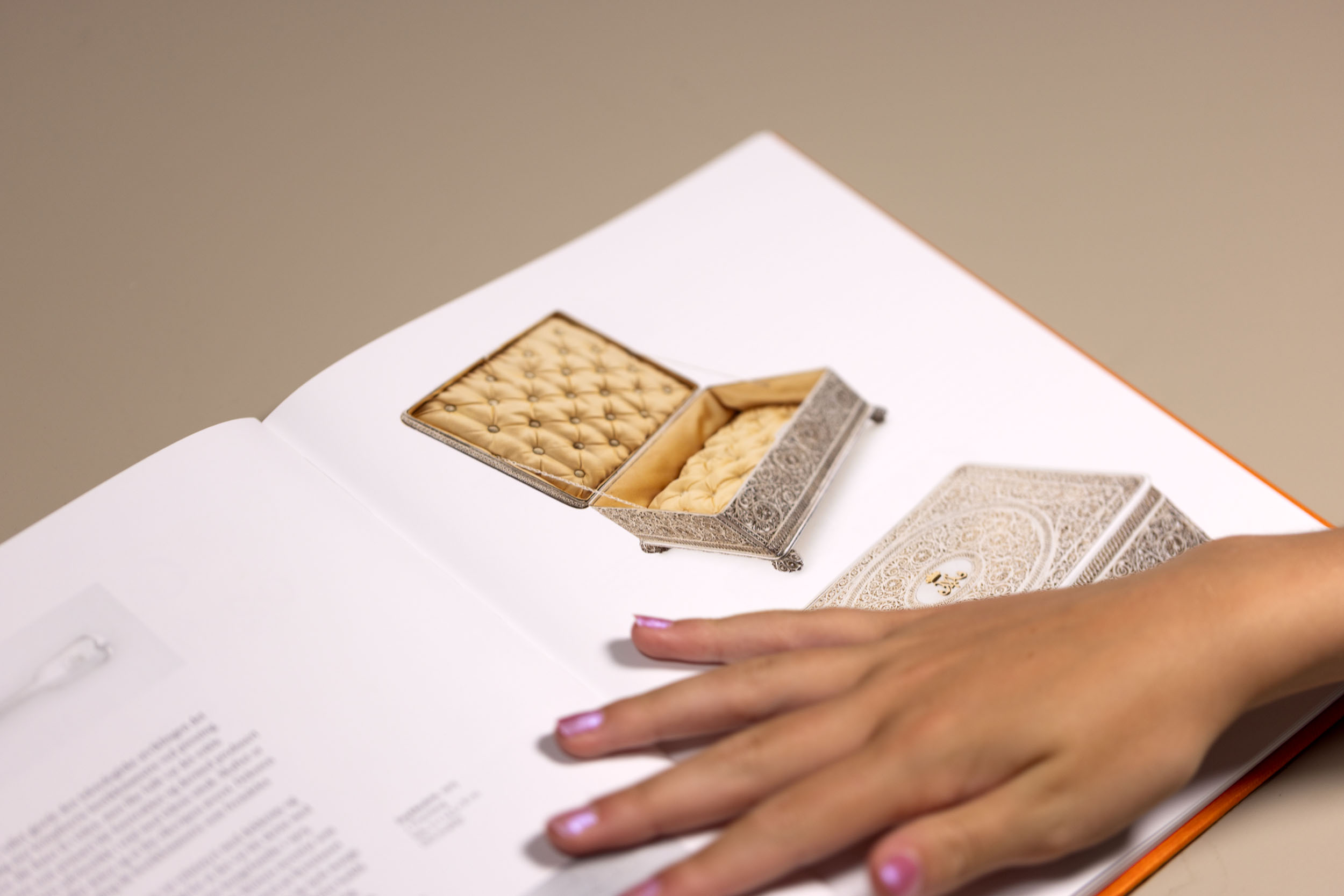
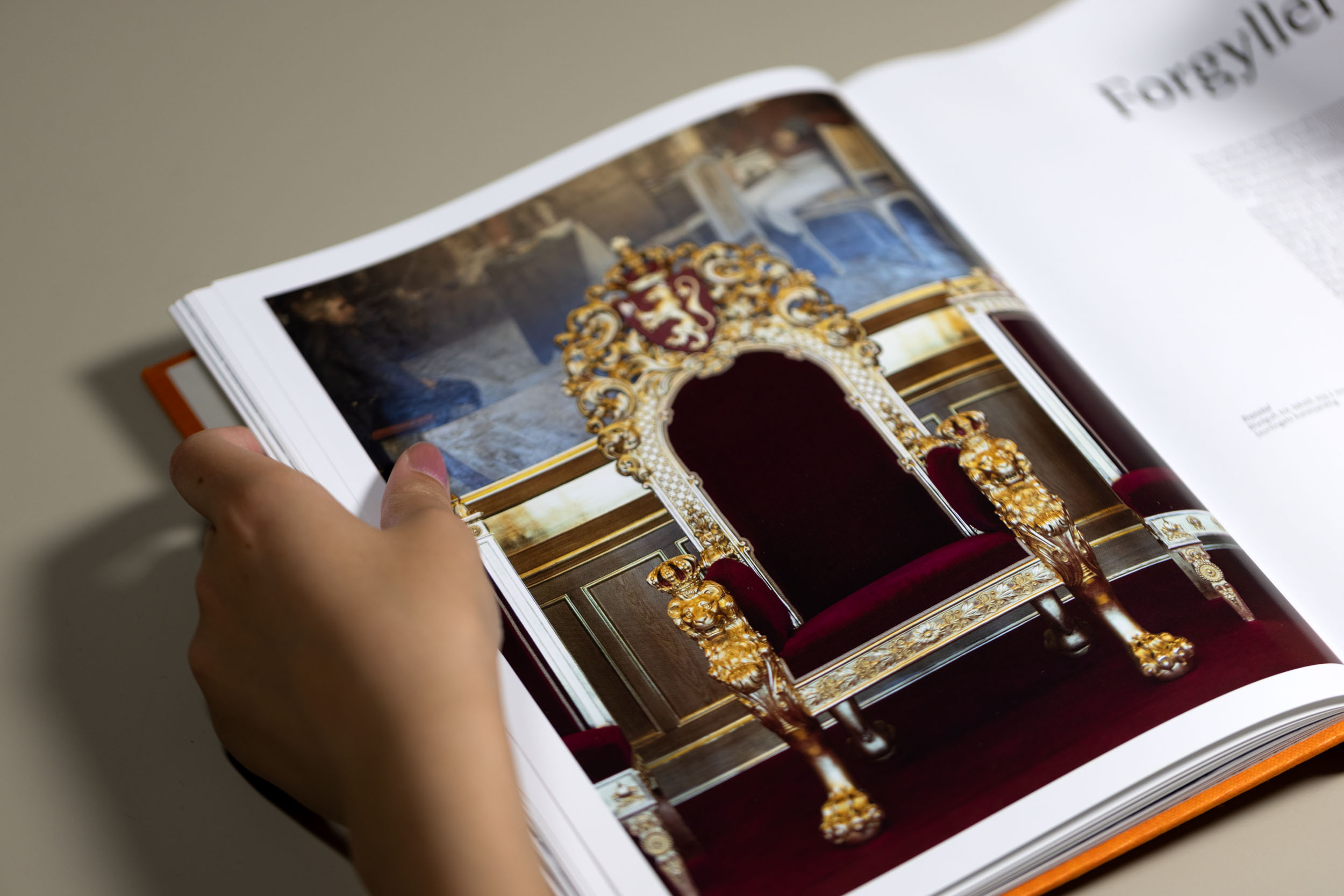
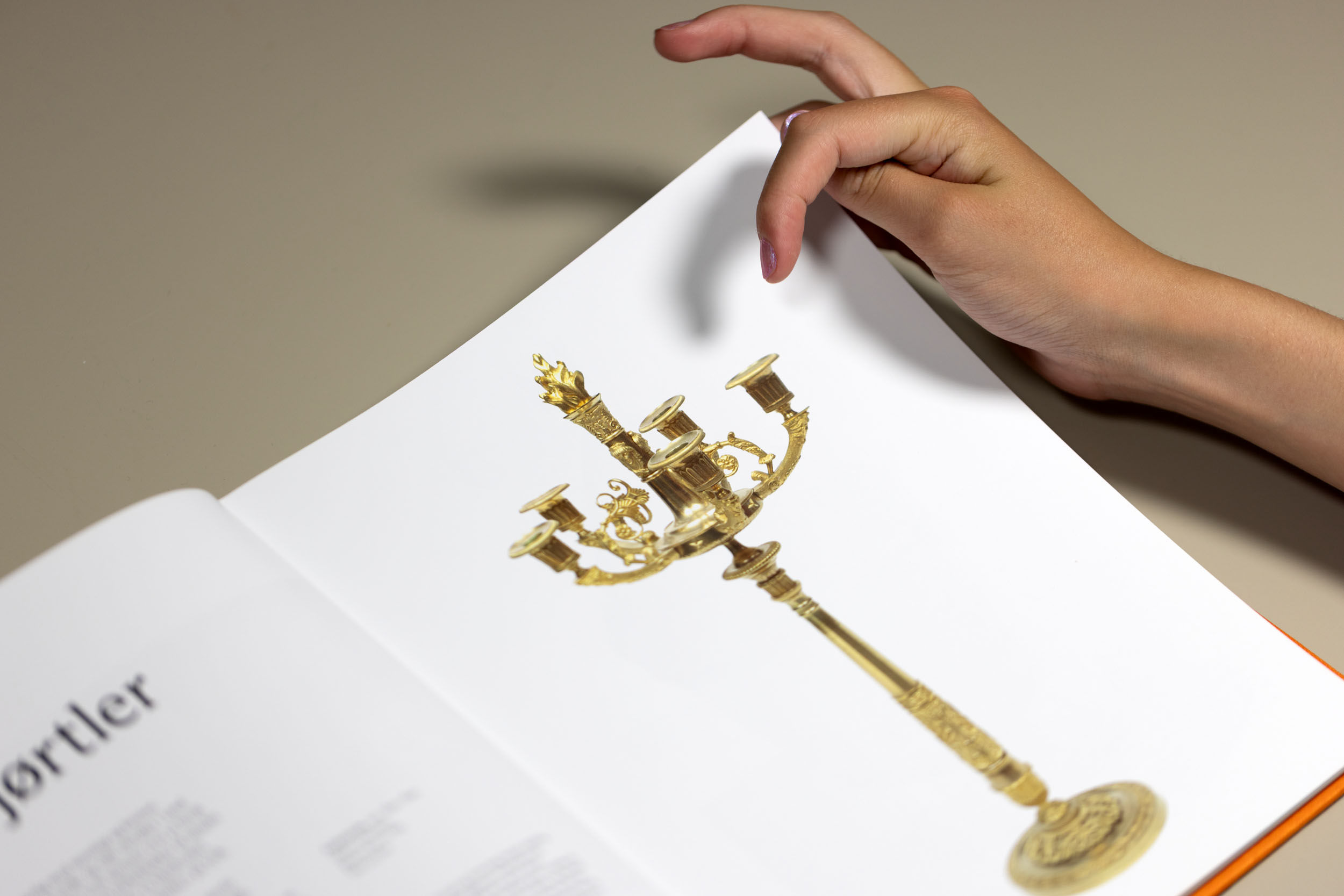
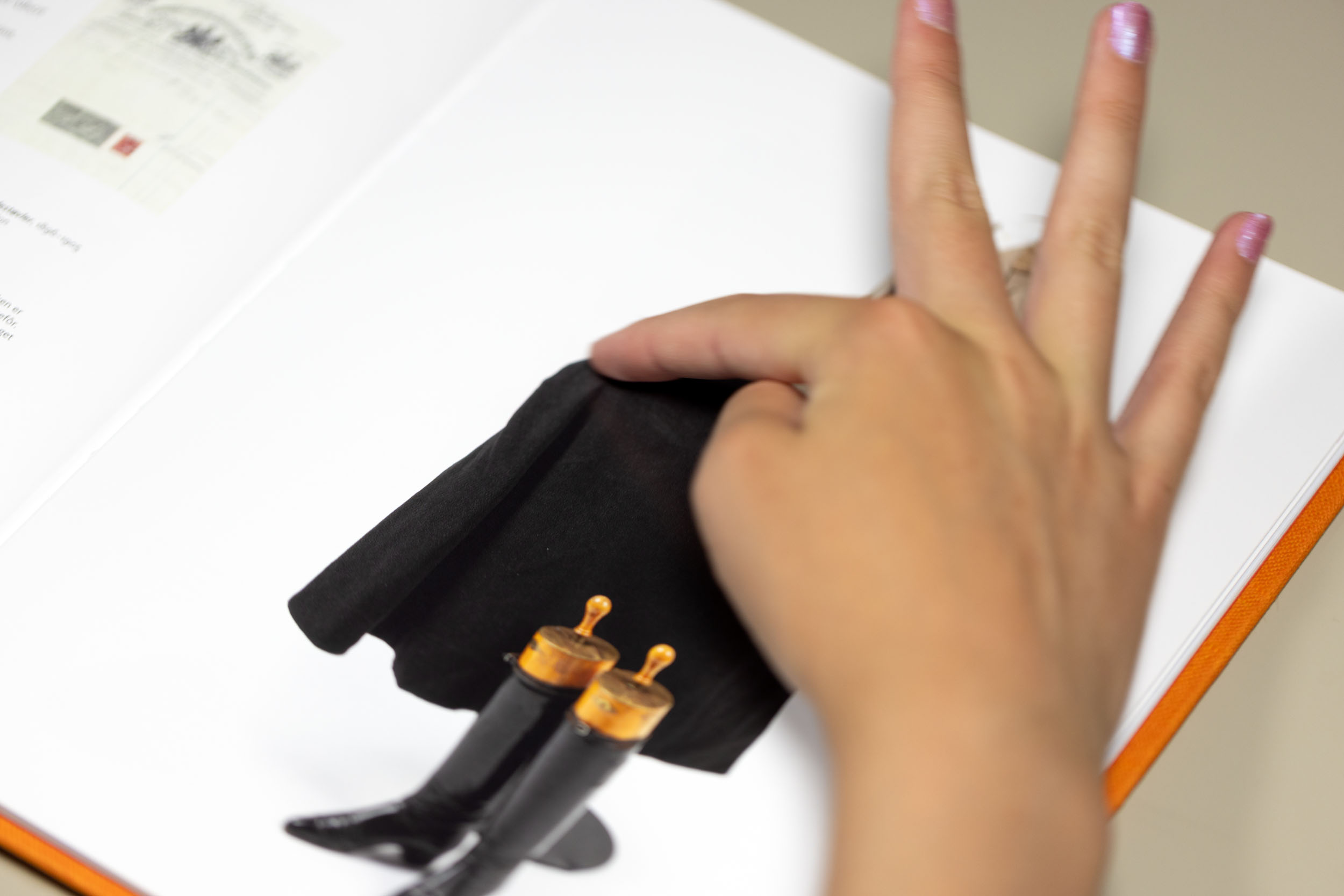
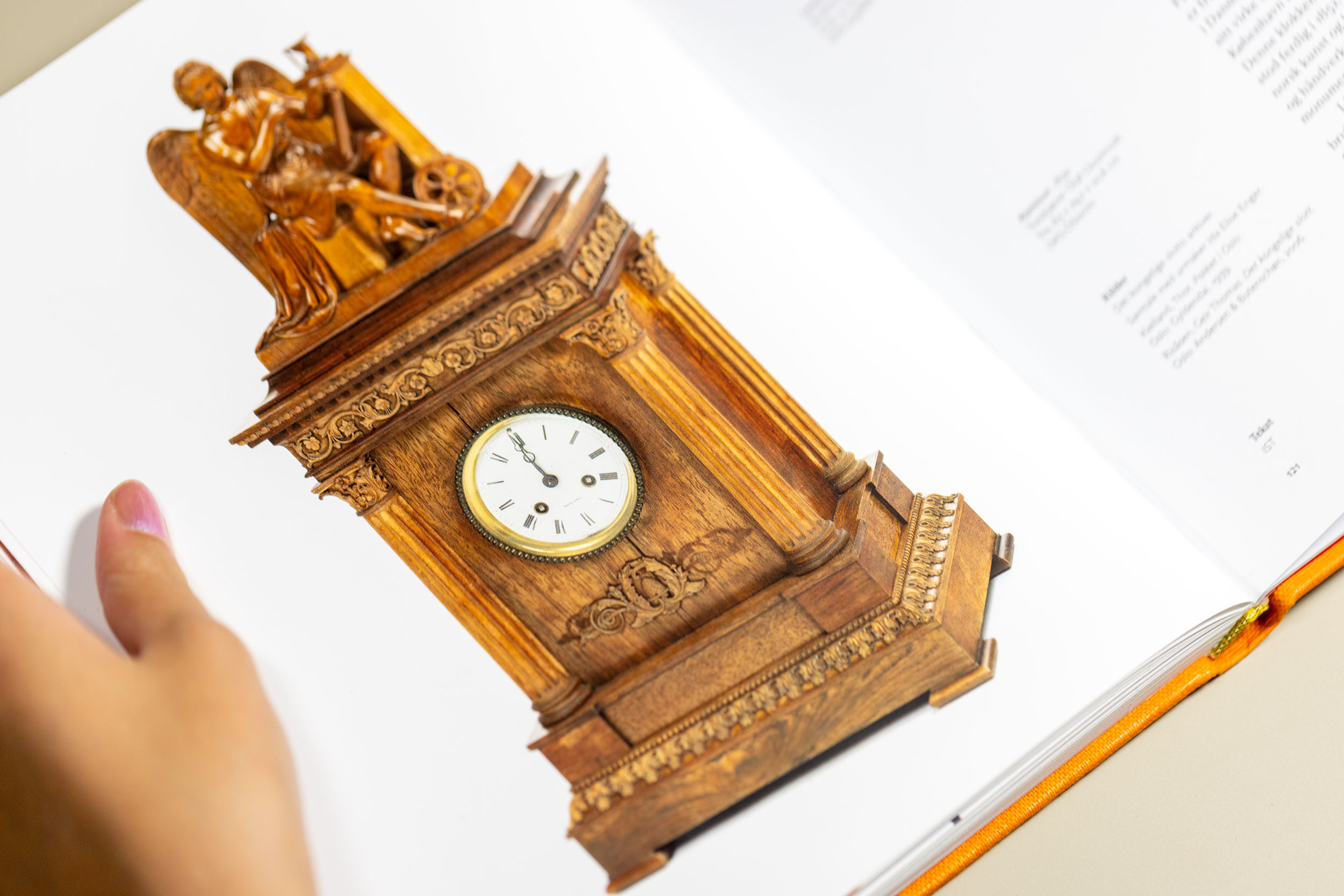
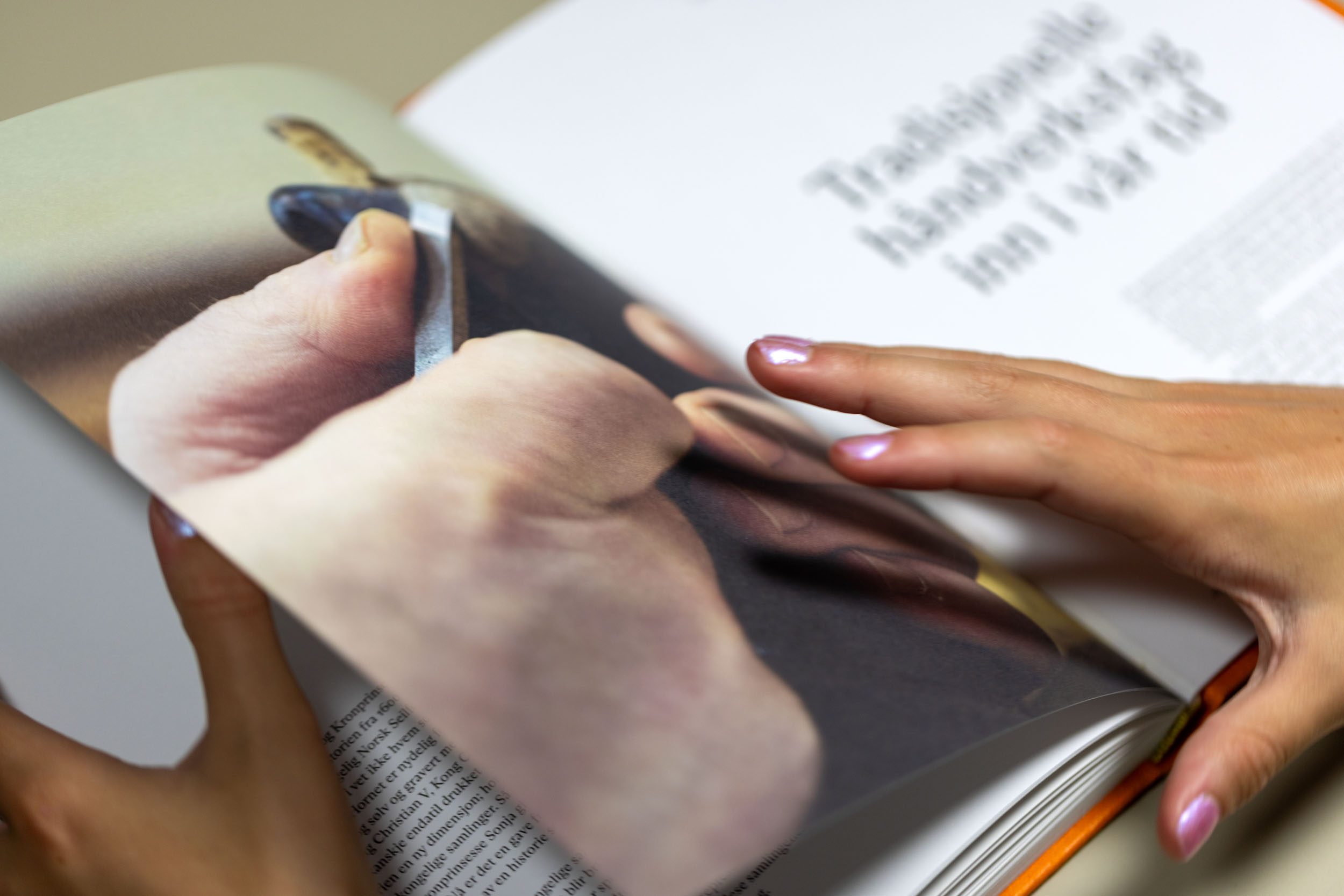
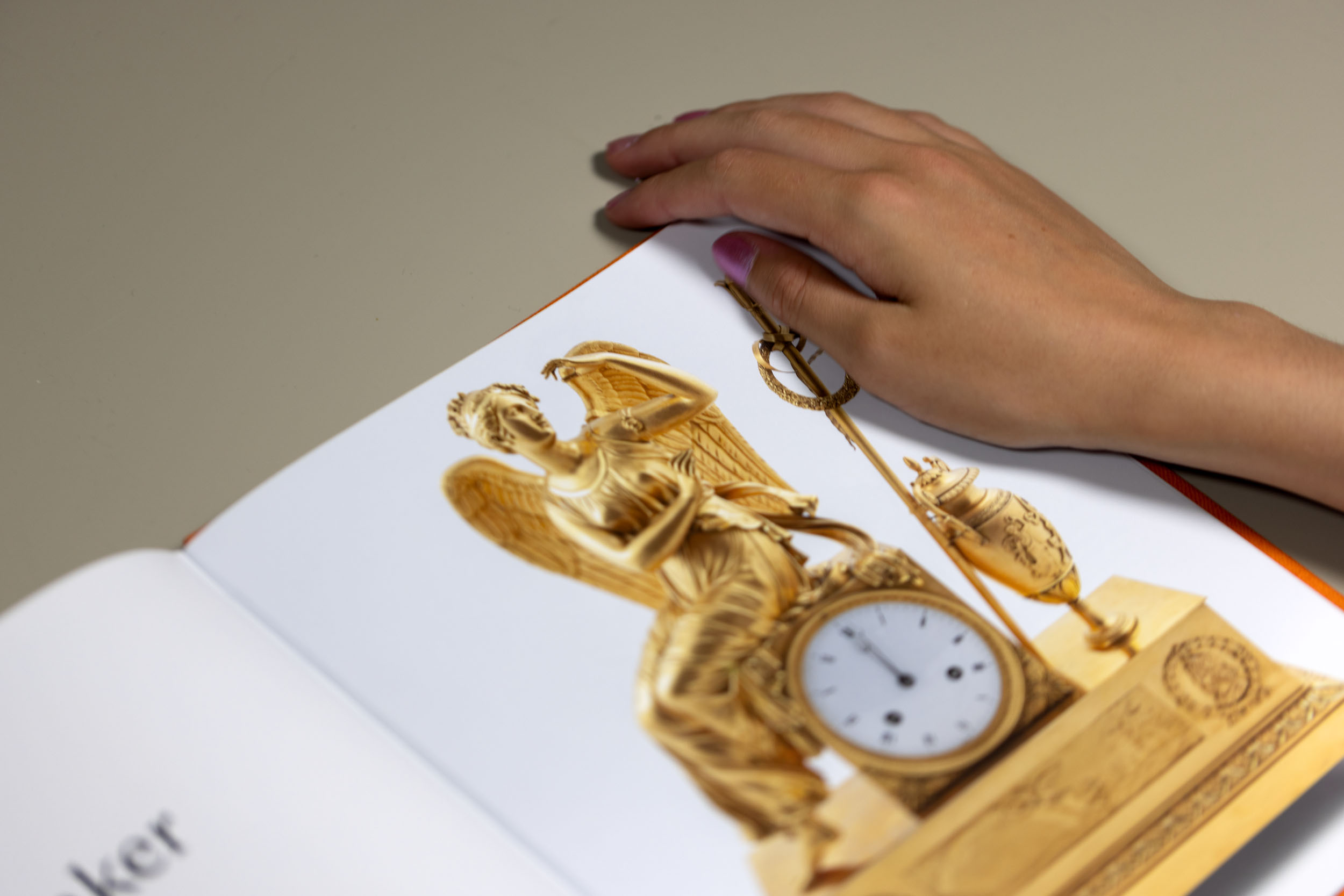
It is in our nature to use our hands to make objects that are both useful and beautiful. According to Professor of Sociology Richard Sennett, craftsmanship is an enduring, basic human impulse. This is visible from a young age – how children make fantasy figures out of modelling clay or entire worlds in sand on the beach or out of snow in the winter.The exhibition Craftsmanship at the Royal Palace – 200 years of creations highlights selected heritage crafts and tells how the objects at the Royal Palace were created and how they are still used and preserved to this very day. The exhibition includes such objects as the ermine robe first used during the coronation of Queen Louise in 1860, Queen Maud’s riding boots and saddle from the turn of the century, Crown Prince Olav and Crown Princess Märtha’s Buick from 1939, King Harald and Queen Sonja’s Sami knives from the consecration tour in 1991–92, Crown Princess Mette-Marit’s 1960s handwoven dress and Princess Ingrid Alexandra’s bunad (Norwegian national costume) from 2019. Also on display is the richly gilded throne that Stortinget (Norwegian Parliament) has generously provided on loan to the exhibition.
The exhibition explores craftsmanship from the perspective of a trade, necessity, usefulness, beauty and tradition as communicated through objects. Our focus is on learning more about each of the crafts, the materials used and how hands, head and heart create unique objects for different uses. We have seen how the objects are created and who has created them. Was the object created for a special occasion or person? Did it have special significance? This work has been challenging at times, as not all of the objects have a known history. We have sought assistance from experts in the various crafts, who have provided us with valuable and new knowledge about the numerous objects on display at the exhibition. We wish to extend a sincere thank you to everyone who has helped us on our journey!
(From the catalogue introduction)
Published for the exhibition
Craftmanship at the Royal Palace – 200 years of creations
29 January–17 September 2023
Queen Sonja Art Stable
The design project includes a main catalogue with softcover, a limited edition (30) with hardcover with unique binding material on every copy as well as promotional material and ads.
The Royal Collections
The Royal Court
© Det kongelige hoff/The Royal Court 2023
ISBN 978-82-8106-038-8
2023
20 x 25 cm
136 pages
Language: Norwegian/English
Curators of the exhibition and editors of the catalogue:
Silje Nome Schiander
Sandra Lorentzen
Texts by:
H.M. Queen Sonja
Gunhild Varvin, GV
Eivind Falk, Norsk håndverksinstitutt
Sandra Lorentzen, SL
Silje Nome Schiander, SNS
Øivind Möller Bakken, ØMB
Kaja Maria Ranveig Hjort, KH
Ingeborg Lønning, IL
Ingvar Strøm Torjuul, IST
Proofreading and translation:
Totaltekst
Design: Halvor Bodin
Repro: Halvor Bodin/Øivind Möller Bakken
Printer: TS trykk, Oslo
Bokbinder: Bokbinderiet Johnsen
Typography: ABC Arizona
Paper: MultiArt Silk, 170 g/m2,
Edixion, 150 g/m2
Paper, cover: Algro Design Advanced, 350 g/m2
Photography:
Øivind Möller Bakken,
De kongelige samlinger
Jan Haug, De kongelige samlinger
Jørgen Gomnæs
Ludwik Szacinsky de Ravics
Teigens fotoatelier
Kjartan Hauglid,
De kongelige samlinger
Berit Bjørnstad, VG
Marie Gleditsch, Oslo Museum
Sigurd Fandango
Det kongelige hoff
De kongelige samlinger
Severin Worm Pettersen
Per Løken/NTB
Lise Åserud/NTB
Peder O. Aune
Terje Heierstad/Stortinget
Mona Nordøy
NTB
Anna Riwkin, Moderna Museet
Annika Byrde/NTB
Johan Wallgren, Sörmlands museum
Anders Beer Wilse, Norsk Folkemuseum
Håkon Mosvold Larsen/NTB
Henriksen & Steen, Nasjonalbiblioteket
Johan Brun, Dagbladet
Norsk Folkemuseum
Hans Majestet Kong Haakon
Karl August Berg, Orkla Industrimuseum
Ukjent, Anno Domkirkeodden
ISBN 978-82-8106-038-8
2023
20 x 25 cm
136 pages
Language: Norwegian/English
Curators of the exhibition and editors of the catalogue:
Silje Nome Schiander
Sandra Lorentzen
Texts by:
H.M. Queen Sonja
Gunhild Varvin, GV
Eivind Falk, Norsk håndverksinstitutt
Sandra Lorentzen, SL
Silje Nome Schiander, SNS
Øivind Möller Bakken, ØMB
Kaja Maria Ranveig Hjort, KH
Ingeborg Lønning, IL
Ingvar Strøm Torjuul, IST
Proofreading and translation:
Totaltekst
Design: Halvor Bodin
Repro: Halvor Bodin/Øivind Möller Bakken
Printer: TS trykk, Oslo
Bokbinder: Bokbinderiet Johnsen
Typography: ABC Arizona
Paper: MultiArt Silk, 170 g/m2,
Edixion, 150 g/m2
Paper, cover: Algro Design Advanced, 350 g/m2
Photography:
Øivind Möller Bakken,
De kongelige samlinger
Jan Haug, De kongelige samlinger
Jørgen Gomnæs
Ludwik Szacinsky de Ravics
Teigens fotoatelier
Kjartan Hauglid,
De kongelige samlinger
Berit Bjørnstad, VG
Marie Gleditsch, Oslo Museum
Sigurd Fandango
Det kongelige hoff
De kongelige samlinger
Severin Worm Pettersen
Per Løken/NTB
Lise Åserud/NTB
Peder O. Aune
Terje Heierstad/Stortinget
Mona Nordøy
NTB
Anna Riwkin, Moderna Museet
Annika Byrde/NTB
Johan Wallgren, Sörmlands museum
Anders Beer Wilse, Norsk Folkemuseum
Håkon Mosvold Larsen/NTB
Henriksen & Steen, Nasjonalbiblioteket
Johan Brun, Dagbladet
Norsk Folkemuseum
Hans Majestet Kong Haakon
Karl August Berg, Orkla Industrimuseum
Ukjent, Anno Domkirkeodden
















Documentation photography by Halvor Bodin